
The Complete Guide to CO2 Drop Checkers: How to Use
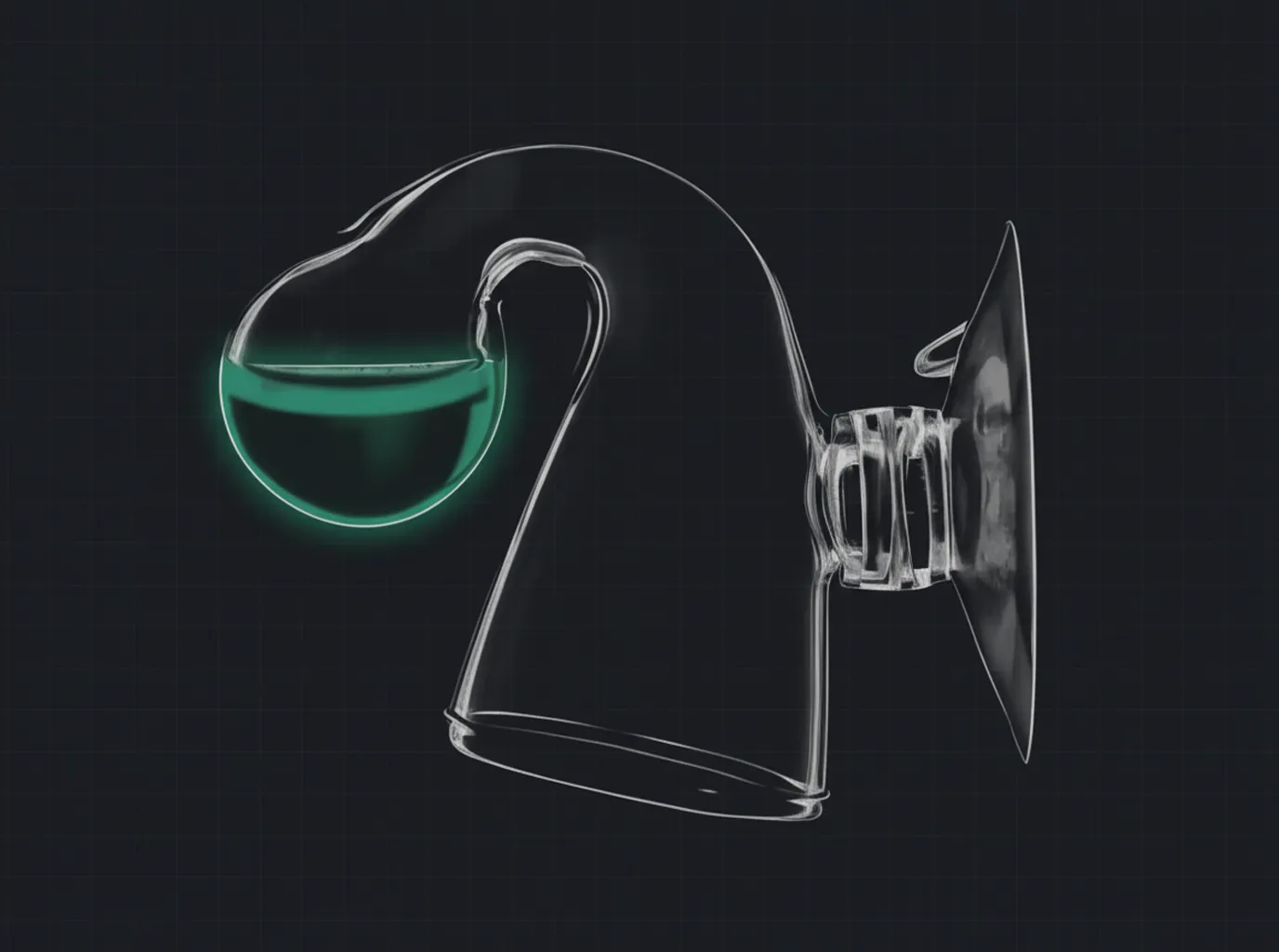
The single unifying system model governing this problem
Your planted aquarium is a carbon stability system. Plant growth depends on consistent dissolved CO2, and livestock safety depends on that concentration staying within tolerance limits. A CO2 drop checker exists to monitor one constraint: whether dissolved CO2 is sitting inside the safe and productive stability envelope.
When aquarists misuse drop checkers, they are not misreading a gadget. They are misinterpreting the carbon equilibrium bottleneck. The drop checker reflects dissolved CO2 indirectly through pH change in a reference solution. If equilibrium is unstable, the color signal lags or misleads.
Everything in this guide maps back to that core model: the drop checker is a delayed indicator of carbon stability within a buffered system.
Quick Summary (Beginner)
A CO2 drop checker measures dissolved CO2 indirectly by using a known KH reference solution and a pH indicator. When CO2 diffuses into the checker, it changes the color of the solution.
In most high tech planted tanks, a green drop checker indicates roughly 30 ppm CO2. Blue suggests too little. Yellow suggests too much.
This explains why the drop checker does not change instantly when you adjust your bubble rate. It reflects equilibrium, not injection speed.
The goal is not chasing a specific shade. The goal is stable dissolved CO2 during peak plant demand without stressing fish.
What a Drop Checker Is Actually Measuring
If you look closely at a drop checker during the day, you see a small glass bulb with colored liquid. It feels simple.
But what it is really doing is isolating a small body of reference solution with a fixed carbonate hardness, typically 4 dKH. That solution contains a pH indicator such as bromothymol blue.
CO2 from the tank diffuses across the air gap into the solution. As CO2 dissolves, it forms carbonic acid and lowers pH inside that isolated chamber. The indicator shifts color accordingly.
In practice, this means the drop checker is not measuring tank water directly. It is measuring how much CO2 diffuses into a controlled mini system.
This is why the device works only if the reference solution is correct.
Reconnect to the model: the drop checker estimates whether dissolved CO2 in the tank sits within the carbon stability envelope.
Why the Reference Solution Matters
In most tanks, problems begin when aquarists fill the drop checker with tank water instead of calibrated 4 dKH solution.
Tank water KH varies. If you use tank water, the color shift corresponds to an unknown relationship between pH and CO2 concentration.
You will often notice inconsistent readings between tanks when reference solution is incorrect.
This explains why commercially prepared 4 dKH solution improves accuracy. The chemistry assumes a fixed buffer level so pH drop correlates with CO2 concentration.
Reconnect again: without controlled buffering inside the drop checker, the carbon signal becomes unreliable.
Why the Drop Checker Changes Slowly
When this starts appearing, many aquarists become frustrated. They increase bubble rate and wait for immediate color change.
The drop checker responds slowly because CO2 must diffuse into the air gap, dissolve into the reference solution, and reach equilibrium. That process can take one to two hours.
In practice, this delay prevents real time feedback.
This is why sudden injection adjustments cannot be judged instantly by color.
Reconnect to the model: the drop checker reflects equilibrium stability, not immediate gas injection changes.
Interpreting Drop Checker Colors Correctly
In most high tech planted tanks, the typical interpretation is straightforward.
Blue indicates low dissolved CO2 relative to plant demand. Green indicates productive levels. Yellow suggests excessive concentration that may stress livestock.
However, the shade of green matters less than stability.
You will often notice fish behaving normally at stable light green levels but showing stress if the solution oscillates between blue and yellow daily.
This explains why consistency outranks chasing a perfect hue.
Reconnect again: the drop checker is a stability signal, not a precision meter.
Common Misinterpretations
When aquarists rely solely on drop checker color without context, errors follow.
One common mistake is increasing CO2 aggressively until the checker turns bright green quickly. Because of the delay, by the time it shifts color, dissolved CO2 may already be high.
Another mistake is placing the checker directly above the diffuser. Local CO2 concentration is higher there than in the rest of the tank.
In practice, placing the drop checker in an area of moderate flow away from direct injection provides a better average reading.
This explains why location affects perceived CO2 levels.
Reconnect to the model: distribution and equilibrium define the carbon stability envelope, not just injection rate.
How To Diagnose CO2 Stability Using a Drop Checker
When plant growth is inconsistent, use the drop checker as part of a broader assessment.
First, measure degassed tank pH before CO2 injection begins. Then measure pH during peak photoperiod. Compare that drop with drop checker color.
In most tanks, a 1.0 pH drop relative to baseline corresponds roughly to productive CO2 levels when KH is moderate.
You will often notice that tanks with stable green drop checkers show even growth across plant groups.
This is usually the point when aquarists realize that timing matters. CO2 should reach target levels before lights reach full intensity.
Reconnect again: the drop checker confirms whether carbon demand is being met consistently.
Balancing Plant Demand and Fish Safety
CO2 optimization always lives between two boundaries.
On one side, insufficient carbon limits growth and encourages algae. On the other, excessive or unstable carbon stresses fish and shrimp.
In most tanks, fish tolerate stable 30 ppm CO2 well. They struggle with rapid increases or uneven distribution.
You will often notice that livestock stress appears early in the day if CO2 ramps too quickly.
This explains why gradual ramp up using a needle valve and solenoid timing is critical.
Reconnect to the model: the drop checker helps ensure CO2 stays within both plant demand and fish tolerance limits.
Placement Strategy for Reliable Readings
In planted tanks with strong flow, positioning affects interpretation.
Place the drop checker opposite the diffuser or in a mid tank location with steady circulation. Avoid stagnant corners and avoid placing it directly in the mist cloud.
In practice, observing color consistency across several days provides better insight than hourly checking.
Almost always, short term fluctuation matters less than daily stability pattern.
This reinforces the thesis: carbon stability over time determines success.
Maintenance and Calibration
Over time, algae or residue can form inside the glass chamber. That slightly alters color perception.
Replace reference solution every few weeks. Clean the glass gently to preserve clarity.
You will often notice improved readability after maintenance.
This explains why some aquarists believe their CO2 shifted when the issue was simply degraded solution quality.
Reconnect again: the drop checker is a tool to monitor stability, and tools require maintenance.
System Interactions
The drop checker does not exist in isolation. It interacts with every subsystem influenced by carbon.
Light
Higher light increases plant carbon demand. Under intense light, a blue drop checker often coincides with algae pressure.
Nutrients
Adequate nutrients without carbon availability lead to imbalance. Carbon limitation appears as stalled growth despite fertilization.
KH and Buffering
KH determines how much pH drops per unit CO2. Stable KH makes drop checker interpretation more reliable.
Flow
Distribution determines whether the color represents tank average or local condition.
Oxygen
Surface agitation reduces CO2 but improves oxygen. Balance between these determines livestock comfort.
Reconnect once more: the drop checker reads carbon equilibrium within a buffered, flowing system.
Advanced: Chemistry Behind the Indicator
Bromothymol blue shifts color depending on pH range. In a 4 dKH solution, specific pH values correlate with approximate dissolved CO2 levels due to predictable carbonate equilibrium.
CO2 dissolves into water forming carbonic acid. Carbonic acid dissociates into bicarbonate and hydrogen ions. Increased hydrogen lowers pH. The indicator reflects that change.
Because the reference solution is isolated, KH remains fixed. That is why pH shift corresponds to approximate ppm values.
This explains why mixing tank water invalidates the assumption.
Advanced: System Stability Analysis
Think of drop checker interpretation in three layers.
Layer 1: Correct 4 dKH reference solution.
Layer 2: Proper placement representing average flow conditions.
Layer 3: Stable injection timing relative to photoperiod.
If any layer fails, color interpretation becomes misleading.
In most tanks, algae issues trace back not to total CO2 absence but to inconsistent carbon supply across days.
This explains why long term success correlates with stable green readings sustained daily rather than fluctuating signals.
The drop checker does not tell you how much CO2 you inject. It tells you whether dissolved carbon sits inside the growth stability envelope.
Common Myths
A yellow drop checker is not automatically dangerous. Context and fish behavior matter.
A green drop checker does not guarantee even distribution.
Blue does not always mean zero CO2. It means insufficient equilibrium concentration relative to reference solution.
Drop checkers are not instant feedback devices.
FAQ
How long does a drop checker take to respond. Typically one to two hours due to diffusion equilibrium.
Can I trust a drop checker fully. It is a guidance tool. Combine it with pH measurement and livestock observation.
Why is my drop checker green but plants still struggle. Distribution or light intensity mismatch may be the bottleneck.
Should I move it around the tank. Occasional repositioning helps evaluate distribution consistency.
Does temperature affect readings. Minorly, but KH consistency is the primary factor.
Related Guides
CO2 Diffusers Guide
How Much CO2 Do I Need
How To Lower pH Safely
High Light vs Low Light Systems
Why Fish Gasp at Surface
Clean URL suggestion: /freshwater/co2/co2-drop-checker-guide