
Water Parameters for Planted Tanks: Beginner's Guide
Quick Summary (For Beginners)
Water parameters sound complicated, but most planted tanks thrive across a wide range.
You don't need perfect chemistry. You need stable, safe conditions.
What you need to know:
- Plants and fish are more adaptable than you think
- Stability matters more than hitting exact numbers
- You need to test ammonia, nitrite, and nitrate (the nitrogen cycle)
- pH, GH, and KH matter less for most setups (unless extreme)
- Most tap water works fine for planted tanks
What to do immediately:
- Get a basic test kit (API Master Test Kit covers essentials)
- Test your tap water to establish a baseline
- Monitor ammonia, nitrite, nitrate during first 6-8 weeks (cycling period)
- Once cycled, test weekly for first few months
- Don't chase perfect numbers — chase stability
When not to worry:
- Your pH isn't exactly 7.0 (plants thrive in 6.0-8.0)
- Your GH is a bit high or low (unless extreme)
- Parameters fluctuate slightly week-to-week (minor variation is normal)
- You can't remember all the chemistry (you don't need to)
This guide will teach you which parameters matter most, how to test them, what levels to aim for, and how they affect your plants and fish.
The Essential Parameters (Priority List)
Not all parameters are equally important. Here's what to focus on:
Priority 1: The Nitrogen Cycle (Critical for Fish Safety)
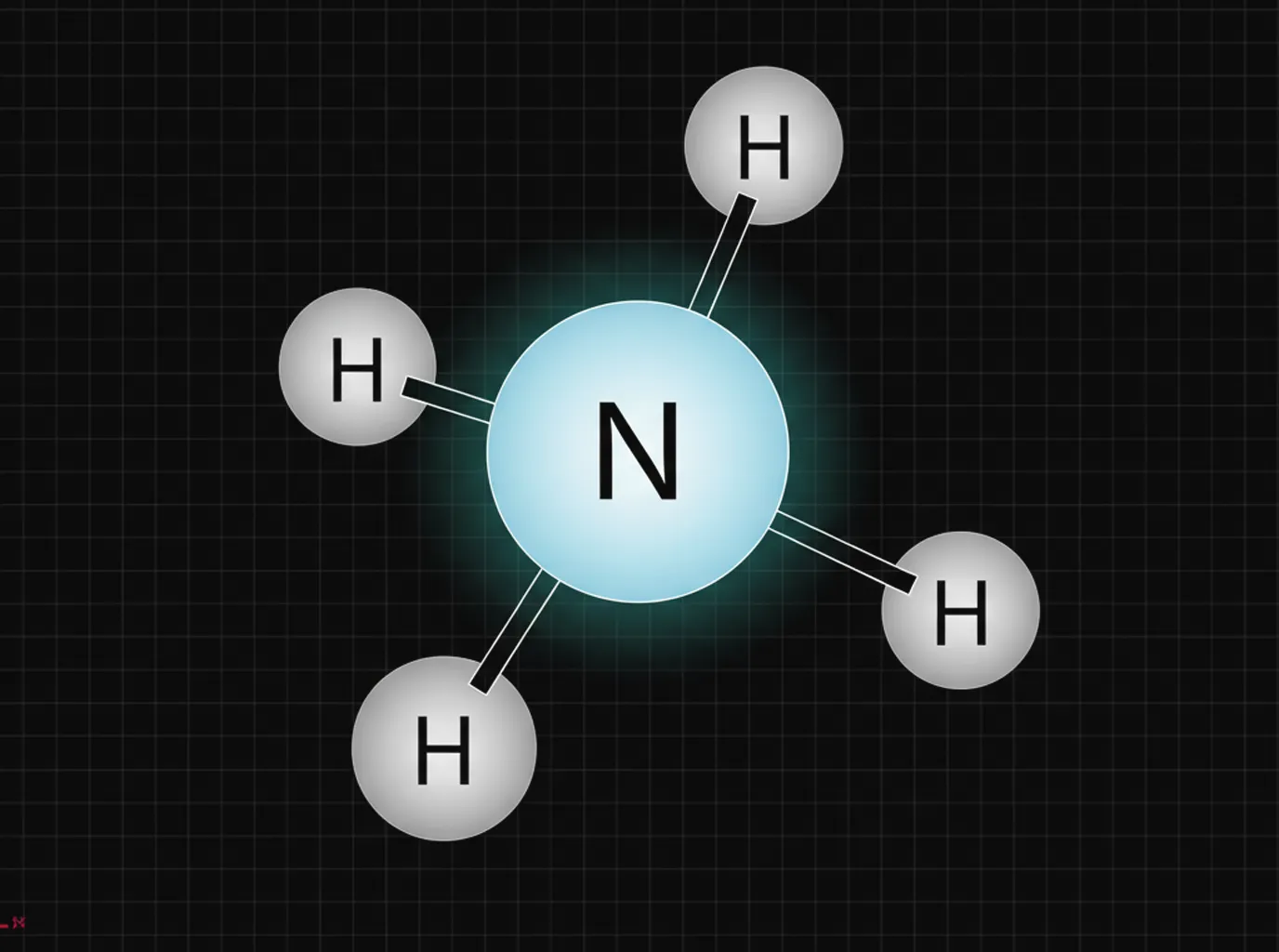
- Ammonia (NH₃/NH₄⁺) — Toxic to fish, must be 0 ppm
- Nitrite (NO₂⁻) — Toxic to fish, must be 0 ppm
- Nitrate (NO₃⁻) — Safe at moderate levels, needed by plants
Why it matters: These three determine if your tank is safe for fish. This is the #1 priority.
Priority 2: Nutrients (Important for Plant Health)
- Nitrate (NO₃⁻) — Primary nitrogen source for plants (5-20 ppm ideal)
- Phosphate (PO₄³⁻) — Essential plant nutrient (1-2 ppm ideal)
- Iron (Fe) — Needed for chlorophyll, harder to test at home
Why it matters: These fuel plant growth. Without them, plants starve.
Priority 3: Water Chemistry (Usually Fine, But Good to Know)
- pH — Acidity/alkalinity (6.0-8.0 works for most setups)
- GH (General Hardness) — Mineral content (3-10 dGH is typical)
- KH (Carbonate Hardness) — pH buffering capacity (2-8 dKH is typical)
Why it matters: Affects long-term stability and specific species requirements, but most tap water is acceptable.
Parameters You Can Usually Ignore (As a Beginner)
- TDS (Total Dissolved Solids)
- Calcium and Magnesium individually
- Potassium (unless diagnosing deficiencies)
- Micronutrients (iron, manganese, etc. — trust your fertilizer)
Understanding the Nitrogen Cycle
This is the single most important concept for any aquarium.
What Is the Nitrogen Cycle?
Fish produce waste (ammonia) → Bacteria convert it to nitrite → Bacteria convert nitrite to nitrate → Plants use nitrate or you remove it via water changes.
The full process:
- Fish eat and produce waste → Ammonia (NH₃) released
- Beneficial bacteria (Nitrosomonas) colonize filter and substrate → Convert ammonia to nitrite (NO₂⁻)
- Beneficial bacteria (Nitrobacter) colonize → Convert nitrite to nitrate (NO₃⁻)
- Plants absorb nitrate or you export it through water changes
Why This Matters
Ammonia and nitrite are toxic. Even low levels (0.25-0.5 ppm) can stress or kill fish.
Nitrate is much less toxic. Plants actually need it. Levels up to 40-80 ppm are generally tolerable (though 5-20 ppm is ideal for planted tanks).
The Cycling Process (New Tanks)
When you first set up a tank, beneficial bacteria haven't colonized yet. This takes 4-8 weeks.
Week 0-2:
- Ammonia rises (no bacteria to process it yet)
- Ammonia: 2-4 ppm
- Nitrite: 0 ppm
- Nitrate: 0 ppm
Week 2-4:
- Nitrosomonas bacteria establish
- Ammonia converts to nitrite
- Ammonia: Drops toward 0 ppm
- Nitrite: Rises to 2-5 ppm
- Nitrate: Starts appearing
Week 4-8:
- Nitrobacter bacteria establish
- Nitrite converts to nitrate
- Ammonia: 0 ppm
- Nitrite: Drops toward 0 ppm
- Nitrate: Rises (10-40 ppm)
When fully cycled:
- Ammonia: 0 ppm
- Nitrite: 0 ppm
- Nitrate: 5-40 ppm (managed via water changes and plants)
Planted Tanks and the Nitrogen Cycle
Good news: Plants help significantly.
- Plants absorb ammonia directly (before it becomes nitrite)
- Plants consume nitrate rapidly
- Heavily planted tanks cycle faster
- Mature planted tanks may show near-zero nitrate (plants consuming it all)
This is why planted tanks are often more stable than fish-only tanks.
The Essential Parameters Explained
Ammonia (NH₃/NH₄⁺)
What it is: Waste product from fish, uneaten food, and decaying matter.
Target level: 0 ppm (always)
Toxic level: Anything above 0 ppm is harmful; 1+ ppm can be deadly
Why it matters: Extremely toxic to fish. Damages gills and tissues. Even brief exposure causes stress.
What affects it:
- Fish bioload (more fish = more ammonia)
- Overfeeding (excess food decays into ammonia)
- Insufficient bacteria (new tanks, crashed filters)
- pH (higher pH makes ammonia more toxic)
How plants help: Plants absorb ammonia directly as a nitrogen source, bypassing nitrite/nitrate conversion.
If ammonia is present:
- Stop feeding temporarily
- Large water change (50%) immediately
- Add beneficial bacteria supplement
- Check filter function
- Test daily until 0 ppm
Nitrite (NO₂⁻)
What it is: Intermediate product in nitrogen cycle. Created from ammonia by Nitrosomonas bacteria.
Target level: 0 ppm (always)
Toxic level: Anything above 0 ppm is harmful; 0.5+ ppm is dangerous
Why it matters: Toxic to fish. Interferes with oxygen transport in blood (brown blood disease).
What affects it:
- Stage of cycling (peaks during weeks 2-4 in new tanks)
- Bacterial colony health
- Filter disruption (cleaning filter too aggressively)
How plants help: Plants prefer ammonia but can use nitrite. Heavy plant growth reduces nitrite spikes.
If nitrite is present:
- Water changes (25-50%)
- Add aquarium salt (1 tablespoon per 5 gallons) — chloride competes with nitrite uptake in fish
- Ensure good aeration
- Test daily until 0 ppm
- Be patient (part of cycling process)
Nitrate (NO₃⁻)
What it is: End product of nitrogen cycle. Primary nitrogen source for plants.
Target level: 5-20 ppm (planted tanks)
Safe range: 0-40 ppm (higher is tolerable but not ideal)
Why it matters:
- Essential plant nutrient
- Too low → nutrient deficiency in plants
- Too high → potential algae fuel (if other factors unbalanced)
What affects it:
- Fish bioload (more fish = more nitrate production)
- Feeding amount
- Plant density (plants consume nitrate)
- Water change frequency
How plants help: Fast-growing plants can consume all available nitrate, keeping levels near zero.
Managing nitrate:
- Weekly water changes export excess
- Heavy planting reduces accumulation
- Don't let it drop to 0 (plants need nitrogen)
- Dose fertilizer if nitrate stays consistently under 5 ppm
pH (Potential of Hydrogen)
What it is: Measure of acidity (below 7) or alkalinity (above 7).
Target range: 6.0-8.0 (most plants and fish thrive here)
Ideal for planted tanks: 6.5-7.5
Why it matters:
- Affects nutrient availability
- Affects CO₂ solubility and toxicity
- Extreme pH stresses fish and plants
- Stability matters more than exact number
What affects it:
- CO₂ injection (lowers pH during photoperiod)
- KH (buffers pH — high KH resists pH change)
- Substrate (some aquasoils lower pH)
- Driftwood (tannins lower pH slightly)
- Biological processes (respiration produces CO₂, lowering pH)
CO₂ and pH:
When you inject CO₂, it forms carbonic acid, lowering pH temporarily:
- Lights on, CO₂ on: pH 6.8
- Lights off, CO₂ off: pH 7.3
This daily swing is normal and tolerated by most fish/plants.
Should you adjust pH?
Usually no. Most tap water pH is acceptable. Chasing a specific pH often causes instability.
Exceptions:
- Extremely soft water (pH below 5.5) — may need to add mineral buffers
- Extremely hard water (pH above 8.5) — may need RO water or pH down products
- Breeding specific fish that need precise pH
GH (General Hardness)
What it is: Measure of calcium (Ca²⁺) and magnesium (Mg²⁺) ions in water.
Units: Degrees (dGH) or ppm (1 dGH ≈ 17.8 ppm)
Target range: 3-10 dGH (most setups)
Categories:
- 0-3 dGH: Very soft
- 3-6 dGH: Soft
- 6-12 dGH: Moderate
- 12-18 dGH: Hard
- 18+ dGH: Very hard
Why it matters:
- Plants need calcium and magnesium (essential nutrients)
- Fish need minerals for osmoregulation
- Too soft → potential nutrient deficiencies
- Too hard → nutrient lockout, potential algae issues
What affects it:
- Tap water source (varies by region)
- Substrate (aquasoils soften water; limestone/coral raise GH)
- Water changes (resets to tap water GH)
How to adjust:
To raise GH: Add Seachem Equilibrium, crushed coral, or limestone
To lower GH: Use RO (reverse osmosis) water mixed with tap, or pure RO remineralized to desired level
Most beginners: Accept your tap water GH. Plants and common fish adapt to 3-15 dGH.
KH (Carbonate Hardness / Alkalinity)
What it is: Measure of carbonate (CO₃²⁻) and bicarbonate (HCO₃⁻) ions. Acts as a pH buffer.
Units: Degrees (dKH) or ppm (1 dKH ≈ 17.8 ppm)
Target range: 2-8 dKH (most setups)
Why it matters:
- Buffers pH against fluctuations
- High KH resists pH changes (good for stability, bad for CO₂ injection efficiency)
- Low KH allows pH swings (risky if no CO₂; normal with CO₂)
KH and CO₂ injection:
High KH tanks need more CO₂ to achieve the same pH drop. This is because carbonate buffers resist pH change.
Low KH (0-2 dKH):
- pH changes easily
- CO₂ injection is very efficient (less CO₂ needed)
- Risk of pH crashes if not monitored
High KH (8+ dKH):
- pH very stable
- CO₂ injection requires higher gas levels to affect pH
- Harder to achieve optimal CO₂ levels
Most tap water: 3-8 dKH, which works fine for planted tanks.
Should you adjust KH?
Usually no. Accept your tap water.
Exception: If using RO water, you may need to add KH buffer for stability.
Phosphate (PO₄³⁻)
What it is: Essential plant nutrient. Part of ATP (energy molecule) and DNA.
Target level: 1-2 ppm (planted tanks)
Why it matters:
- Required for plant growth
- Too low → stunted growth, poor health
- Too high alone doesn't cause algae (myth)
Common misconception: "High phosphate causes algae."
Reality: Imbalanced phosphate relative to nitrate and light/CO₂ can contribute to algae, but phosphate alone doesn't cause it. Many successful tanks run 2-3 ppm phosphate with no issues.
What affects it:
- Tap water (some regions have high phosphate)
- Fish food (source of phosphate)
- Fertilizers
- Plant consumption
Managing phosphate:
- Dose fertilizer to maintain 1-2 ppm
- Test if plants show deficiency symptoms
- Don't starve plants of phosphate to "prevent algae" (doesn't work, harms plants)
How Parameters Interact
Water chemistry isn't isolated. Everything connects.
pH ↔ KH ↔ CO₂
- High KH buffers pH → harder to change with CO₂
- Low KH → pH changes easily with CO₂
- CO₂ dissolves as carbonic acid → lowers pH
Practical impact: If you have very high KH (10+ dKH), you'll need more CO₂ gas to achieve target levels. If you have very low KH (1-2 dKH), be careful with CO₂ to avoid pH crashes.
GH ↔ Plant Nutrition
- Calcium and magnesium are macronutrients
- Too low GH → plants can't get enough Ca/Mg → deficiency symptoms
- Very high GH → nutrient ratios can become imbalanced
Nitrate ↔ Phosphate Ratio
Plants use nitrogen and phosphorus in roughly 10:1 to 15:1 ratio (Redfield ratio, adapted for planted tanks).
Imbalanced ratios can trigger specific algae:
- High NO₃, low PO₄ → Green spot algae (sometimes)
- Low NO₃, high PO₄ → Cyanobacteria (blue-green algae)
- Both low → Stunted plant growth, various algae
Solution: Maintain both nitrate (10-20 ppm) and phosphate (1-2 ppm).
Ammonia Toxicity ↔ pH
Ammonia exists in two forms:
- NH₃ (un-ionized ammonia) — very toxic
- NH₄⁺ (ammonium ion) — less toxic
The ratio depends on pH:
- Low pH (6.0-6.5): Mostly NH₄⁺ (less toxic)
- High pH (8.0+): More NH₃ (very toxic)
Practical impact: Ammonia is more dangerous in high pH tanks. This is one reason to avoid extremely high pH.
Testing Your Water
Essential Test Kit for Beginners
API Freshwater Master Test Kit (~$25-35)
Includes:
- Ammonia
- Nitrite
- Nitrate
- pH (regular and high range)
This covers your critical parameters.
Optional Additional Tests
- GH/KH test kit — useful to establish baseline, test once initially
- Phosphate test kit — helpful if diagnosing plant deficiencies
- Iron test kit — hard to use accurately, often not worth it
Testing Schedule
During cycling (weeks 0-8):
- Test ammonia, nitrite, nitrate every 2-3 days
- Looking for: ammonia and nitrite to reach 0 ppm consistently
First 3 months after cycling:
- Test weekly
- Establish baseline, ensure stability
Established tank (3+ months):
- Test every 2-4 weeks
- Test after major changes (new fish, missed maintenance, etc.)
- Test if problems appear (algae, plant issues, fish stress)
How to Test Accurately
- Shake reagent bottles thoroughly (especially nitrate bottle #2)
- Fill test tube to marked line (usually 5 ml)
- Add exact number of drops specified
- Cap and shake as directed (nitrate requires vigorous shaking)
- Wait full time before reading color
- Read in natural light (not under aquarium LED)
- Compare to card from the side (not looking down through tube)
Common mistakes:
- Not shaking nitrate bottle #2 → falsely low readings
- Reading color immediately → inaccurate
- Reading in colored light → misread color chart
Target Parameters Summary Table
| Parameter | Target Range | Notes |
|---|---|---|
| Ammonia | 0 ppm | Always. Toxic if present. |
| Nitrite | 0 ppm | Always. Toxic if present. |
| Nitrate | 5-20 ppm | Plants need nitrogen. Can go higher (safe to 40 ppm). |
| pH | 6.5-7.5 | Acceptable: 6.0-8.0. Stability > exact number. |
| GH | 3-10 dGH | Acceptable: 2-15 dGH for most plants/fish. |
| KH | 3-8 dKH | Acceptable: 2-10 dKH. Lower if injecting CO₂. |
| Phosphate | 1-2 ppm | Don't let drop to 0. Safe up to 3-5 ppm. |
| Temperature | 74-78°F | Most tropical plants/fish thrive here. |
Common Water Parameter Myths
Myth: "You need perfect parameters or plants won't grow"
Reality: Plants are incredibly adaptable. Most thrive across pH 6.0-8.0, GH 3-15 dGH. Stability and adequate nutrients matter more than exact numbers.
Myth: "High phosphate causes algae"
Reality: Imbalanced systems cause algae. Phosphate is essential for plants. Starving plants of phosphate to "prevent algae" weakens plants and makes algae worse.
Myth: "Nitrate should be 0 ppm"
Reality: Plants need nitrate. Aim for 5-20 ppm in planted tanks. Zero nitrate means plants are nitrogen-deficient.
Myth: "You need to test parameters every day"
Reality: Once cycled, weekly or bi-weekly testing is sufficient. Over-testing causes unnecessary anxiety. Stability is built over time, not hour-by-hour.
Myth: "pH swings from CO₂ are dangerous"
Reality: Daily pH swing of 0.5-1.0 units (6.8 daytime → 7.3 nighttime) is normal with CO₂ and well-tolerated by fish and plants.
Myth: "Tap water is bad for planted tanks"
Reality: Most tap water is perfectly fine. Unless you have extreme parameters (pH below 5.5 or above 8.5, GH above 20 dGH), tap water works well.
What to Do If Parameters Are Off
Ammonia or Nitrite Present (Emergency)
- Stop feeding fish immediately
- 50% water change with dechlorinated water
- Test again in 6 hours
- Add beneficial bacteria (Seachem Stability, API Quick Start)
- Check filter — is it running? Clogged?
- Reduce bioload if possible (fewer fish, less feeding)
- Test daily until 0 ppm
Nitrate Too High (>40 ppm)
- Larger water changes (50-75%)
- Increase water change frequency (twice weekly)
- Add more fast-growing plants
- Reduce feeding
- Check if overstocked
Nitrate Too Low (<5 ppm)
- Dose fertilizer containing nitrogen (NO₃)
- Don't reduce feeding (if fish are healthy)
- Test regularly to maintain 10-20 ppm
- Consider all-in-one fertilizer (Thrive, NilocG, APT)
pH Too Low (<6.0) or Too High (>8.5)
Too low:
- Add crushed coral or limestone to raise KH and pH
- Use baking soda (sodium bicarbonate) short-term
- Check substrate (some aquasoils lower pH significantly)
Too high:
- Use RO water mixed with tap
- Add driftwood (slow, gradual pH reduction)
- Consider CO₂ injection (lowers pH during photoperiod)
Important: Make pH changes slowly. Sudden swings shock fish.
GH Too Low (<2 dGH)
- Add Seachem Equilibrium to raise GH
- Or use crushed coral (raises GH and KH together)
- Remineralize RO water if using
GH Too High (>15 dGH)
- Mix RO water with tap (50/50 or adjust ratio)
- Or use pure RO and remineralize to desired level
- Most plants adapt — only adjust if plants show symptoms
Advanced: The Carbonate System and CO₂
For those interested in the chemistry:
How CO₂ Affects pH
When CO₂ dissolves in water:
CO₂ + H₂O ⇌ H₂CO₃ (carbonic acid)
H₂CO₃ ⇌ H⁺ + HCO₃⁻ (bicarbonate)
HCO₃⁻ ⇌ H⁺ + CO₃²⁻ (carbonate)
More CO₂ → More H⁺ ions → Lower pH
Using pH and KH to Estimate CO₂
There's a relationship between pH, KH, and dissolved CO₂:
CO₂ (ppm) ≈ 3 × KH × 10^(7-pH)
Example:
- KH = 4 dKH
- pH = 7.0
- CO₂ ≈ 3 × 4 × 10^(7-7) = 12 ppm
Example 2:
- KH = 4 dKH
- pH = 6.7
- CO₂ ≈ 3 × 4 × 10^(7-6.7) ≈ 24 ppm
Practical use: You can estimate CO₂ levels by measuring pH before and after CO₂ injection (if you know your KH).
Limitation: Other acids (tannins, organic acids) affect pH too, so this is an estimate, not exact measurement. Drop checkers are more reliable.
Advanced: Nutrient Ratios (Estimative Index)
Tom Barr's Estimative Index (EI) dosing approach suggests:
Weekly target additions:
- NO₃: 20-30 ppm per week
- PO₄: 3-5 ppm per week
- K: 30 ppm per week
- Traces: 2-3x per week
Philosophy: Provide excess nutrients so plants are never limited. Weekly 50% water change resets levels.
This prevents deficiencies but can lead to higher nutrient levels than minimalist approaches.
For beginners: All-in-one fertilizers (Thrive, APT, NilocG) are easier than EI dosing. They provide balanced nutrients without complex calculations.
FAQ
Do I need to test parameters if plants are growing well?
If everything is stable and healthy, less frequent testing is fine (every 2-4 weeks). But test if you notice problems. Parameters can shift over time.
My tap water has high nitrate (20+ ppm). Is that a problem?
Not necessarily. Many planted tanks run 20-40 ppm nitrate successfully. If you get algae, it's likely other factors (light/CO₂ imbalance). If concerned, you can use RO water or water change more frequently.
Should I do water changes if nitrate is 0 ppm?
Yes. Water changes remove organic waste, replenish minerals, and maintain stability. If nitrate stays at 0 ppm, plants are consuming it all — consider dosing fertilizer to maintain 10-20 ppm.
Can I use RO water for planted tanks?
Yes, but you must remineralize it. Pure RO lacks minerals plants need (Ca, Mg). Use products like Seachem Equilibrium to add GH. Target 3-8 dGH.
How do I know if my water parameters are causing algae?
Algae is rarely caused by a single parameter being "off." It's usually an imbalance between light, CO₂, and nutrients. If ammonia/nitrite are 0, and nitrate is 5-20 ppm, your parameters are likely fine. Look at lighting and CO₂ consistency.
My pH is 8.0. Can I still have a planted tank?
Yes. Many plants and fish adapt to pH 8.0. Growth may be slightly slower than 7.0, but it's workable. Stability matters more than exact number. If injecting CO₂, it will lower pH during the day anyway.
Should I test every parameter weekly?
No. Test ammonia/nitrite/nitrate weekly until established, then bi-weekly. Test pH, GH, KH once to establish baseline, then occasionally (monthly or when troubleshooting).
Do I need to dechlorinate water for water changes?
Yes. Chlorine/chloramine in tap water kills beneficial bacteria and harms fish. Use dechlorinator (Seachem Prime, API Stress Coat) for every water change.
Related Guides
- Complete Planted Tank Guide — Foundation for setting up your tank
- Water Parameters Guide (Advanced) — Deep dive into chemistry, testing, and advanced management
- Ammonia, Nitrite, Nitrate — Detailed explanation of the nitrogen cycle
- Algae in Planted Tanks — How parameters affect algae
Final Recommendations
For new tanks:
- Focus on ammonia, nitrite, nitrate (the nitrogen cycle)
- Test every 2-3 days during cycling
- Be patient — cycling takes 4-8 weeks
- Don't add fish until ammonia and nitrite are 0 ppm
For established tanks:
- Test weekly or bi-weekly
- Maintain nitrate at 10-20 ppm
- Accept your tap water's pH, GH, KH (unless extreme)
- Prioritize stability over chasing perfect numbers
Universal truth:
Consistency matters more than perfection. Plants and fish adapt to stable conditions, even if they're not "ideal" on paper. Build routines, maintain them, and let the system mature naturally.