
Water Parameters for Planted Aquariums
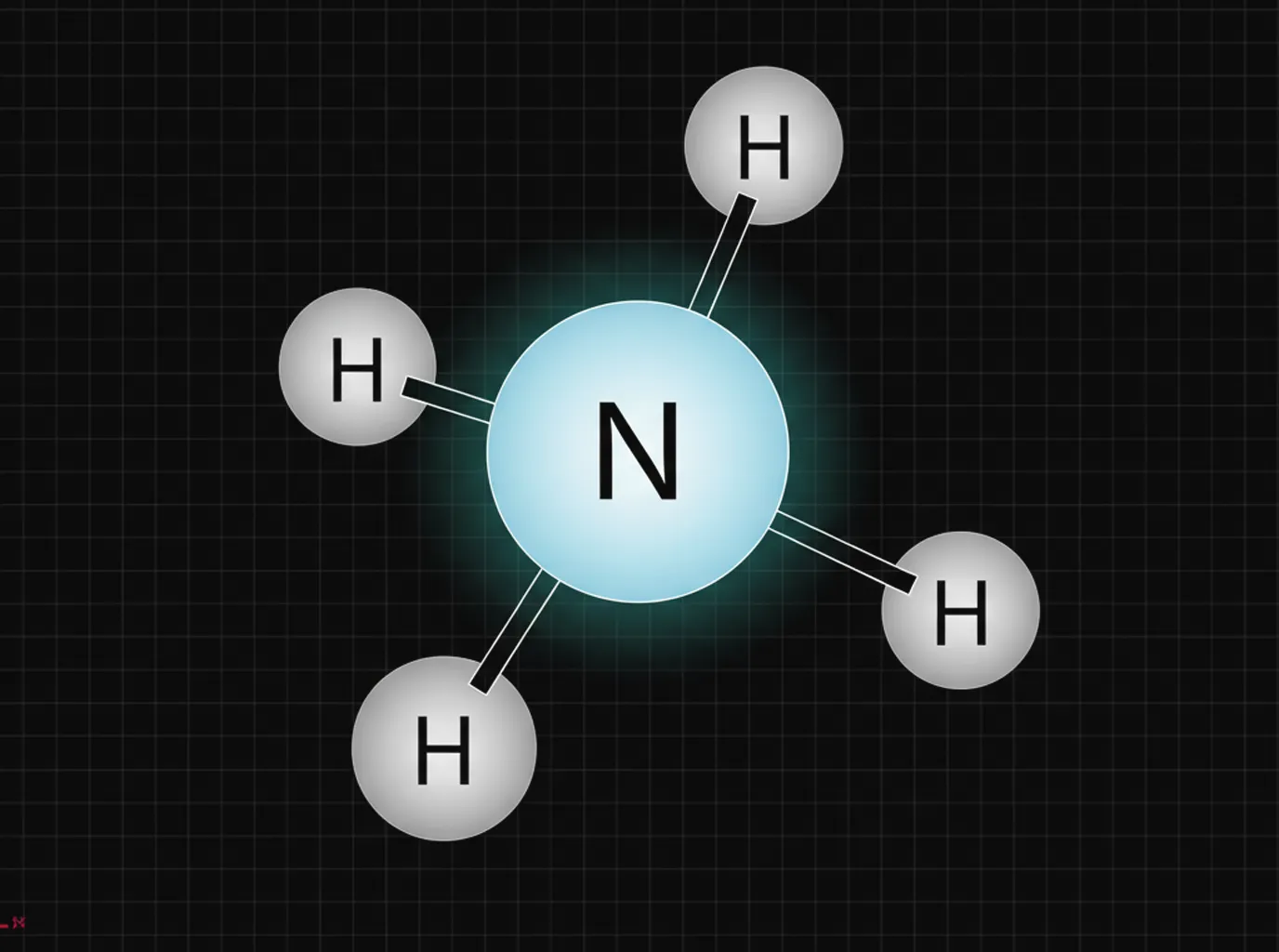
Water parameters define the chemical environment your plants and fish inhabit. Understanding and managing these parameters is fundamental to planted tank success. This comprehensive guide covers everything from basic nitrogen cycle mechanics to advanced parameter optimization.
What you'll learn:
- Complete nitrogen cycle mechanics (biochemistry and practical management)
- pH, GH, KH chemistry (what they are, how they interact, how to adjust)
- Macro and micronutrient management (NPK ratios, trace elements, dosing strategies)
- Testing protocols and accuracy (which tests matter, how often, interpreting results)
- Parameter relationships (how pH affects nutrient availability, CO₂-KH interactions)
- Troubleshooting parameter problems
- Advanced optimization (EI dosing, lean dosing, PPS-Pro, custom regimens)
- Water change strategies
Prerequisites: This guide assumes basic planted tank knowledge. For beginner-level parameter information, see Water Parameters Explained.
The Nitrogen Cycle: Complete Mechanics
Biochemical Process
The nitrogen cycle is a sequence of bacterial conversions processing fish waste into plant-usable forms.
Step 1: Ammonification
- Fish excrete ammonia (NH₃) through gills and waste
- Uneaten food and decaying matter decompose into ammonia
- Ammonia exists in two forms:
- NH₃ (un-ionized ammonia) — highly toxic
- NH₄⁺ (ammonium ion) — less toxic
- Ratio depends on pH:
- pH 6.0-6.5: ~99% NH₄⁺, ~1% NH₃
- pH 7.0: ~99% NH₄⁺, ~1% NH₃
- pH 8.0: ~95% NH₄⁺, ~5% NH₃
- pH 9.0: ~75% NH₄⁺, ~25% NH₃
Step 2: Nitrification (First Stage)
- Nitrosomonas bacteria oxidize ammonia to nitrite
- Chemical equation: 2NH₃ + 3O₂ → 2NO₂⁻ + 2H⁺ + 2H₂O
- Requires oxygen (aerobic process)
- Colonizes filter media, substrate, surfaces
- Nitrite (NO₂⁻) is also toxic to fish
Step 3: Nitrification (Second Stage)
- Nitrobacter bacteria oxidize nitrite to nitrate
- Chemical equation: 2NO₂⁻ + O₂ → 2NO₃⁻
- Also requires oxygen
- Colonizes same areas as Nitrosomonas
- Nitrate (NO₃⁻) is much less toxic, usable by plants
Step 4: Plant Uptake or Denitrification
- Plants absorb nitrate as primary nitrogen source
- Alternatively, anaerobic bacteria convert nitrate to nitrogen gas (N₂) in oxygen-depleted zones
- In planted tanks, plant uptake is dominant pathway
Cycling Timeline (New Tanks)
Week 0-1:
- No bacterial colonies yet
- Ammonia accumulates if fish present
- Plants absorb some ammonia directly
Week 1-3:
- Nitrosomonas colonizing
- Ammonia converts to nitrite
- Ammonia peak (2-5 ppm typical)
- Nitrite begins appearing
Week 3-5:
- Nitrite peak (2-10 ppm possible)
- Nitrobacter colonizing
- Nitrate appearing and rising
Week 5-8:
- Ammonia and nitrite drop to 0 ppm
- Nitrate accumulating
- Tank is cycled (can support full fish load)
Planted tank advantage: Heavy planting shortens cycling significantly. Plants absorb ammonia directly, reducing bacteria workload. Can cycle in 2-4 weeks with dense planting.
Maintaining Nitrogen Cycle
Critical factors:
1. Oxygen availability
- Both bacterial stages require O₂
- Ensure adequate aeration
- Clogged filters reduce efficiency
2. Surface area for colonization
- Bacteria form biofilm on surfaces
- Filter media provides primary habitat
- Substrate, hardscape, tank walls also colonize
3. Stable conditions
- Temperature swings stress bacteria
- pH extremes (<6.0 or >8.5) inhibit bacteria
- Medications (especially antibiotics) kill bacteria
4. Continuous flow
- Filter must run 24/7
- Stopping filter >2 hours begins bacterial die-off
- Dead bacteria release ammonia (compounding problem)
pH: The Hydrogen Ion Concentration
Understanding pH
Definition: Negative logarithm of hydrogen ion concentration
pH = -log[H⁺]
Scale: 0-14
- <7: Acidic (more H⁺ ions)
- 7: Neutral
-
7: Alkaline/Basic (fewer H⁺ ions)
Logarithmic scale: Each unit is 10× difference
- pH 6.0 has 10× more H⁺ than pH 7.0
- pH 5.0 has 100× more H⁺ than pH 7.0
Ideal pH for Planted Tanks
Optimal range: 6.5-7.5
Acceptable range: 6.0-8.0
Most plants and fish thrive in this range.
Why this range?
- Nutrient availability optimal (see nutrient availability chart below)
- Most aquarium species evolved in neutral to slightly acidic waters
- Bacterial nitrification efficient
pH and Nutrient Availability
Nutrient availability changes with pH:
pH 5.0-6.0:
- Iron (Fe) very available
- Manganese (Mn) very available
- Phosphorus (P) less available
- Molybdenum (Mo) limited
pH 6.5-7.5 (optimal):
- All nutrients reasonably available
- Best overall balance
pH 8.0-9.0:
- Iron precipitates (becomes unavailable)
- Phosphorus less available
- Molybdenum more available
- Many nutrients lock out
Implication: Extreme pH (<6.0 or >8.0) causes nutrient deficiencies even if nutrients present.
Factors Affecting pH
1. KH (carbonate hardness) - Primary buffer
- High KH resists pH changes
- Low KH allows pH swings
- See KH section below
2. CO₂ injection
- Dissolves as carbonic acid
- Lowers pH during photoperiod
- pH rises when CO₂ turns off
- Daily swing of 0.5-1.0 units normal
3. Substrate
- Aquasoils lower pH (organic acids, ion exchange)
- Inert substrates: no effect
- Crushed coral/limestone: raises pH
4. Driftwood
- Releases tannins (humic/fulvic acids)
- Gradually lowers pH
- Effect diminishes over months
5. Biological processes
- Nitrification produces H⁺ (lowers pH)
- Photosynthesis consumes CO₂ (raises pH slightly)
- Respiration produces CO₂ (lowers pH)
Adjusting pH
To lower pH:
Method 1: CO₂ injection (preferred for planted tanks)
- Lowers pH 0.5-1.0 units typically
- Reversible (pH rises when off)
- Beneficial for plant growth
Method 2: Peat or driftwood
- Releases tannins
- Gradual, gentle effect
- Tints water amber (may be undesirable)
Method 3: pH down chemicals
- Phosphoric or hydrochloric acid products
- Temporary (KH buffers back)
- Not recommended (address root cause instead)
To raise pH:
Method 1: Increase KH (preferred)
- Add baking soda (sodium bicarbonate)
- Dose: ~1 teaspoon per 10 gallons raises KH ~4-5 dGH
- Buffers pH upward
Method 2: Crushed coral in filter
- Slowly dissolves, releasing carbonate
- Raises pH and GH
- Long-lasting
Method 3: pH up chemicals
- Sodium hydroxide products
- Temporary (CO₂ and biological processes lower again)
- Not recommended
Best approach: Adjust KH to stabilize pH at desired level, rather than fighting pH directly.
GH (General Hardness): Mineral Content
What GH Measures
GH = Concentration of calcium (Ca²⁺) and magnesium (Mg²⁺) ions
Units:
- dGH (degrees of General Hardness)
- ppm (parts per million, where 1 dGH ≈ 17.8 ppm)
Categories:
- 0-3 dGH: Very soft
- 3-6 dGH: Soft
- 6-12 dGH: Moderate
- 12-18 dGH: Hard
- 18+ dGH: Very hard
Why GH Matters
For plants:
- Calcium and magnesium are essential macronutrients
- Calcium: Cell wall structure, enzyme function
- Magnesium: Central atom in chlorophyll molecule
- Deficiency symptoms: Stunted growth, leaf deformities
For fish:
- Osmoregulation (maintaining internal salt balance)
- Bone/scale formation
- Enzyme and hormone function
For shrimp:
- Molting process (need minerals to form new exoskeleton)
- Very sensitive to GH (most need 4-8 dGH minimum)
Ideal GH for Planted Tanks
Target range: 4-8 dGH
Acceptable range: 3-15 dGH
Why this range?
- Provides adequate Ca/Mg for plants
- Suitable for most tropical fish
- Supports shrimp molting
Soft water species (pH 6.0-6.5): 3-6 dGH preferred
- Discus, cardinal tetras, many South American species
Hard water species (pH 7.5-8.5): 10-20 dGH preferred
- African cichlids, livebearers, some rainbowfish
Adjusting GH
To raise GH:
Method 1: Equilibrium products (Seachem Equilibrium)
- Adds Ca, Mg, and other minerals
- Precise dosing
- Doesn't significantly affect pH or KH
- Ideal for planted tanks
Method 2: Epsom salt (magnesium sulfate)
- Adds only Mg (no Ca)
- Dose: 1 tablespoon per 10 gallons ≈ +6 dGH
- Use if specifically targeting Mg
Method 3: Calcium chloride + Epsom salt
- DIY remineralization
- Ratio: 3 parts CaCl₂ : 1 part MgSO₄ (by weight) approximates natural ratio
- Advanced approach
Method 4: Crushed coral or limestone
- Adds Ca primarily
- Raises GH and pH together
- Use in filter or mixed in substrate
To lower GH:
Only practical method: Dilute with RO or distilled water
- Mix tap water with RO/DI to desired GH
- Can't easily remove minerals once dissolved
- Then remineralize to desired GH/KH using equilibrium products
KH (Carbonate Hardness): pH Buffering
What KH Measures
KH = Concentration of carbonate (CO₃²⁻) and bicarbonate (HCO₃⁻) ions
Also called: Alkalinity (technically slightly different but used interchangeably in aquarium hobby)
Units:
- dKH (degrees of Carbonate Hardness)
- ppm (1 dKH ≈ 17.8 ppm)
Why KH Matters
Primary function: pH buffer
Buffering mechanism:
- Carbonates absorb excess H⁺ ions (prevents pH drop)
- Releases H⁺ when needed (prevents pH rise)
- Higher KH = stronger buffering = more stable pH
With CO₂ injection:
- High KH (8+ dKH): Requires more CO₂ to affect pH, harder to reach target CO₂ levels
- Low KH (1-3 dKH): Small CO₂ changes dramatically affect pH, risk of pH crashes
- Moderate KH (3-6 dKH): Ideal balance for CO₂ tanks
Ideal KH for Planted Tanks
Without CO₂: 3-8 dKH (provides stable pH)
With CO₂: 3-5 dKH (allows efficient CO₂ use without excessive gas consumption or pH instability)
The CO₂-pH-KH Relationship
Formula: CO₂ (ppm) ≈ 3 × KH × 10^(7-pH)
Example calculations:
Scenario 1:
- KH = 4 dKH
- pH = 6.7
- CO₂ ≈ 3 × 4 × 10^(7-6.7) = 3 × 4 × 2 ≈ 24 ppm
Scenario 2:
- KH = 8 dKH
- pH = 7.0
- CO₂ ≈ 3 × 8 × 10^(7-7.0) = 3 × 8 × 1 = 24 ppm
Observation: Higher KH requires less pH drop to achieve same CO₂ level.
Limitation: Other acids (tannins, organic acids) affect pH without contributing CO₂. Drop checker is more reliable for CO₂ measurement.
Adjusting KH
To raise KH:
Baking soda (sodium bicarbonate) - Most common
- Dose: 1 teaspoon per 10 gallons ≈ +4-5 dKH
- Dissolve in cup of tank water before adding
- Raises KH without significantly affecting GH
Crushed coral
- Raises both KH and GH
- Place in filter or mix in substrate
- Gradual, long-term effect
To lower KH:
Only practical method: Dilute with RO water
- Mix tap water with RO to dilute minerals
- Then remineralize GH separately using equilibrium products
- Allows independent GH/KH control
Macronutrients: NPK and Beyond
Nitrogen (N)
Plant use: Amino acids, proteins, chlorophyll, nucleic acids (DNA/RNA)
Forms available to plants:
- Nitrate (NO₃⁻) - Primary form used (most common in aquariums)
- Ammonium (NH₄⁺) - Also used, preferred by some plants when available
Target concentration: 10-20 ppm NO₃ (as nitrate)
Sources:
- Fish waste (via nitrogen cycle)
- Decaying organic matter
- Fertilizers (KNO₃ potassium nitrate, or all-in-one)
Deficiency symptoms:
- Yellowing of older leaves (chlorosis)
- Stunted growth
- Pale, washed-out appearance
Excess:
- Rarely problematic for plants (can tolerate 40-80+ ppm)
- High levels (>80 ppm) may stress fish long-term
- Not a direct algae cause (imbalance is)
Phosphorus (P)
Plant use: ATP (energy molecule), DNA/RNA, cell membranes, photosynthesis
Form available to plants: Phosphate (PO₄³⁻)
Target concentration: 1-2 ppm PO₄
Sources:
- Fish food (high phosphorus content)
- Fish waste
- Fertilizers (KH₂PO₄ monopotassium phosphate, or all-in-one)
Deficiency symptoms:
- Dark green leaves (excess nitrogen relative to phosphorus)
- Stunted growth
- Older leaves develop black/brown spots
- Poor root development
Excess:
- Not directly harmful to plants or fish
- Won't cause algae alone (myth)
- Levels up to 5-10 ppm acceptable
The phosphate myth: "High phosphate causes algae"
Reality: Imbalanced nutrient ratios can contribute to algae, but phosphate alone doesn't cause it. Many successful high-tech tanks run 2-3 ppm PO₄ without algae.
Potassium (K)
Plant use: Enzyme activation, osmoregulation, photosynthesis, protein synthesis
Form available: K⁺ ion
Target concentration: 20-30 ppm K
Sources:
- Fertilizers (K₂SO₄ potassium sulfate, KNO₃ potassium nitrate, or all-in-one)
- Tap water (variable, usually insufficient)
Deficiency symptoms:
- Pinholes in leaves
- Yellow spots between veins
- Browning/curling leaf edges
- Weak, brittle stems
Excess:
- Very high tolerance (hundreds of ppm)
- Not harmful at reasonable aquarium levels
Calcium (Ca) and Magnesium (Mg)
Covered under GH above. These are macronutrients measured by GH test.
Target:
- Calcium: 20-50 ppm
- Magnesium: 10-20 ppm
- Ratio: Approximately 3:1 to 4:1 Ca:Mg
Most tap water and remineralization products provide adequate Ca/Mg when GH is 4-8 dGH.
Micronutrients (Trace Elements)
Essential Micronutrients
Required in smaller quantities but still essential:
Iron (Fe):
- Central role in chlorophyll synthesis
- Deficiency: New leaves yellow while veins stay green (interveinal chlorosis)
- Target: 0.1-0.5 ppm (difficult to test accurately at home)
Manganese (Mn):
- Photosynthesis, enzyme activation
- Deficiency: Similar to iron (interveinal chlorosis)
Boron (B):
- Cell division, root growth
- Deficiency: Distorted new growth
Zinc (Zn):
- Enzyme function, protein synthesis
- Deficiency: Stunted growth, small leaves
Copper (Cu):
- Enzyme function, photosynthesis
- Toxic to shrimp at high levels (be cautious)
Molybdenum (Mo):
- Nitrogen metabolism
- Deficiency: Rare, similar to nitrogen deficiency
Others: Chlorine (Cl), Nickel (Ni), Cobalt (Co) - required in trace amounts
Micronutrient Management
In practice:
Most hobbyists don't test micronutrients individually (tests expensive/inaccurate).
Strategy: Use all-in-one fertilizer containing complete micronutrient package.
Products:
- NilocG Thrive (complete)
- Aquarium Co-Op Easy Green (complete)
- APT Complete (complete)
- Tropica Premium (complete)
These provide balanced micro + macro nutrition.
Testing Protocols
Essential Tests
Weekly (first 3 months):
- Ammonia
- Nitrite
- Nitrate
Bi-weekly (established tanks):
- Nitrate
- Phosphate (if dosing or troubleshooting)
Monthly:
- pH (if stable, less frequent OK)
- GH and KH (once established, retest only if issues arise)
Occasional/troubleshooting:
- Iron (if suspect deficiency, though home tests unreliable)
Test Kit Recommendations
API Freshwater Master Test Kit ($25-35):
- Ammonia, nitrite, nitrate, pH (high and low range)
- Liquid reagent (more accurate than strips)
- Standard for most hobbyists
Additional tests:
- GH/KH Test Kit (API, $10-15): Test once initially, retest if parameters change
- Phosphate Test Kit (API, Seachem, $10-15): Useful if dosing or diagnosing algae
- Iron Test Kit ($10-20): Home tests often inaccurate, not essential
Test strips:
- Convenient but less accurate
- Acceptable for quick checks
- Not recommended as primary testing method
Testing Accuracy Tips
1. Shake reagent bottles thoroughly (especially nitrate bottle #2 - crystals settle)
2. Fill test tube to exact line (use good lighting to see meniscus)
3. Add exact number of drops (hold bottle vertically, count carefully)
4. Cap and shake as directed (nitrate requires vigorous shaking for full minute)
5. Wait specified time (don't rush reading, some tests take 5 minutes)
6. Read in natural light (colored LED light skews color perception)
7. Hold color card behind tube (compare from side, not looking down through tube)
8. Test fresh, aged tap water (establish baseline, some parameters change after dechlorination)
Nutrient Dosing Strategies
All-In-One Dosing (Recommended for Most)
Philosophy: Provide complete nutrition via single product
Method:
- Dose all-in-one fertilizer containing NPK + micros
- Frequency: After water change, or split across week
- Follow bottle instructions or dose to maintain NO₃ 10-20 ppm, PO₄ 1-2 ppm
Products:
- NilocG Thrive (popular, complete)
- Aquarium Co-Op Easy Green (complete, beginner-friendly)
- APT Complete (premium)
- Tropica Premium (complete)
Pros:
- Simple (one bottle)
- Balanced nutrition
- Convenient
Cons:
- Less control over individual nutrients
- May not match all tank needs perfectly
EI (Estimative Index) Dosing
Philosophy: Provide excess nutrients so plants never limited. Weekly 50% water change resets levels.
Method:
- Dose macros (KNO₃, KH₂PO₄, K₂SO₄) 3× per week
- Dose micros (CSM+B or similar) 3× per week
- Alternate macro/micro days
- 50% water change weekly
Target additions (per week):
- NO₃: +20-30 ppm
- PO₄: +3-5 ppm
- K: +30 ppm
- Micros: 2-3× per week
Pros:
- Plants never nutrient-limited
- Maximum growth potential
- Proven effective
Cons:
- Higher nutrient levels (algae risk if CO₂/light imbalanced)
- More complex (multiple products)
- Water change dependent
Best for: High-tech tanks, heavy planting, maximum growth
Lean Dosing
Philosophy: Provide just enough nutrients. Plants use what's available. Lower steady-state levels.
Method:
- Dose smaller amounts daily or every other day
- Target steady-state: NO₃ 5-10 ppm, PO₄ 0.5-1 ppm
- Adjust based on plant response
Pros:
- Lower nutrient levels (more forgiving if imbalanced)
- Less algae risk
- Less water change dependent
Cons:
- Requires more monitoring
- Risk of deficiency if underdosing
- Slower growth than EI
Best for: Low to mid-tech tanks, those prone to algae, minimalist approach
PPS-Pro (Perpetual Preservation System)
Philosophy: Daily microdosing maintains low, stable levels
Method:
- Dose very small amounts daily
- No reliance on water changes
- Steady-state: NO₃ ~5-10 ppm, PO₄ ~1 ppm
Pros:
- Low nutrient levels
- Stable daily routine
Cons:
- Requires daily dosing
- More complex calculations
Best for: Advanced hobbyists, those wanting precision
Water Change Strategies
Frequency and Volume
Standard recommendation: 30-50% weekly
Why this works:
- Exports organic waste
- Resets nutrient levels
- Replenishes minerals
- Dilutes accumulated metabolites
Variations:
Low-tech tanks:
- 30% weekly sufficient
- Less nutrient consumption (plants grow slower)
High-tech tanks:
- 40-50% weekly preferred
- Higher nutrient consumption
- More bioload from heavy growth
EI dosing:
- 50% weekly (non-negotiable part of EI method)
- Prevents excessive nutrient accumulation
Very heavily planted, low bioload:
- 20-30% weekly can work
- Plants process most waste
Water Change Technique
Process:
- Siphon water out (gravel vacuum if using inert substrate, gentle hovering if aquasoil)
- Match temperature (within 2-3°F)
- Dechlorinate (add to tank or to new water, follow product instructions)
- Refill slowly (pour onto plate or hand to minimize disturbance)
- Dose fertilizer after water change (if weekly dosing schedule)
Temperature matching matters:
- Large temperature swings stress fish
- Can trigger spawning in some species (usually unintended)
Tap Water Considerations
Test your tap water parameters:
- pH, GH, KH, nitrate (some tap water has nitrate), phosphate
- Establish baseline
If tap water has issues:
High nitrate (>20 ppm tap):
- Use RO water or nitrate filter
- Otherwise stacks with tank nitrate
Very hard (>15 dGH):
- Mix RO with tap to dilute
- Remineralize to desired GH/KH
Chlorine/chloramine:
- Always dechlorinate (Seachem Prime, API Stress Coat, etc.)
- Chloramines more stable (don't dissipate like chlorine)
- Prime also detoxifies ammonia temporarily (useful during cycling)
Troubleshooting Parameter Problems
Problem: pH Keeps Dropping
Causes:
- Low KH (insufficient buffering)
- CO₂ overdose (if injecting)
- Heavy organic load (produces acids)
- Aquasoil effect (especially first 6 months)
Solutions:
- Increase KH (baking soda)
- Reduce CO₂ bubble rate
- Increase water change frequency
- If aquasoil, wait (effect diminishes over time)
Problem: pH Keeps Rising
Causes:
- High KH from tap water
- Crushed coral or limestone in tank
- Lack of CO₂ (if high-light setup)
Solutions:
- Dilute tap water with RO
- Remove crushed coral/limestone
- Add CO₂ injection (if appropriate for lighting)
Problem: Ammonia/Nitrite Present in Established Tank
Causes:
- Filter crashed (bacteria died)
- Overstocked suddenly
- Filter not running (power outage, unplugged)
- Overfeeding
Solutions:
- Large water change immediately (50%)
- Stop feeding temporarily
- Test daily
- Add beneficial bacteria supplement
- Check filter running properly
- Reduce bioload if overstocked
Problem: Nitrate Won't Drop Below 40-80 ppm
Causes:
- Insufficient water changes
- Overstocked
- Overfeeding
- Tap water high in nitrate
Solutions:
- Increase water change frequency/volume
- Add more fast-growing plants
- Reduce feeding
- Test tap water (if high, use RO)
Problem: Nitrate Stays at 0 ppm Despite Fish
Causes:
- Heavy plant consumption (actually good)
- Denitrification in substrate (anaerobic zones)
- Test kit expired or inaccurate
Solutions:
- If plants healthy: No problem, dose fertilizer to maintain 5-10 ppm
- Check test kit expiration date
- Verify testing technique (shake bottle #2 thoroughly)
Problem: GH/KH Drop Over Time
Causes:
- Plants/substrate consuming minerals
- Water changes with RO or low-mineral water
Solutions:
- Remineralize RO water before adding to tank
- Dose equilibrium products to maintain GH
- Dose baking soda to maintain KH
Advanced: Custom Fertilization Regimens
Calculating Custom Doses
To dose specific nutrient amount:
Example: Raise NO₃ by 10 ppm in 40-gallon tank
- Convert gallons to liters: 40 gal × 3.785 = 151 liters
- Calculate compound needed:
- KNO₃ is 13.9% nitrogen (as NO₃)
- To raise 1 liter by 1 ppm NO₃: 0.143 mg KNO₃
- For 151 liters by 10 ppm: 0.143 × 151 × 10 = 216 mg = 0.216 grams
Premixed solutions:
- Dissolve 1 tablespoon KNO₃ in 250 ml water
- Dose calculated ml for desired ppm change
Online calculators available: Rotala Butterfly Calculator (excellent tool)
Independent Macro/Micro Dosing
Separate products:
- Macros: KNO₃, KH₂PO₄, K₂SO₄
- Micros: Plantex CSM+B, Flourish Trace, or custom
Dosing schedule (EI example):
- Monday: Macros
- Tuesday: Micros
- Wednesday: Macros
- Thursday: Micros
- Friday: Macros
- Saturday: Micros or rest
- Sunday: 50% water change, rest
Why separate?
- Some micros react with macros in concentrated form
- Independent control over each nutrient
FAQ
How often should I test parameters?
New tank (first 2 months): 2-3× per week (ammonia, nitrite, nitrate) Established tank: Weekly or bi-weekly (nitrate, occasionally pH) Mature stable tank: Monthly maintenance checks
Do I need to test if plants look healthy?
Mostly no. Healthy plant growth indicates good parameters. Test if problems arise. Exception: Test nitrate occasionally to ensure not accumulating excessively.
Can I use distilled water for water changes?
Yes, but must remineralize (add GH/KH). Pure distilled lacks minerals plants and fish need. Use Equilibrium-type products to add back minerals.
Why doesn't my nitrate test show color change?
Most common cause: Not shaking bottle #2 thoroughly. Crystals settle. Shake vigorously for 30+ seconds before using.
Is high nitrate (40-80 ppm) dangerous?
Not acutely. Most fish tolerate these levels. However, chronic exposure not ideal long-term. Target <40 ppm through water changes. Plants tolerate much higher without issue.
Should I dose daily or weekly?
Daily: More stable nutrient levels, smaller doses Weekly: More convenient, larger fluctuations
Both work. Choose based on your schedule preference.
Related Guides
Foundation:
Related Systems:
Specific Parameter Topics:
- pH in Planted Tanks
- GH and KH Explained
- Ammonia, Nitrite, Nitrate
- Water Change Guide
- RO Water for Planted Tanks
Final Principles
1. Stability matters more than perfection. Plants adapt to stable conditions even if not "ideal" numbers on paper.
2. The nitrogen cycle is non-negotiable. Ammonia/nitrite must be 0 ppm. Everything else is secondary to fish safety.
3. Nutrient balance prevents algae. Not nutrient absence. Healthy plants outcompete algae naturally.
4. Test what you can actually adjust. Testing nitrate is useful (you can dose more). Testing iron at home is unreliable and rarely actionable.
5. Don't chase parameters blindly. If plants are healthy and fish are thriving, parameters are adequate. Don't fix what isn't broken.
6. Water changes solve most problems. When in doubt, water change. Exports waste, resets chemistry, dilutes toxins.
7. Consistency in dosing and maintenance beats perfect chemistry. Regular routines create stable systems. Sporadic perfect interventions create instability.
Water parameters are the chemical foundation of your planted tank ecosystem. Understanding them empowers you to diagnose problems, optimize growth, and maintain long-term stability. Master the fundamentals (nitrogen cycle, pH/GH/KH, NPK), maintain consistency, and let biology do the rest.