
Ammonia, Nitrite, Nitrate: Understanding the
The nitrogen cycle is the biological process that converts toxic ammonia from fish waste and decaying organic matter into less harmful compounds. Understanding this cycle is fundamental to keeping any aquarium, but planted tanks handle nitrogen differently than fish-only systems. Plants consume ammonia and nitrate directly as nutrients, bypassing or accelerating parts of the traditional cycle.
In most fish-only tanks, aquarists obsess over cycling and monitor ammonia and nitrite religiously for weeks. Planted tank keepers often see little or no ammonia or nitrite even in new setups because fast-growing plants consume these compounds faster than they accumulate. This is usually the point when beginners realize that heavy planting changes the rules fundamentally. The cycle still operates, but plants provide a parallel pathway that processes nitrogen faster than bacteria alone.
Quick Summary
The nitrogen cycle converts ammonia (NH₃/NH₄⁺) from fish waste and organic decay into nitrite (NO₂⁻), then nitrate (NO₃⁻) through bacterial processes. Ammonia is highly toxic (0.5+ ppm dangerous). Nitrite is toxic (0.5+ ppm dangerous). Nitrate is relatively safe (harmful only above 40-50+ ppm long-term). Beneficial bacteria (Nitrosomonas) convert ammonia to nitrite, then different bacteria (Nitrobacter) convert nitrite to nitrate. This cycling process establishes over 4-8 weeks in new tanks as bacterial colonies grow. Planted tanks cycle faster (1-3 weeks) because plants consume ammonia and nitrate directly, reducing bacterial workload. Target levels are ammonia 0 ppm, nitrite 0 ppm, nitrate 5-20 ppm in planted tanks. High nitrates (40+ ppm) can promote algae and suppress red plant coloration. Test ammonia and nitrite daily during cycling, then weekly for the first month. Test nitrate weekly to monitor plant consumption and guide fertilization. Water changes export nitrate and replenish minerals. Heavily planted tanks may need nitrate dosing if plants consume it faster than fish produce it.
What Is Ammonia?
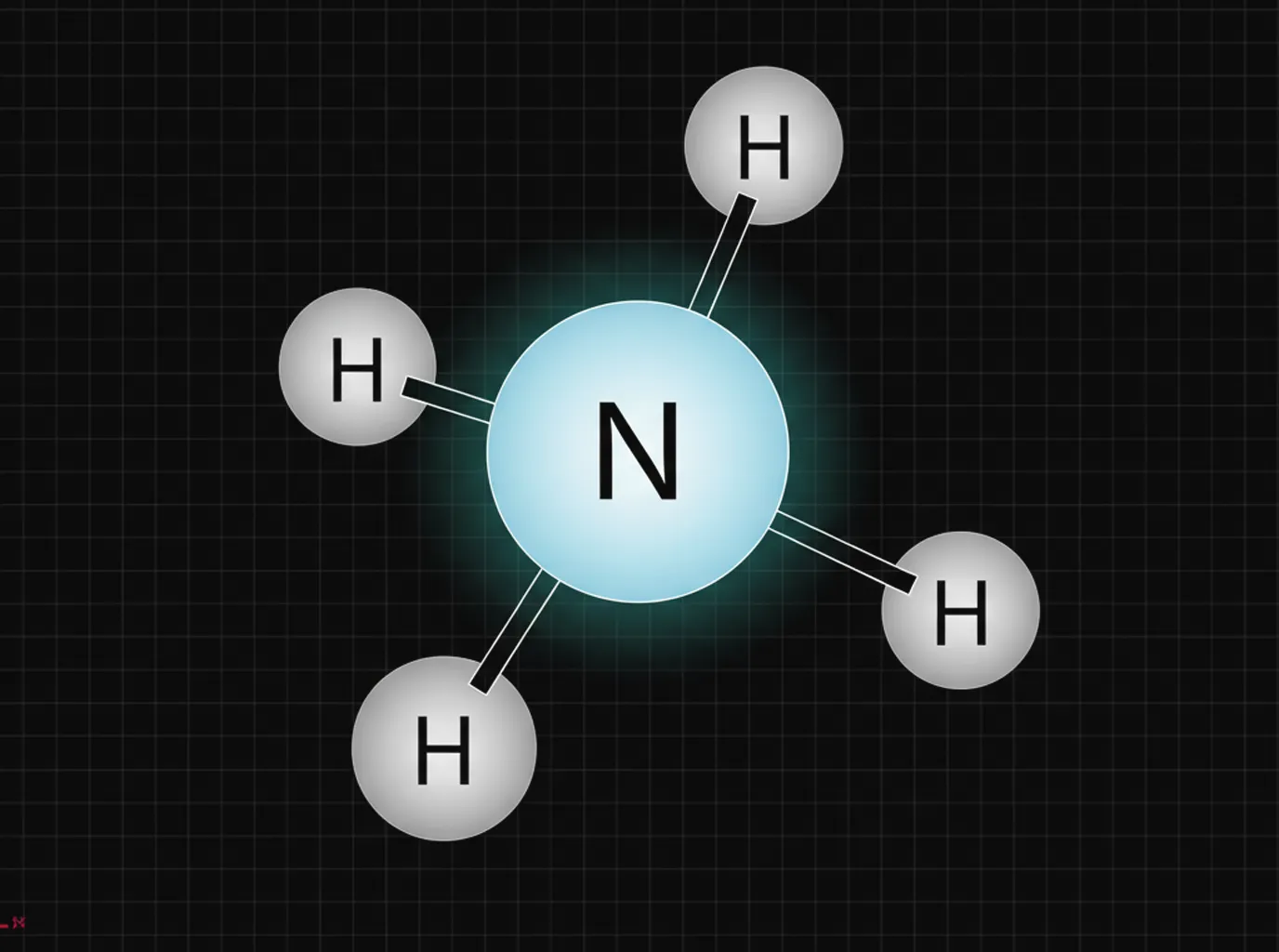
Ammonia exists in two forms in aquarium water: toxic ammonia (NH₃) and less toxic ammonium (NH₄⁺). The ratio between these forms depends on pH and temperature. Higher pH and temperature shift the balance toward toxic ammonia.
At pH 7.0 and 25°C, approximately 0.5% exists as toxic ammonia and 99.5% as ammonium. At pH 8.0, approximately 5% exists as toxic ammonia (ten times more). This is why high pH tanks must maintain lower total ammonia levels than neutral pH tanks for equivalent safety.
Ammonia sources include fish waste (primarily through gills, secondarily through feces), uneaten food decomposition, dead plant matter decay, decaying animal tissue (dead fish, dead snails), and bacterial decomposition of proteins in substrate or filter media.
Fish continuously excrete ammonia through their gills as a metabolic waste product from protein digestion. A heavily stocked tank produces significantly more ammonia than a lightly stocked tank. Overfeeding amplifies this because excess food decays rather than being consumed.
Ammonia is highly toxic to fish even at low concentrations. Symptoms of ammonia poisoning include gasping at the surface, lethargy, loss of appetite, red or inflamed gills, clamped fins, and rapid breathing. Chronic exposure causes tissue damage, particularly to gills and internal organs. Acute exposure (high concentrations) can kill within hours.
What Is Nitrite?
Nitrite (NO₂⁻) is the intermediate product formed when beneficial bacteria oxidize ammonia. Nitrosomonas and related bacteria convert ammonia to nitrite in the first stage of the nitrogen cycle.
Nitrite is toxic through a different mechanism than ammonia. It interferes with oxygen transport in fish blood by oxidizing hemoglobin to methemoglobin, which cannot carry oxygen. This condition is called methemoglobinemia or "brown blood disease." Affected fish suffocate despite adequate dissolved oxygen in the water.
Symptoms of nitrite poisoning include rapid breathing, gasping at surface, brown or dark red gills, lethargy, and loss of balance. Fish may appear to suffocate in well-oxygenated water because their blood cannot transport oxygen to tissues.
Nitrite toxicity increases with lower chloride (Cl⁻) concentrations. Chloride competes with nitrite for uptake at fish gill surfaces, providing protection. This is why adding aquarium salt (sodium chloride) during cycling or nitrite spikes reduces toxicity. The chloride ions block nitrite absorption.
Nitrite is significantly less toxic than ammonia at equivalent concentrations, but both should remain at 0 ppm in established, healthy aquariums. Safe levels during cycling are debatable, but keeping nitrite below 0.5 ppm reduces stress substantially.
What Is Nitrate?
Nitrate (NO₃⁻) is the end product of the nitrogen cycle. Nitrobacter and related bacteria convert nitrite to nitrate in the second stage. Nitrate is far less toxic than ammonia or nitrite, allowing much higher concentrations without immediate harm.
Fish tolerate nitrate at much higher levels than ammonia or nitrite. Most species handle 20-40 ppm without visible stress. Problems appear at 80-100+ ppm with chronic exposure (weeks to months): reduced immune function, stunted growth in juveniles, increased disease susceptibility, and reproduction issues.
In planted tanks, nitrate serves as a primary nitrogen source for plants. Most aquatic plants absorb nitrate from the water column and convert it to organic nitrogen for protein synthesis, cell growth, and chlorophyll production.
Nitrate does not convert to anything else in typical aquarium conditions. It accumulates continuously unless removed by water changes, plant uptake, or deliberate denitrification (anaerobic bacterial process converting nitrate to nitrogen gas, rare in standard aquariums).
High nitrate levels (40+ ppm) in planted tanks can promote certain algae types (green water, hair algae) and suppress red coloration in red plants. Many aquascapers targeting vibrant red plants maintain nitrate at 5-10 ppm through controlled fertilization.
The Nitrogen Cycle Process
The nitrogen cycle begins when organic nitrogen (proteins, amino acids) breaks down into ammonia. Fish excretion and organic decay are the primary sources. This step is continuous as long as fish are fed and organic matter exists.
Beneficial bacteria colonize surfaces throughout the aquarium: filter media, substrate, decorations, glass, plant leaves. These bacteria require oxygen, so well-oxygenated areas (filter media with good flow, substrate surface, areas near diffusers) support larger populations.
Nitrosomonas bacteria and related species oxidize ammonia to nitrite. The reaction requires oxygen and produces hydrogen ions (lowering pH): 2NH₃ + 3O₂ → 2NO₂⁻ + 2H⁺ + 2H₂O. This step consumes alkalinity (KH), which is why KH gradually depletes in established tanks without water changes.
Nitrobacter bacteria and related species oxidize nitrite to nitrate: 2NO₂⁻ + O₂ → 2NO₃⁻. This step also requires oxygen. Nitrate accumulates unless removed by water changes or consumed by plants.
The complete cycle (ammonia → nitrite → nitrate) typically establishes over 4-8 weeks in new fish-only tanks as bacterial populations grow from low initial numbers to populations sufficient to process daily ammonia production. This period is called "cycling" the tank.
How Planted Tanks Differ
Plants consume ammonia and nitrate directly as nitrogen sources for growth. This provides an alternative nitrogen processing pathway that operates in parallel with bacterial nitrification.
Most aquatic plants preferentially uptake ammonia over nitrate because converting ammonia to organic nitrogen requires less metabolic energy than converting nitrate. When both are available, plants consume ammonia first. This means fast-growing plants in new tanks can prevent ammonia from accumulating, even before bacterial colonies establish.
In heavily planted tanks with fast-growing species (Rotala, Hygrophila, Limnophila) and high light, plants may consume nearly all ammonia produced, leaving minimal amounts for bacterial processing. Nitrosomonas populations remain small because ammonia is rarely available.
This creates a situation where heavily planted tanks may never show detectable ammonia or nitrite during cycling. Test kits remain at 0 ppm for both compounds because plants process nitrogen faster than it accumulates. The tank is "instantly cycled" from the perspective of toxic compound levels, though bacterial populations still develop gradually.
The tradeoff is dependency on plants. If plant mass decreases suddenly (heavy pruning, disease, removal) or plant growth slows (reduced light, CO₂ depletion, nutrient deficiency), ammonia processing capacity drops. Bacterial populations may not be large enough to handle the ammonia load, causing temporary spikes.
Cycling a New Planted Tank
The cycling process in planted tanks differs significantly from fish-only tanks. Heavy planting allows faster stocking with lower risk of ammonia or nitrite toxicity.
Plant the tank heavily from day one. Use fast-growing stem plants (Rotala, Hygrophila, Bacopa) that consume significant nitrogen. Plant density matters more than species diversity. A tank 60-70% planted with fast growers cycles faster than a tank 30% planted with slow-growing species.
Add substrate and fill with dechlorinated water. Start the filter and heater. Turn on lights for 6-8 hours daily. Do not add fish yet. Allow plants to establish for 3-7 days. Some initial melting or adjustment is normal as plants transition to submersed growth.
After 3-7 days, add a small ammonia source to kickstart bacterial growth. Options include adding 1-2 small hardy fish (Zebra Danios, White Cloud Minnows), feeding the empty tank (small pinch of flakes daily), or dosing pure ammonia (bring concentration to 2 ppm). Plants will consume most of this, but trace amounts feed developing bacterial colonies.
Test ammonia and nitrite daily. In heavily planted tanks, both will likely remain at 0 ppm or barely detectable (under 0.25 ppm). This is normal and indicates successful plant-driven nitrogen processing.
After 10-14 days, if ammonia and nitrite remain at 0 ppm consistently, begin gradual stocking. Add 30-50% of target fish population. Wait one week, test again, then add another 30-50% if parameters remain stable. Full stocking is typically safe within 3-4 weeks.
For tanks with sparse planting or slow-growing plants (Anubias, Java Fern, Cryptocoryne), extend the cycling period to 4-6 weeks and stock more conservatively. These tanks rely more heavily on bacterial nitrification and less on plant uptake.
Cycling Without Plants (Fish-Only Method)
Traditional fishless cycling takes 4-8 weeks without plants. Dose pure ammonia daily (to 2-4 ppm) or add fish food to an empty tank. Bacteria populations grow slowly from near-zero initial numbers.
Week 1-2: Ammonia rises to peak levels (4-8 ppm). Nitrite remains at 0 ppm. Nitrosomonas colonies begin growing but are too small to process ammonia quickly.
Week 2-4: Ammonia begins dropping as Nitrosomonas populations increase. Nitrite rises sharply to peak levels (2-5+ ppm) as ammonia converts to nitrite faster than Nitrobacter can process it.
Week 4-8: Nitrite gradually drops as Nitrobacter populations grow. Nitrate accumulates steadily, indicating the cycle is completing. When ammonia and nitrite both remain at 0 ppm for three consecutive days despite continued dosing, cycling is complete.
This method works but is slower and less efficient than heavy plant-based cycling. It also wastes 4-8 weeks before fish can be added safely.
Testing and Target Levels
During cycling, test ammonia and nitrite daily. Use liquid test kits (API Freshwater Master Test Kit, Seachem ammonia/nitrite tests) for reliability. Test strips are less accurate, especially at low concentrations.
Target 0 ppm ammonia and 0 ppm nitrite at all times. Any detectable level indicates processing capacity (plants + bacteria) cannot keep pace with ammonia production. Reduce feeding, increase water changes, or add more fast-growing plants.
Test nitrate weekly once cycling completes. Target 10-20 ppm nitrate in planted tanks. This range provides nitrogen for plant growth without promoting algae or suppressing red plant coloration.
If nitrate remains below 5 ppm despite weekly testing, the tank is nitrate-limited. Plants consume nitrogen faster than fish produce it. Dose nitrate-containing fertilizer (potassium nitrate, all-in-one fertilizers) to maintain 10-20 ppm for optimal plant growth.
If nitrate exceeds 40 ppm, increase water change frequency (to 40-50% weekly), reduce feeding, or add more plants. Very high nitrate (80+ ppm) indicates severe imbalance and risks fish health long-term.
Problems and Solutions
Ammonia Spike in Established Tanks
Ammonia appearing in a previously stable tank indicates a disruption to nitrogen processing. Common causes include overfeeding (sudden increase in organic waste), dead fish or invertebrates decomposing unnoticed, filter malfunction or excessive filter cleaning (removing too many bacteria), medication killing beneficial bacteria, or sudden plant mass decrease (heavy pruning, plant die-off).
Immediate action: Stop feeding. Perform 50% water change immediately. Test daily. Once ammonia returns to 0 ppm for two consecutive days, resume feeding at reduced amount. Investigate and address underlying cause.
Prevention: Feed conservatively. Count fish daily to detect deaths quickly. Clean filter media gently in tank water, never tap water. Avoid heavy pruning or plant removal without gradual restocking.
Nitrite Spike
Nitrite spikes occur most commonly during cycling but can appear in established tanks after disruptions similar to those causing ammonia spikes. Nitrite is less immediately toxic than ammonia but still dangerous.
Immediate action: Add aquarium salt (sodium chloride) at 1-2 teaspoons per 5 gallons. Chloride protects fish by competing with nitrite uptake. Perform 25-50% water changes daily until nitrite returns to 0 ppm.
Continue regular testing for 3-5 days after nitrite reaches 0 ppm to ensure Nitrobacter populations have recovered.
Chronically High Nitrate
Tanks with persistent high nitrate (60-100+ ppm) despite weekly water changes have excessive nitrogen input relative to export. This is common in heavily stocked tanks with sparse planting.
Solutions: Increase water change frequency (to 50% twice weekly), increase water change volume (to 60-70% weekly), reduce feeding amount by 30-50%, add more fast-growing plants to consume nitrate, or reduce fish population if overstocked.
Some aquarists use nitrate-removing filter media (denitration media, anaerobic biofilters), but these are complex to set up and maintain. Addressing input/export balance through water changes and plants is more reliable.
Nitrate Deficiency
Heavily planted tanks with light fish stocking can deplete nitrate to undetectable levels. Plants show nitrogen deficiency symptoms: uniform yellowing of old leaves, slow growth, pale green coloration.
Solution: Dose nitrogen-containing fertilizer. Add potassium nitrate (KNO₃) to raise nitrate by 5-10 ppm weekly. Target maintaining 10-20 ppm nitrate through regular dosing and testing.
This is counterintuitive for aquarists coming from fish-only backgrounds where nitrate is seen as waste to be removed. In planted tanks, nitrate is a vital nutrient to be maintained.
System Interactions
Light
Light intensity drives photosynthesis and plant growth, which determines nitrogen consumption rate. High light (60-100+ PAR) tanks with fast-growing plants consume nitrogen rapidly, potentially causing nitrate deficiency if fish stocking is light.
Low light (20-40 PAR) tanks grow plants slowly with lower nitrogen consumption. These tanks accumulate nitrate faster and may need larger or more frequent water changes to prevent buildup.
CO₂
CO₂ availability affects plant growth rate and nitrogen consumption. Tanks with CO₂ injection grow plants faster, increasing ammonia and nitrate uptake. This accelerates cycling and can cause nitrate deficiency in lightly stocked setups.
Non-CO₂ tanks grow plants slowly with lower nitrogen consumption. These tanks rely more heavily on bacterial nitrification and are more similar to traditional fish-only cycling.
Nutrients
Nitrogen interacts with other nutrients in plant uptake. Insufficient phosphorus or potassium can limit growth even when nitrogen is abundant, reducing nitrogen consumption rates. Balanced fertilization ensures plants can fully utilize available nitrogen.
Iron deficiency does not affect nitrogen processing directly but slows plant growth, reducing nitrogen consumption. Maintaining all nutrients in adequate ranges maximizes plant contribution to nitrogen processing.
Substrate
Substrate type affects cycling speed. Aquasoils and enriched substrates support faster plant establishment and growth, accelerating plant-based nitrogen processing. These substrates may also harbor beneficial bacteria in porous structures.
Inert substrates (sand, gravel) provide minimal nutrient support for plants initially, slowing establishment. Cycling may take longer as plants establish slowly. Root tabs improve this situation.
Deep substrates (3-4 inches) provide more surface area for beneficial bacteria colonization than shallow substrates (1-2 inches). However, depth below 2 inches offers diminishing returns because anaerobic zones form where nitrifying bacteria cannot function.
Filtration
Filter media houses the majority of beneficial bacteria in most tanks. The filter's surface area and flow rate determine how many bacteria can colonize and how much ammonia/nitrite they can process.
Never clean all filter media simultaneously. This removes too many bacteria and can cause ammonia/nitrite spikes. Clean filter media in stages (clean half one week, other half 2-3 weeks later) using tank water, not tap water (chlorine kills bacteria).
Filter flow rate affects bacterial efficiency. Too much flow prevents bacteria from having sufficient contact time with ammonia. Too little flow creates dead zones with low oxygen where nitrifying bacteria struggle. Moderate flow (tank volume exchanged 3-5 times per hour) is ideal.
Stability
Nitrogen cycle stability requires consistent feeding schedules, regular maintenance, stable fish population, consistent plant mass, and stable filtration operation. Sudden changes to any factor can disrupt the delicate balance between ammonia production and processing capacity.
Gradual changes allow bacterial populations and plant mass to adjust. Adding fish slowly (30-50% increments over weeks), changing feeding gradually (increase/decrease by 20% weekly), and maintaining plant mass through regular trimming with replanting all support stability.
Advanced: Ammonia vs Ammonium Preference in Plants
Plants preferentially absorb ammonium (NH₄⁺) over nitrate (NO₃⁻) because ammonium requires less energy to incorporate into organic compounds. The metabolic cost of converting ammonium to amino acids is lower than converting nitrate (which must first be reduced to nitrite, then ammonium, before incorporation).
In acidic conditions (pH below 7.0), most ammonia exists as ammonium, the preferred form. In alkaline conditions (pH above 7.0), more exists as toxic ammonia (NH₃), which plants can also uptake but at some metabolic cost.
Some species show stronger ammonium preference than others. Fast-growing stem plants (Hygrophila, Rotala, Limnophila) actively consume ammonium, making them excellent for cycling. Slow-growing species (Anubias, Java Fern) consume nitrogen slowly regardless of form.
This preference is why heavily planted tanks can process fish waste so efficiently. As fish excrete ammonia, plants immediately absorb much of it as ammonium, preventing accumulation that would otherwise require bacterial processing or harm fish.
Advanced: The Phosphorus Limitation Strategy
Some aquascapers intentionally limit nitrogen (keeping nitrate at 5-10 ppm) to suppress algae and enhance red plant coloration. However, this must be balanced carefully. Severe nitrogen limitation stops plant growth entirely and can weaken plants, making them MORE susceptible to algae colonization.
The strategy works by forcing plants into mild nitrogen stress that triggers anthocyanin production (red pigments) while maintaining sufficient nitrogen for basic metabolism. This is advanced technique requiring close monitoring and is not recommended for beginners.
More commonly, aquarists maintain 10-20 ppm nitrate and control algae through balanced fertilization, CO₂ consistency, and appropriate photoperiod rather than nitrogen limitation.
Common Myths About the Nitrogen Cycle
Myth: Planted tanks do not need cycling Plants accelerate cycling and reduce ammonia/nitrite toxicity risk, but bacterial populations still establish gradually. Heavily planted tanks may show 0 ppm ammonia/nitrite throughout, but this represents plant processing capacity, not absence of a cycle.
Myth: High nitrate is always bad Nitrate is a vital plant nutrient. Levels of 10-40 ppm support healthy plant growth. Very high levels (80-100+ ppm) indicate imbalance but are not immediately toxic. Some planted tanks require nitrate dosing when it falls below 10 ppm.
Myth: Ammonia is always toxic The toxic form is ammonia (NH₃), not ammonium (NH₄⁺). At neutral pH (7.0), less than 1% exists as toxic ammonia. At acidic pH (6.0-6.5 common in planted tanks), even less exists in toxic form. Total ammonia measurements include both forms, so 0.25 ppm total ammonia at pH 6.5 represents very little toxic ammonia.
Myth: You cannot add fish for 6-8 weeks In heavily planted tanks (60-70% plant coverage with fast growers), careful fish addition can begin within 2-3 weeks as plants process nitrogen. Traditional 6-8 week waiting periods apply to fish-only tanks or sparsely planted tanks.
Myth: Nitrite is less dangerous than ammonia Both are dangerous at similar concentrations. Nitrite toxicity (methemoglobinemia) can kill fish as quickly as ammonia toxicity. Both should remain at 0 ppm in healthy aquariums.
FAQ
How long does the nitrogen cycle take in planted tanks? Heavily planted tanks with fast-growing species show 0 ppm ammonia/nitrite within 10-14 days and are safe for gradual fish stocking at that point. Sparsely planted or slow-growing setups take 4-6 weeks, similar to fish-only tanks.
Can I add fish immediately in a planted tank? With 60-70% coverage of fast-growing plants, you can add a small number of hardy fish (30% of target population) within 3-5 days. Test ammonia/nitrite daily and add fish gradually if readings remain at 0 ppm.
What should ammonia, nitrite, and nitrate levels be? Target ammonia 0 ppm, nitrite 0 ppm, nitrate 10-20 ppm in planted tanks. Any detectable ammonia or nitrite indicates problems. Nitrate below 5 ppm suggests nitrogen deficiency. Above 40 ppm suggests excessive buildup.
Why is my nitrate always low despite having fish? Plants consume nitrate faster than fish produce it in heavily planted, lightly stocked tanks. This is nitrogen deficiency, not a good thing. Dose potassium nitrate to maintain 10-20 ppm nitrate for optimal plant growth.
Do I need to dose ammonia during cycling? In heavily planted tanks, this is optional. Plants will consume most dosed ammonia anyway. A small ammonia source (1-2 small fish after one week, or small amount of fish food) helps develop bacterial colonies without overwhelming plants.
How do water changes affect the nitrogen cycle? Water changes dilute accumulated nitrate and replenish minerals but do not disrupt established bacterial colonies (bacteria live on surfaces, not in water). Perform 30-50% weekly water changes regardless of nitrate levels to maintain overall water quality.
Can I cycle without testing? Not recommended. Testing confirms when cycling completes and detects problems early. Visual observation alone cannot detect 0.5 ppm ammonia that is stressful to fish. Test daily during cycling, then weekly thereafter.
What if ammonia or nitrite appears in my established tank? This indicates a disruption: overfeeding, dead organisms, filter problems, or plant die-off. Stop feeding immediately, perform 50% water change, investigate cause, and test daily until readings return to 0 ppm for three consecutive days.
Related Guides
- Water Parameters Guide – Comprehensive coverage of all water chemistry including nitrogen compounds
- Planted Aquarium Guide – Foundation for setting up planted tanks with proper cycling
- pH in Planted Tanks – Understand how pH affects ammonia toxicity
- Ammonia Spike Problem – Troubleshoot unexpected ammonia spikes in established tanks
- Plant Nutrient Deficiencies – Learn about nitrogen deficiency in plants