
pH in Planted Tanks: Complete Guide to pH
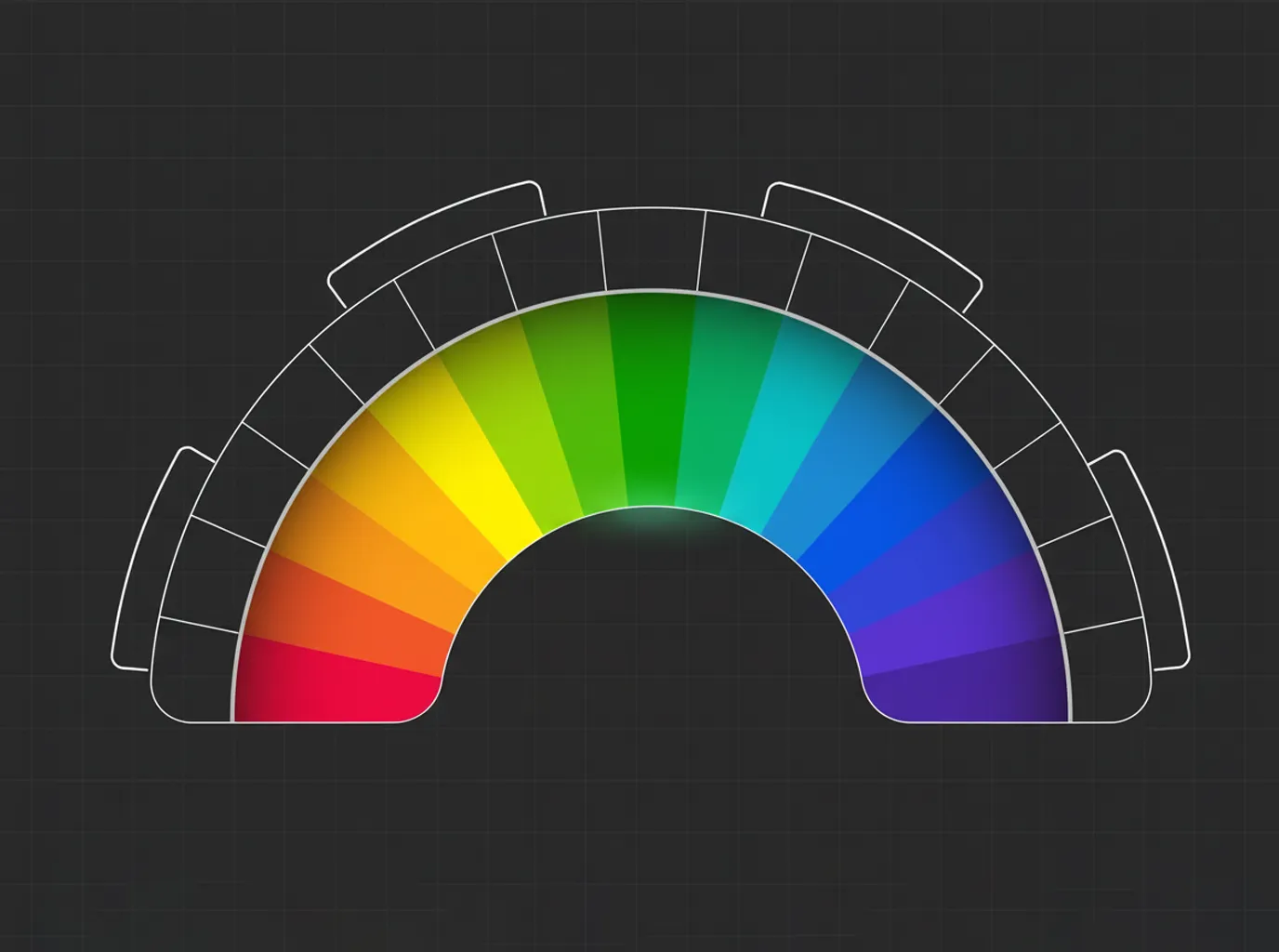
pH is one of the most discussed yet least understood parameters in planted aquariums. The scale measures water acidity or alkalinity on a logarithmic scale from 0 to 14, with 7.0 being neutral. Most planted tanks operate between pH 6.0 and 7.5, and within this range, plants and fish thrive without intervention. The confusion arises because pH interacts with nearly every other water chemistry factor: it affects nutrient availability, CO₂ solubility, biological processes, and fish metabolism.
In most tanks, aquarists worry excessively about achieving specific pH values while ignoring more important factors like stability. A stable pH 7.2 supports healthier plants than a pH that fluctuates between 6.5 and 7.5 daily, even though both values fall within the acceptable range. This is why understanding what influences pH and maintaining consistent conditions matters more than hitting target numbers.
Quick Summary
pH measures water acidity or alkalinity on a 0-14 scale, with 7.0 being neutral, below 7.0 acidic, and above 7.0 alkaline. Most planted aquariums naturally maintain pH between 6.0 and 7.5, which supports healthy plant growth and fish. Plants tolerate a wide pH range (5.5-8.0) but grow optimally between 6.5 and 7.2. pH affects iron availability (precipitates above 7.5), CO₂ solubility (more dissolved at lower pH), and biological processes. Factors that lower pH include CO₂ injection, driftwood tannins, acidic substrates, and organic decomposition. Factors that raise pH include high KH, limestone rocks, coral sand, and vigorous photosynthesis. pH fluctuates naturally throughout the day in CO₂-injected tanks (drops when CO₂ is on, rises when CO₂ is off). Stability matters more than absolute value. Most tanks need no pH adjustment. Only adjust pH if it is extreme (below 5.5 or above 8.5), causing visible problems, or incompatible with livestock. Adjustments should be gradual using KH manipulation or natural materials rather than chemical buffers.
What pH Actually Measures
pH measures hydrogen ion (H⁺) concentration in water. The scale is logarithmic, meaning each whole number represents a tenfold change. Water with pH 6.0 has ten times more hydrogen ions than pH 7.0. Water with pH 5.0 has one hundred times more hydrogen ions than pH 7.0.
This logarithmic nature is important for understanding why pH changes can be dramatic. Small changes in influencing factors (CO₂ addition, KH depletion) can shift pH significantly. Conversely, strong buffering capacity (high KH) resists pH changes despite influencing factors.
Pure water at 25°C has pH 7.0 because it contains equal concentrations of hydrogen ions (H⁺) and hydroxide ions (OH⁻). Add substances that release hydrogen ions (carbonic acid from CO₂, humic acids from driftwood), and pH drops (becomes acidic). Add substances that consume hydrogen ions or release hydroxide ions (carbonates, phosphates), and pH rises (becomes alkaline).
In aquarium contexts, pH is not a direct measure of water quality. You cannot look at pH 6.5 or 7.5 and conclude anything about toxicity, clarity, or suitability. pH is a measurement of chemical balance, influenced by many factors and influencing many processes, but not inherently good or bad at any particular value within the livable range.
Ideal pH Range for Planted Tanks
Most planted aquariums function optimally between pH 6.5 and 7.2. Within this range, nutrients remain available, biological filtration works efficiently, CO₂ dissolves adequately, and common aquarium plants and fish thrive.
Plants tolerate pH 5.5 to 8.0 without severe stress. Species from acidic environments (Cryptocoryne from Southeast Asian peat swamps) prefer lower pH (6.0-6.8). Species from alkaline environments (Vallisneria from hard-water streams) prefer higher pH (7.0-8.0). However, most commonly cultivated aquarium plants grow acceptably across the entire range.
You will often notice that plant growth correlates more strongly with light, CO₂, and nutrients than with precise pH values. A tank with pH 7.5, strong light, and adequate CO₂ grows plants better than a tank with pH 6.5 but insufficient light. pH matters, but it is not the limiting factor in most setups.
Fish have narrower pH preferences than plants. Most community aquarium species (tetras, rasboras, Corydoras) prefer pH 6.0-7.5. African cichlids prefer pH 7.5-8.5. South American species often prefer pH 6.0-7.0. When choosing fish for planted tanks, select species comfortable in the pH your tank naturally maintains rather than forcing pH adjustments.
How pH Affects Plants and Nutrients
pH directly affects nutrient availability through chemical solubility and ionic forms. Iron is the most pH-sensitive nutrient in planted tanks. Below pH 7.0, iron remains soluble and available. Above pH 7.5, iron precipitates as insoluble iron hydroxide, forming rusty-brown deposits on surfaces and becoming unavailable to plants.
This is why soft-water planted tanks (naturally lower pH) rarely experience iron deficiency, while hard-water tanks (naturally higher pH) often do. The same iron dosing produces different results depending on pH.
Phosphate availability also varies with pH. Very acidic pH (below 5.5) or alkaline pH (above 8.0) both reduce phosphate availability through precipitation as aluminum phosphates (acidic) or calcium phosphates (alkaline). Between pH 6.0 and 7.5, phosphate remains available.
Ammonia toxicity is strongly pH-dependent. Ammonia exists in two forms: toxic ammonia (NH₃) and less toxic ammonium (NH₄⁺). Higher pH shifts the balance toward toxic ammonia. At pH 7.0, approximately 0.5% exists as toxic ammonia. At pH 8.0, approximately 5% exists as toxic ammonia (ten times more). This is why high pH tanks require very low ammonia levels during cycling.
Biological processes are pH-sensitive. Nitrifying bacteria (converting ammonia to nitrite to nitrate) operate optimally between pH 7.0 and 8.0. Below pH 6.5, nitrification slows significantly. Below pH 6.0, it may stall entirely. This is rarely problematic in planted tanks because plants consume ammonia directly, bypassing nitrification.
Factors That Lower pH
CO₂ injection is the most common pH-lowering factor in planted tanks. CO₂ dissolves in water, forming carbonic acid (H₂CO₃), which releases hydrogen ions and lowers pH. The effect is proportional to CO₂ concentration. Adding CO₂ to achieve 30 ppm can drop pH by 0.5-1.0 units depending on KH.
Driftwood leaches tannins and humic acids that release hydrogen ions, lowering pH gradually. The effect is strongest when new driftwood is added and diminishes as tannic compounds leach out over weeks to months. Pre-soaking driftwood reduces initial pH impact.
Acidic substrates (aquasoils, peat-based substrates) buffer pH downward through ion exchange and organic acid release. This effect is strongest in new setups and gradually weakens as buffering capacity depletes (typically 12-18 months).
Organic decomposition produces organic acids that lower pH. In tanks with heavy bioload, insufficient maintenance, or decomposing plant matter, pH can drift downward over time. Regular water changes and removal of decaying material prevent this.
Nitrification consumes alkalinity (KH) and releases hydrogen ions, lowering pH. In heavily stocked tanks with low KH and minimal water changes, pH can crash (drop rapidly) as nitrification depletes buffering capacity. This is more common in fish-only tanks than planted tanks.
Factors That Raise pH
High KH (carbonate hardness) buffers pH upward. Carbonates and bicarbonates consume hydrogen ions, preventing pH from dropping. Tap water with high KH naturally maintains higher pH (7.5-8.5) and resists CO₂-induced pH reduction.
Limestone, coral sand, crushed coral, and similar calcareous materials dissolve slowly, releasing carbonates that raise both KH and pH. Avoid these in planted tanks unless you specifically want high pH for alkaline-loving species.
Vigorous photosynthesis during peak lighting hours consumes CO₂ faster than it dissolves back into water from atmosphere. This temporarily raises pH by 0.2-0.5 units in densely planted tanks. The effect reverses at night when respiration produces CO₂.
Some substrates (aragonite, coral sand, limestone gravel) actively buffer pH upward. These are intentionally used in hard-water setups (African cichlid tanks, brackish tanks) but work against planted tank goals if lower pH is desired.
Aeration and surface agitation drive off CO₂, raising pH. Heavy aeration in CO₂-injected tanks wastes CO₂ and causes pH to rise above intended levels. Gentle circulation maintains oxygenation without excessive CO₂ loss.
Daily pH Fluctuation in CO₂ Tanks
In CO₂-injected planted tanks, pH fluctuates daily following the CO₂ injection schedule. When CO₂ turns on (typically when lights turn on), carbonic acid forms and pH drops 0.5-1.0 units over 2-3 hours. When CO₂ turns off (when lights turn off), carbonic acid degasses and pH rises overnight, returning to the pre-injection baseline by morning.
This daily fluctuation is normal and expected. Fish and plants adapt to gradual changes. The key is consistency. If pH drops to 6.8 during CO₂ injection and rises to 7.5 overnight, maintain that pattern daily. Avoid erratic schedules where CO₂ runs for different durations or starts at different times.
In most tanks, you can predict pH change from KH and CO₂ levels using the relationship: pH drop = 0.3 x log₁₀(CO₂ increase). For example, increasing CO₂ from 5 ppm to 30 ppm (6x increase) with moderate KH drops pH by approximately 0.3 x log₁₀(6) = 0.23 units. Higher KH dampens this change, lower KH amplifies it.
Non-CO₂ tanks experience smaller pH fluctuations. Photosynthesis during the day consumes dissolved CO₂, raising pH by 0.1-0.3 units. Respiration at night produces CO₂, lowering pH back to baseline. These fluctuations are mild compared to injected CO₂ systems.
Measuring pH in Your Tank
Digital pH meters provide the most accurate readings if calibrated properly. Calibrate with fresh pH 7.0 and pH 4.0 buffer solutions before each use or weekly. Uncalibrated meters drift and provide false readings. Meters also require electrode maintenance (storage solution, cleaning) to remain accurate.
Liquid drop test kits (API pH Test Kit, Seachem pH Alert) are reliable and affordable. Add drops to a water sample, compare the color to a chart. Accuracy is approximately 0.2 pH units, sufficient for aquarium use. Test in consistent lighting (natural daylight, not artificial) for accurate color comparison.
pH test strips are less accurate (0.5 pH unit accuracy) but acceptable for quick checks. They work for confirming pH is within the safe range (6.0-8.0) but not for precise measurements needed to calculate CO₂ levels from KH/pH charts.
Continuous pH monitors provide real-time readings and can reveal daily fluctuation patterns. They are expensive but useful for understanding how CO₂ injection, photoperiod, and other factors affect pH throughout the day.
When measuring pH, take readings at consistent times. Morning pH (before CO₂ turns on) represents baseline. Midday pH (peak CO₂) represents minimum. Evening pH (after CO₂ turns off) shows recovery. Understanding these patterns helps interpret whether changes indicate problems or normal cycling.
Should You Adjust pH?
Most tanks need no pH adjustment. If your pH naturally sits between 6.0 and 7.5, plants and most fish thrive without intervention. Stability matters far more than achieving specific numbers.
Adjust pH only if it is extreme (below 5.5 or above 8.5), causing visible problems (iron deficiency above pH 7.5, ammonia toxicity above pH 8.0), or fundamentally incompatible with your chosen livestock (African cichlids in pH 6.0, blackwater species in pH 8.5).
Before adjusting, identify why pH is at its current level. Hard tap water with KH 10+ naturally maintains pH 7.5-8.0. Soft tap water with KH 2-3 naturally maintains pH 6.5-7.0. Acidic substrate or driftwood pushes pH lower. Understanding the cause determines appropriate adjustments.
Avoid chemical pH adjusters (pH Up, pH Down) for routine use. These products temporarily shift pH but do not address underlying causes. As soon as the chemicals are consumed, pH returns to its natural level, requiring constant dosing. They also cause rapid pH swings that stress fish more than stable suboptimal pH.
How to Lower pH Naturally
Reduce KH to allow pH to drop naturally. Use RO (reverse osmosis) water cut with tap water to achieve lower KH (2-4 dKH). Lower KH provides less buffering, allowing CO₂, tannins, and acidic substrate to lower pH effectively.
Add driftwood or leaf litter (Indian almond leaves, oak leaves, beech leaves). Tannins and humic acids leach slowly, lowering pH by 0.3-0.7 units over weeks. This creates natural blackwater conditions preferred by many South American species. The water takes on a tea-stained amber tint.
Use acidic substrates like aquasoil or peat-based substrates. These actively buffer pH downward (to 6.0-6.8) through ion exchange. The effect lasts 12-18 months before buffering capacity depletes.
Inject CO₂ to lower pH through carbonic acid formation. This provides dual benefits: lower pH and improved plant growth. The pH drop is controllable based on CO₂ concentration and reversible (stops when CO₂ stops).
Increase water change frequency with RO or soft tap water. Gradually dilute buffering compounds in the tank, allowing pH to drift lower naturally. This method is slow but gentle.
How to Raise pH Naturally
Increase KH to buffer pH upward. Add bicarbonate of soda (sodium bicarbonate, baking soda) to increase KH and pH gradually. One teaspoon per 50 liters raises KH by approximately 1-2 dKH and pH by 0.2-0.5 units. Dose slowly over days, not all at once.
Add limestone rocks, coral sand, or crushed coral. These dissolve gradually, releasing carbonates that raise KH and pH. Place them in the filter or scatter on substrate. The effect is slow and self-regulating (dissolves slower at higher pH).
Use harder tap water or remineralize RO water with products containing calcium carbonate and magnesium carbonate. This raises both GH and KH simultaneously, buffering pH higher while providing minerals for plants and fish.
Reduce CO₂ injection if using it. Lower CO₂ concentration allows pH to rise naturally. This trades some plant growth benefit for higher pH if needed for specific livestock.
Increase surface agitation to drive off CO₂, raising pH. This is counterproductive in planted tanks seeking maximum plant growth but useful if pH needs to rise for fish compatibility.
Common pH Problems
pH Crash
pH crash is a rapid drop to dangerously low levels (below 5.5), typically caused by KH depletion. Without buffering capacity, any acid source (CO₂, nitrification, organic decomposition) drops pH uncontrolled. Fish show stress (gasping, lethargy), and biological filtration stops.
Prevent pH crash by maintaining KH above 2-3 dKH minimum. Monitor KH monthly in established tanks, especially those with heavy bioload or continuous CO₂ injection. If KH drops toward 1 dKH, add sodium bicarbonate or increase water change frequency with harder water.
Recovery from pH crash requires gradual correction. Do not raise pH rapidly (more than 0.5 units per day), as this shocks fish. Perform 25% water changes with properly buffered water daily for 3-4 days until pH stabilizes.
Persistent High pH
High pH (above 7.5) resistant to lowering indicates very high KH or pH-buffering substrate/decor. Test KH. If KH exceeds 8-10 dKH, the water has strong buffering that resists CO₂ and organic acids.
To lower persistent high pH, dilute tap water with RO water to reduce KH, remove limestone or coral-based materials, or use acidic substrate in the next substrate replacement. These changes happen gradually and require patience.
If high pH causes iron deficiency (yellowing new plant leaves), use chelated iron (Fe-EDDHA) that remains stable at higher pH rather than attempting to lower pH itself.
Extreme Daily pH Swings
pH swings exceeding 1.0 unit daily stress fish and disrupt biological processes. This happens when CO₂ injection is excessive relative to KH (very low KH with high CO₂) or when CO₂ injection is inconsistent.
To reduce swings, increase KH slightly (to 3-4 dKH minimum) to provide more buffering, reduce CO₂ injection rate, or extend CO₂ injection duration with lower concentration (gentler change over longer period).
Check for malfunctioning CO₂ equipment. Regulators with inconsistent output or diffusers with varying efficiency cause erratic CO₂ levels and pH swings.
System Interactions
Light
Light intensity indirectly affects pH through photosynthesis. High light drives vigorous photosynthesis, consuming CO₂ and raising pH during photoperiod. Very high light (100+ PAR) in densely planted non-CO₂ tanks can raise pH by 0.5+ units midday.
Photoperiod length affects daily pH cycling. Longer photoperiods extend the period of elevated pH (from photosynthesis). Shorter photoperiods reduce this effect. Most planted tanks use 7-9 hour photoperiods that create moderate pH cycling.
CO₂
CO₂ is the strongest pH influencing factor in planted tanks. Injection lowers pH proportionally to concentration and inversely to KH. Higher CO₂ or lower KH produces greater pH reduction.
The relationship is predictable: at KH 4 dKH, injecting CO₂ to 30 ppm typically drops pH by 0.8-1.0 units. The same CO₂ concentration at KH 8 dKH drops pH by 0.5-0.6 units.
Stable CO₂ produces predictable daily pH cycling. Inconsistent CO₂ causes erratic pH changes that stress fish and disrupt tank stability.
Nutrients
Nutrient interactions with pH primarily involve iron and phosphate availability. Above pH 7.5, iron precipitates and plants develop chlorosis (yellowing new leaves). Use chelated iron (DTPA or EDDHA) to maintain availability at higher pH.
Phosphate precipitation occurs at extreme pH (below 5.5 or above 8.5). Between 6.0 and 7.5, phosphate remains fully available regardless of precise pH.
Ammonia toxicity increases dramatically with rising pH. At pH 6.5, ammonia is mostly non-toxic ammonium. At pH 8.5, a significant fraction exists as toxic ammonia. This rarely affects cycled planted tanks but matters during cycling or in overstocked tanks.
Substrate
Substrate type determines baseline pH in new setups. Acidic aquasoils buffer pH to 6.0-6.8 for 12-18 months. Inert substrates (sand, gravel) have minimal pH effect. Calcareous substrates (coral sand, limestone gravel) buffer pH to 7.5-8.5.
As substrate ages, its pH influence diminishes. Aquasoil depletes buffering capacity, allowing pH to rise toward tap water baseline. Calcareous substrates dissolve slowly, maintaining high pH indefinitely.
Filtration
Biological filtration affects pH through nitrification. Converting ammonia to nitrite to nitrate consumes alkalinity (KH) and releases hydrogen ions, gradually lowering pH. The effect is stronger in heavily stocked tanks with high ammonia production.
In planted tanks with light stocking, plants consume most ammonia directly, bypassing nitrification. pH impact from filtration is minimal. Heavy plant mass stabilizes pH more effectively than in non-planted tanks.
Stability
pH stability requires stable KH, consistent CO₂ (if using injection), regular maintenance, and avoidance of pH-altering additives. Tanks with stable pH show better plant growth and less fish stress than tanks with optimal but fluctuating pH.
Long-term pH stability involves monitoring KH (test monthly), maintaining consistent water change schedules, avoiding pH-buffering decor changes, and consistent CO₂ equipment operation.
Advanced: The KH-pH-CO₂ Relationship
KH (carbonate hardness), pH, and CO₂ concentration relate through carbonate chemistry. CO₂ dissolves to form carbonic acid (H₂CO₃), which dissociates into bicarbonate (HCO₃⁻) and carbonate (CO₃²⁻) ions. The ratio between these species depends on pH.
Charts and tables estimate CO₂ concentration from measured KH and pH. For example, KH 4 dKH and pH 6.6 corresponds to approximately 30 ppm CO₂. The same KH at pH 7.0 corresponds to approximately 12 ppm CO₂.
This relationship is approximate because other factors (phosphates, borates, organic acids) affect pH without affecting the KH-CO₂ relationship. Treat calculated CO₂ values as estimates, not absolute measurements. Drop checkers provide more reliable CO₂ indication by measuring CO₂ directly rather than calculating from pH and KH.
The relationship is useful for predicting pH change when adding CO₂. If you know your KH and current pH, you can estimate what pH will result from a given CO₂ concentration. This helps set up CO₂ systems safely without shocking fish with excessive pH swings.
Advanced: pH Buffering Capacity
Buffering capacity resists pH change when acids or bases are added. High KH provides strong buffering. Low KH provides weak buffering, allowing rapid pH changes from small additions of acid (CO₂, tannins) or base (photosynthesis, aeration).
The buffering system in aquariums primarily involves carbonate/bicarbonate equilibrium. Carbonates neutralize acids, preventing pH from dropping. This is beneficial for stability but complicates efforts to lower pH (requires depleting KH first).
In planted tanks, moderate KH (3-5 dKH) balances stability with flexibility. Enough buffering to prevent crashes but low enough to allow CO₂ injection to lower pH effectively for plant growth.
Very low KH (below 2 dKH) creates unstable pH prone to crashes or wild swings. Very high KH (above 10 dKH) makes pH nearly impossible to adjust and can exceed plant tolerance for carbonates.
Common Myths About pH
Myth: You must maintain pH 6.8 exactly for planted tanks Plants thrive across pH 6.0-7.5. Stability matters more than hitting specific numbers. A stable pH 7.2 is better than one that fluctuates between 6.5 and 7.0 daily trying to hit 6.8.
Myth: Daily pH fluctuation from CO₂ harms fish Gradual daily fluctuations (0.5-1.0 unit over 2-3 hours) are tolerated well by fish. They adapt to predictable patterns. Rapid swings (1.0+ units in minutes) or erratic patterns (different daily timing) cause stress.
Myth: Low pH causes problems in planted tanks pH down to 6.0 or even 5.5 supports healthy plant growth and most community fish. Problems arise from unstable pH or extreme pH (below 5.0), not from moderately acidic water itself.
Myth: Chemicals (pH Up/Down) are the best way to adjust pH Chemical adjusters temporarily shift pH without addressing underlying causes. The effect reverses as chemicals are consumed or diluted. Adjust pH naturally through KH manipulation, CO₂ changes, or substrate selection for lasting results.
Myth: Test pH daily to monitor tank health Testing weekly or bi-weekly is sufficient in stable established tanks. Daily testing is only useful when setting up CO₂ systems or troubleshooting pH instability. Frequent testing does not improve tank conditions by itself.
FAQ
What is the ideal pH for planted aquariums? Most planted tanks thrive between pH 6.5 and 7.2. Plants tolerate pH 6.0-7.5 without problems. Specific species have preferences (Cryptocoryne prefer 6.0-6.8, Vallisneria prefer 7.0-8.0), but most commonly grown species adapt to the entire range.
Does CO₂ injection lower pH? Yes, CO₂ dissolves to form carbonic acid, lowering pH by 0.5-1.0 units depending on CO₂ concentration and KH. Higher KH dampens the pH drop, lower KH amplifies it. The effect is reversible (pH rises when CO₂ injection stops).
How do I stop daily pH swings in my CO₂ tank? Some daily fluctuation is normal and acceptable (0.5-1.0 units). To reduce swings, increase KH to 3-5 dKH for more buffering, reduce CO₂ injection rate, or extend CO₂ duration with lower peak concentration. Ensure CO₂ equipment operates consistently.
My pH is 7.8. Do I need to lower it? Only if it is causing visible problems (iron deficiency in plants, incompatibility with fish species). Many tanks run successfully at pH 7.5-8.0. If lowering, do so gradually using RO water dilution, driftwood, or acidic substrate rather than chemical adjusters.
Why does my pH drop overnight? In non-CO₂ tanks, this is unusual and suggests KH depletion or organic acid accumulation. Test KH. If below 2 dKH, add sodium bicarbonate. In CO₂ tanks, pH should rise overnight as CO₂ degasses, not drop.
Can I use vinegar or lemon juice to lower pH? Not recommended. These organic acids lower pH temporarily but are quickly consumed by biological processes. The effect lasts hours to days, not long-term. They also add organic carbon that can spike bacterial blooms or algae growth.
What is pH crash and how do I prevent it? pH crash is rapid pH drop (to below 5.5) caused by KH depletion. Without buffering, acids accumulate uncontrolled. Prevent by maintaining KH above 2-3 dKH minimum, monitoring KH monthly, and performing regular water changes to restore buffering capacity.
Do plants prefer acidic or alkaline water? Most aquarium plants tolerate pH 6.0-7.5 equally well. Species from acidic habitats (Cryptocoryne, Echinodorus) may grow slightly better at pH 6.0-6.8. Species from alkaline habitats (Vallisneria, Egeria) tolerate pH 7.0-8.0. Stability matters more than acidity or alkalinity for most species.
Related Guides
- Water Parameters Guide – Comprehensive coverage of all water chemistry factors including pH
- CO₂ in Planted Tanks – Understand how CO₂ injection affects pH
- GH and KH Explained – Learn about KH (carbonate hardness) and its pH buffering role
- Planted Aquarium Guide – Foundation for maintaining healthy water chemistry
- Plant Nutrient Deficiencies – Learn how pH affects iron and other nutrient availability