
CO2 Mist vs Inline Diffuser: Which Is Best for Your
Quick Summary (Beginner)
In planted tanks, the debate between CO2 mist and inline diffusion usually starts when growth feels inconsistent or algae begins appearing under strong light.
Both methods aim to dissolve CO2 efficiently, but they solve the carbon bottleneck in different ways. Mist diffusers create visible microbubbles inside the tank. Inline diffusers dissolve gas inside the filter return line before it enters the aquarium.
In most tanks, the better choice is not about aesthetics. It is about which method delivers stable dissolved CO2 across the entire tank volume without stressing livestock.
This explains why two aquarists can use the same bubble rate and see completely different results.
What Is It?
If you look closely at a tank running a ceramic diffuser, you will see a cloud of fine mist rising and spreading through the water column. That mist represents surface area. Smaller bubbles increase contact with water before escaping.
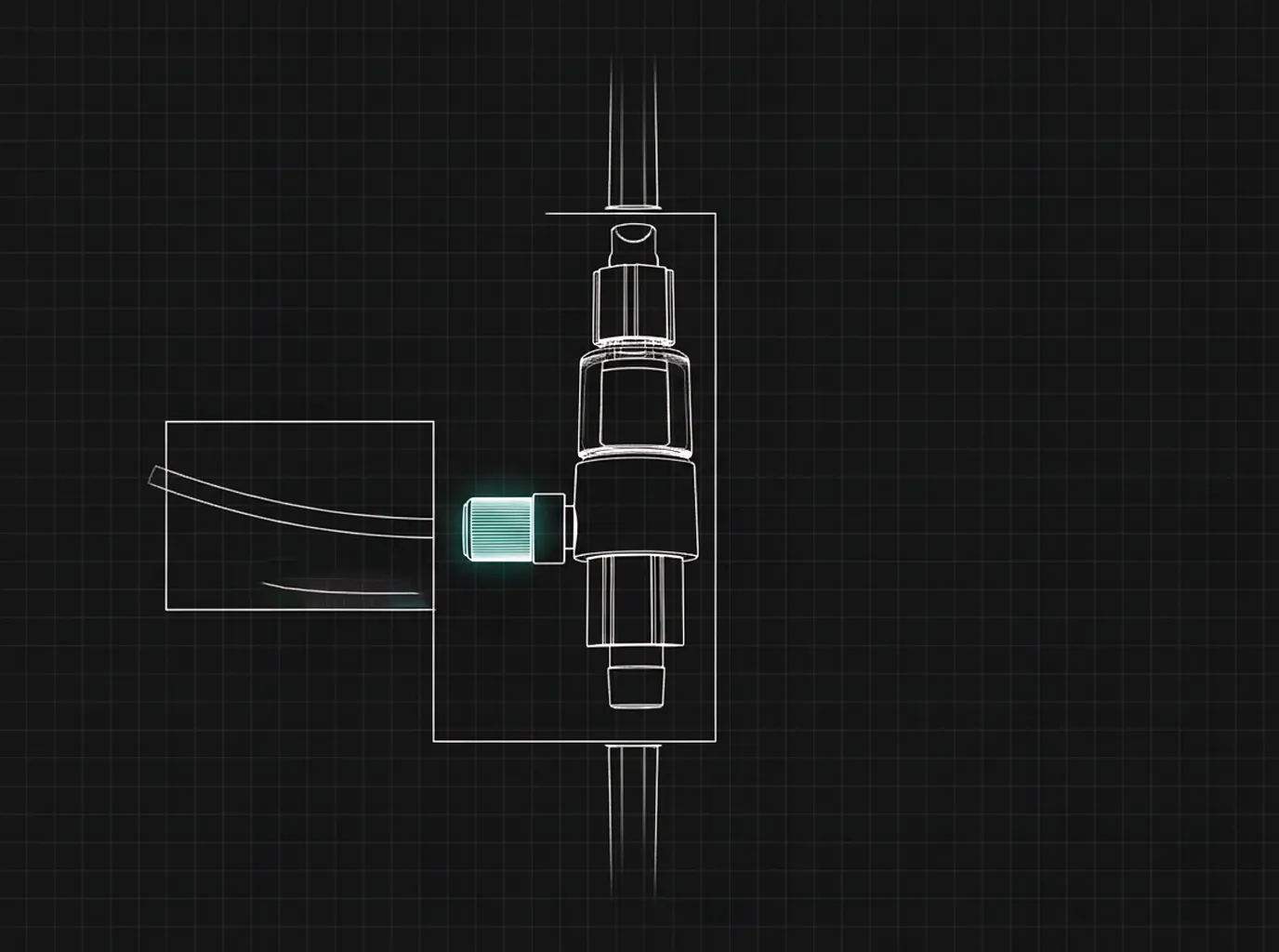
An inline diffuser works differently. It sits on the filter outflow hose and dissolves CO2 under pressure before the water reenters the tank. You may see little to no visible bubbles at all.
In practice, both systems attempt to widen the same constraint. They try to increase how much injected gas actually dissolves and remains stable long enough for plants to use it.
This is the real issue. Not the bubbles themselves.
Why It Happens
In planted tanks with strong light, plants consume carbon rapidly during the photoperiod. If dissolved CO2 falls behind demand, growth stalls and algae exploits the imbalance.
This is usually the point when aquarists begin experimenting with diffusion methods.
Mist systems increase in tank contact time by flooding the water column with microbubbles. Inline systems increase dissolution efficiency by forcing gas into water under pressure before release.
The core limitation remains the same. Dissolved CO2 must match plant uptake rate across the entire tank.
This is why the debate exists at all. The bottleneck is dissolution efficiency and distribution stability.
How To Diagnose It
When carbon delivery is inefficient, you will often notice plants near the diffuser growing well while distant areas lag behind. Carpets may thin out. Stems may twist toward flow.
In most tanks, uneven growth reveals distribution limitation rather than total CO2 absence.
Observe bubble behavior. Do bubbles rise straight up and escape quickly, or do they circulate visibly around the tank?
Measure pH drop from degassed baseline to peak injection. A consistent 1.0 drop under stable KH usually indicates adequate dissolved CO2.
If pH drop is inconsistent day to day, the issue is stability rather than total injection rate.
This is where mist versus inline becomes a system decision, not a visual preference.
How To Fix It (Beginner-Friendly)
When diffusion feels weak, start by identifying where the loss occurs.
In most tanks running mist diffusers, ceramic pores gradually clog with biofilm. Bubble size increases. Dissolution efficiency drops. Cleaning the disc restores performance.
You will often notice finer mist immediately after cleaning. Growth improves within days.
Inline systems rarely show visible change because dissolution happens before entry. However, inline units can accumulate debris internally, reducing efficiency over time.
If flow decreases or pH drop weakens without changing bubble rate, inspect the inline unit.
In practice, improving circulation often enhances both systems more than increasing injection.
This explains why adjusting flow direction or turnover sometimes fixes what appears to be a CO2 problem.
Prevention Strategy
In planted tanks with stable growth, carbon delivery feels invisible. Plants pearl evenly. Algae pressure remains low.
To maintain that stability, focus on consistency rather than maximum injection.
Clean diffusion components regularly. Maintain stable injection timing relative to lights. Avoid sudden large changes in bubble rate.
Almost always, algae outbreaks follow inconsistent CO2 rather than insufficient CO2.
This is why stability outranks raw output.
System Interactions
Light
High light increases carbon demand sharply. Under intense lighting, inefficiency in dissolution becomes obvious quickly.
CO2
Mist systems may require higher injection rates to compensate for visible escape. Inline systems may achieve similar dissolved levels with lower bubble rates due to pressure mixing.
This explains why bubble count comparisons between systems are meaningless.
Nutrients
Carbon limitation under high nutrients creates imbalance. Efficient diffusion reduces that risk.
Substrate
Dense plantings and hardscape can block circulation. Even strong mist can fail if flow pattern is poor.
Filtration
Inline diffusers integrate directly with filtration. Turnover rate influences dissolution and distribution.
Stability
Mist can produce localized high concentration near the diffuser. Inline tends to distribute more evenly if flow is strong.
Reconnect to the core model: dissolution and distribution define the carbon stability ceiling.
Advanced: Mechanism & Biology
CO2 dissolves according to Henry's Law. Increased pressure and contact time improve dissolution rate.
Mist diffusers increase surface area through microbubble production. However, bubble rise speed limits contact duration.
Inline diffusers dissolve CO2 under pressure inside a confined chamber. Gas remains trapped longer, increasing equilibrium before release.
Plants require dissolved CO2, not visible bubbles. Uneven distribution leads to localized carbon starvation.
This explains why visible mist does not always equate to better growth.
Advanced: System Stability Analysis
Think of CO2 delivery in three layers.
Layer 1 is dissolution efficiency. Layer 2 is distribution across the tank. Layer 3 is daily injection stability.
Mist excels at visual feedback but can suffer from distribution loss if flow is weak. Inline excels at dissolution efficiency but depends heavily on filter turnover.
In most tanks, the optimal system is the one that achieves stable pH drop with even plant response and no livestock stress.
This is usually where the debate ends. The better method is the one that widens your tank’s carbon stability envelope.
Common Myths
Mist is always less efficient. Not necessarily. With strong circulation, mist can perform extremely well.
Inline diffusers never waste CO2. Surface agitation can still remove dissolved gas.
Visible bubbles mean wasted gas. Small bubbles still dissolve partially during circulation.
Higher bubble rate fixes distribution issues. Distribution must be addressed directly.
FAQ
Is mist harmful to fish. Stable dissolved CO2 is what matters. Microbubbles themselves are not inherently harmful.
Does inline save CO2. Often yes, due to improved dissolution efficiency, but system design matters.
Which works better in large tanks. Inline systems often scale more efficiently with high turnover filtration.
Can I combine both. Rarely necessary. Improving one system’s efficiency usually solves the issue.
How do I know which is right for me. Observe plant growth distribution, measure pH stability, and monitor fish behavior.
Related Guides
CO2 Diffusers Guide
How Much CO2 Do I Need
CO2 Drop Checker Guide
CO2 Bubbles Per Second Explained
High Light vs Low Light Systems
Clean URL suggestion: /co2/co2-mist-vs-inline