
How to Lower pH in a Planted Tank Without Breaking
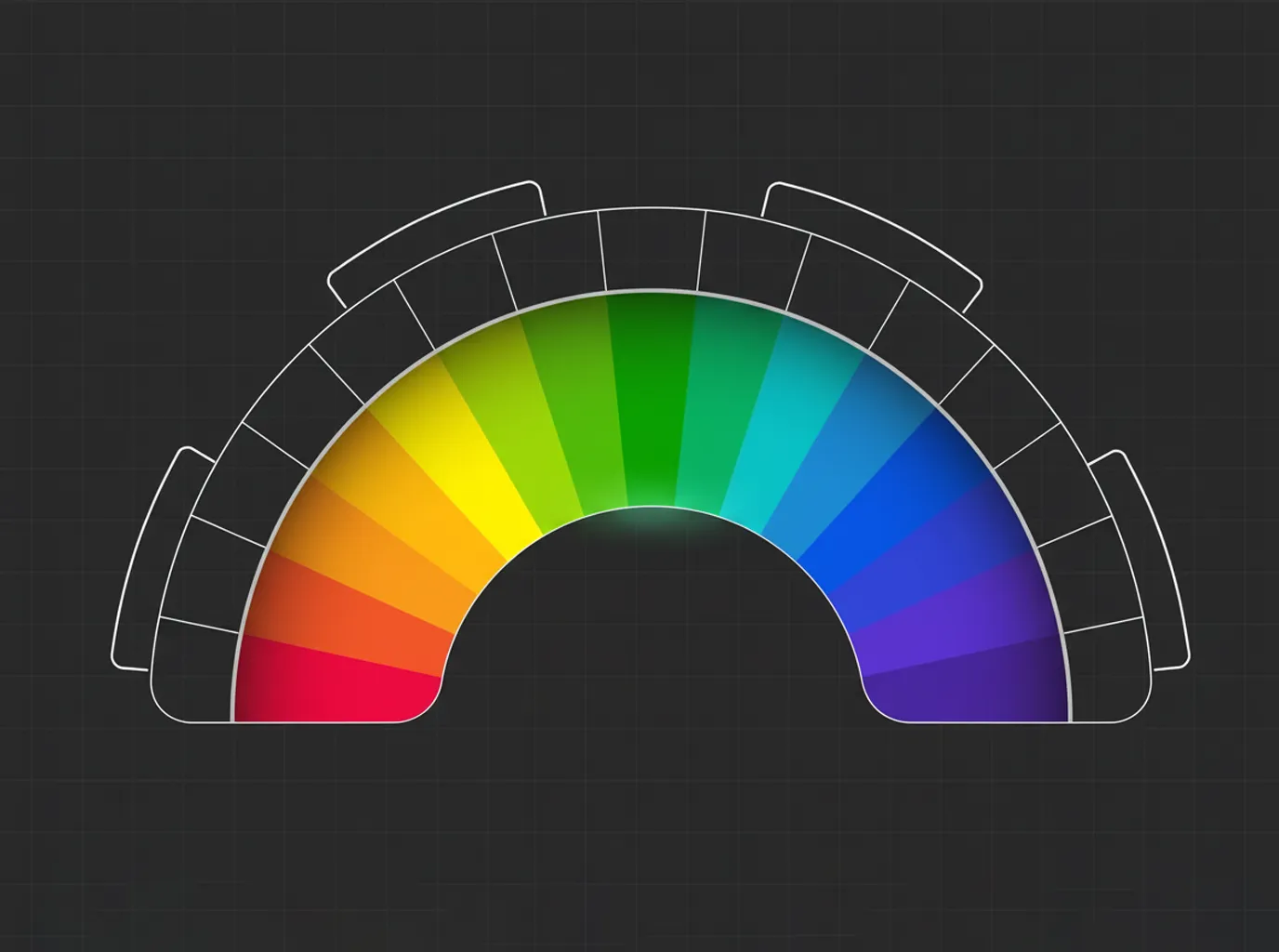
The single unifying system model governing this problem
Your planted tank is a carbonate buffering system. pH is the visible output of the balance between dissolved CO2, acids produced in the tank, and carbonate hardness (KH). When aquarists struggle to lower pH, they are not fighting a number. They are pushing against a buffering bottleneck.
If KH remains high, the system resists downward movement. If KH is stripped too quickly, pH becomes unstable. Sustainable pH change only happens when buffering capacity and acid input are aligned.
Everything in this guide maps back to that one constraint: pH can only be lowered safely by managing the buffering ceiling.
Quick Summary (Beginner)
If your pH feels too high for your fish or aquascape goals, the real lever is KH, not bottled “pH down.”
In most tanks, high KH holds pH steady. Adding acids drops pH briefly, then the buffer pulls it back. That creates swings. Fish tolerate slightly high pH far better than instability.
This explains why quick fixes often make things worse.
To lower pH safely, you reduce KH gradually using RO dilution or buffering substrates, or you increase controlled CO2 within a stable KH range. The goal is not chasing a perfect number. The goal is controlled equilibrium.
What Is Actually Happening When pH Reads High
When you look at your test and see 7.8 or 8.2, it feels like something is wrong. The number appears isolated.
In planted tanks, that number is the result of carbonates neutralizing acids. KH represents bicarbonate and carbonate ions that absorb hydrogen ions. That buffering prevents rapid change.
If you have ever added a commercial pH reducer and watched the pH fall, then rebound within hours, you have already seen the buffering system in action.
The water was not ignoring you. The carbonate reserve was absorbing the acid.
This is why lowering pH is never about forcing acidity. It is about adjusting the buffering ceiling so equilibrium settles lower.
Reconnect to the model: the buffering bottleneck defines how far pH can move safely.
Why Aquarists Want to Lower pH
In planted tanks, pH usually becomes a concern for three reasons.
First, soft water fish may prefer lower pH ranges. Second, high KH limits CO2 efficiency in high tech aquascapes. Third, tap water may be very alkaline.
In most tanks, the motivation is stability for sensitive species or improved CO2 performance.
You will often notice that CO2 injection struggles to move pH meaningfully when KH is high. That is because bicarbonate buffers neutralize carbonic acid formed by dissolved CO2.
This explains why CO2 charts show different drop values depending on KH. Buffering capacity determines response.
Lowering pH sustainably means adjusting that capacity, not overpowering it.
Why Quick Fixes Fail
When this starts appearing, many aquarists reach for acid based products.
If you add acid to buffered water, pH drops temporarily. The carbonate buffer absorbs hydrogen ions, converting bicarbonate to carbonic acid. Once the added acid is consumed, the equilibrium shifts back upward.
Almost always, repeated dosing creates oscillation. Fish experience swings rather than a stable new level.
This is why chemical reducers feel unpredictable. They treat the symptom, not the buffering bottleneck.
Reconnect again to the model: as long as KH remains unchanged, the system resists lasting pH reduction.
How To Diagnose Your Buffer System
Before changing anything, you need to see the whole equilibrium picture.
In most tanks, testing only pH gives incomplete information. Test KH alongside pH. If KH is above 6 dKH, the buffering ceiling is strong. If KH is under 2 dKH, the ceiling is fragile.
You will often notice that tanks with high KH show minimal pH fluctuation across the day. Tanks with very low KH show wider swings, especially with CO2 injection.
This is usually the point when aquarists realize pH control is not independent. It is tied directly to carbonate hardness.
Understanding your KH tells you how much resistance you are pushing against.
How To Lower pH Safely
Lowering pH safely means adjusting one of two levers: buffering capacity or controlled acid input. Both must be stable.
Reducing KH with RO Water
In most tanks with high tap water KH, dilution with reverse osmosis water is the most controlled path.
RO water contains virtually no carbonates. Mixing RO with tap water reduces overall KH proportionally. As KH drops, the buffering ceiling lowers. The equilibrium pH settles lower naturally.
In practice, gradual dilution over multiple water changes prevents shock. A sudden drop in KH can destabilize pH, especially in tanks already running CO2.
This is why slow reduction matters. Stability widens when change is predictable.
Reconnect to the model: by lowering KH, you lower the buffering bottleneck itself.
Using Active Substrate
When you set up tanks with active soils, you may notice pH naturally stabilizing around 6.0 to 6.5.
Active substrates exchange cations and absorb carbonates, reducing KH over time. This lowers buffering capacity and allows pH to sit lower without chemical forcing.
Almost always, tanks built this way show gradual, predictable pH curves rather than swings.
This explains why aquascapes built for soft water species often rely on active soil instead of bottled acids.
Controlled CO2 Injection
If KH is moderate, increasing CO2 lowers pH by forming carbonic acid.
In most high tech tanks, aquarists intentionally aim for a 1.0 pH drop during the photoperiod as a sign of sufficient dissolved CO2.
However, CO2 does not remove buffering capacity. It works within it.
If KH is very high, CO2 must be pushed aggressively to lower pH, which risks fish stress. If KH is extremely low, CO2 can cause rapid swings.
This is why CO2 based pH control only works safely inside a known KH range.
Reconnect again: CO2 shifts equilibrium within the buffer system. It does not replace mineral management.
Natural Acid Sources
Some aquarists use driftwood, botanicals, or peat to lower pH.
These release tannins and organic acids. In buffered water, their impact is modest. In low KH systems, their impact is stronger.
You will often notice amber tint before you notice major pH movement.
In practice, botanicals are mild modifiers, not primary control tools, unless KH is already low.
Prevention Strategy
If your goal is long term pH control, prevention means designing the system around predictable buffering.
In most tanks, stability beats perfection. A stable 7.4 is safer than a fluctuating 6.6.
Maintain consistent water source mixing. Test KH periodically. Avoid sudden large swings in dilution ratios.
When adjusting, move slowly. Fish tolerate gradual shifts far better than rapid ones.
This is what causes most pH related stress. The shift is too fast, not necessarily too large.
Reconnect once more to the model: sustainable pH lowering only happens when buffering capacity is intentionally controlled and held steady.
System Interactions
Lowering pH affects more than just the number on the test kit.
Light
High light increases plant metabolism. Increased metabolism raises CO2 demand. When CO2 demand rises, pH fluctuation becomes more noticeable in low KH systems.
This explains why high light aquascapes feel more sensitive to pH instability.
CO2
CO2 is both a plant nutrient and a pH modifier. In low KH water, small adjustments produce larger pH changes.
In most tanks, safe CO2 management requires understanding KH first.
Nutrients
pH affects nutrient availability. Extremely high pH can limit iron solubility. Extremely low pH can alter microbial activity.
However, nutrient lockout is usually exaggerated compared to stability concerns.
Substrate
Active substrates gradually lower KH and stabilize lower pH ranges. Inert substrates do not.
You will often notice pH creeping upward in inert substrate tanks with high KH source water.
Filtration
Nitrification produces acid slowly over time. In low KH systems, this can gradually reduce pH further unless buffered.
This is why very soft water tanks require monitoring of long term drift.
Stability
Stability is the final lens. A stable buffer system keeps pH predictable across the day and across water changes.
An unstable buffer system creates daily oscillation or sudden crash risk.
Reconnect again: pH is a symptom. Buffer capacity defines the stability ceiling.
Advanced: Mechanism and Chemistry
Carbonate buffering works through equilibrium between carbonic acid, bicarbonate, and carbonate ions.
When acid is added, bicarbonate absorbs hydrogen ions, forming carbonic acid. When carbonic acid decomposes, CO2 is released. This reversible system resists change.
Lower KH means fewer bicarbonate ions available to absorb hydrogen. That lowers resistance to pH movement.
This explains why pure RO water can experience rapid pH shifts. There is little buffering protection.
In practice, the safest systems maintain moderate KH tailored to livestock needs, not zero.
Advanced: System Stability Analysis
Think of pH control in three layers.
Layer 1: Known KH baseline.
Layer 2: Controlled acid input through CO2 or natural processes.
Layer 3: Gradual adjustments without sudden dilution shifts.
When all three layers are stable, pH becomes predictable.
When KH is unknown, CO2 fluctuates wildly, or water changes alter dilution ratios drastically, instability appears.
This is why chasing numbers fails. Stability analysis succeeds.
Lowering pH is not about force. It is about designing equilibrium.
Common Myths
Lower pH is not automatically healthier. Species specific tolerance and stability matter more.
Bottled pH reducers are not long term solutions in buffered systems.
Zero KH is not universally ideal. It removes safety margin.
CO2 alone cannot overcome very high buffering safely.
FAQ
How fast can I lower pH safely? Gradual shifts over several water changes are safest. Avoid rapid multi point drops in a single day.
Is 8.0 pH dangerous? Not necessarily. Many species tolerate it if stable.
Can I rely on driftwood alone? Only if KH is already low. Otherwise, effect is mild.
What KH is ideal for lowering pH with CO2? Many planted tanks operate safely between 1 and 3 dKH, but livestock requirements vary.
Why does my pH bounce after water changes? Your source water likely has higher KH than the tank, raising buffering capacity again.
Related Guides
Understanding GH and KH in Planted Tanks
RO Water for Planted Tanks
CO2 and pH Stability Explained
Active Soil vs Inert Substrate
Why Is My pH Swinging
Clean URL suggestion: /water/how-to-lower-ph