
Reef Tank Guide: How to Set Up and Maintain a
Quick Summary
A reef tank is a saltwater aquarium designed to support living corals, invertebrates, and fish in a closed system that mimics natural reef conditions. It is one of the most rewarding and demanding types of aquarium you can keep.
If you are considering your first reef tank, here is what matters most:
- Stability over perfection. Reef organisms tolerate a range of parameters, but they do not tolerate swings.
- Water chemistry is the foundation. Salinity, alkalinity, calcium, and magnesium are the four pillars that keep coral alive.
- Lighting drives coral biology. Corals depend on photosynthetic organisms inside their tissue, and light quality determines whether those organisms thrive or die.
- Patience is non-negotiable. A reef tank takes months to mature. Rushing livestock additions is the most common cause of early failure.
This guide covers everything from choosing a tank to long-term maintenance, and it is structured to work whether you are planning your first reef or refining a system that already exists.
What Makes a Reef Tank Different
Most aquarists notice the difference between a reef tank and a freshwater setup within the first week. In a freshwater tank, the water is relatively forgiving. In a reef system, the water itself is the life support. Every organism in the tank depends on precise chemical balance, and the equipment exists to maintain that balance around the clock.
A reef tank is not just a saltwater fish tank with corals added. The corals themselves are the central organism. Fish play a supporting role. The entire system, from flow patterns to lighting schedules to nutrient export, is designed to keep coral tissue healthy and growing.
This is why reef keeping demands a different mindset. You are not managing a tank of fish. You are managing a chemical and biological system where coral health is the primary indicator of success.
How to Choose Your Reef Tank
When you walk into a shop or browse online, the number of tank options can feel overwhelming. In practice, the best reef tank is the one that matches your space, budget, and the type of coral you want to keep.
Here is what to consider when choosing a tank:
- Volume. Larger tanks are more stable. A 40-gallon breeder is often recommended as a practical minimum for beginners. Nano reefs (under 20 gallons) are possible but less forgiving of mistakes.
- Dimensions. Wider tanks with more surface area are better for coral placement and gas exchange. Depth matters for lighting penetration.
- Glass vs. acrylic. Glass resists scratching and is cheaper. Acrylic is lighter and allows custom shapes. Either works for reef keeping.
- Sump or no sump. A sump (a secondary tank connected below the display) gives you space for equipment, increases total water volume, and makes maintenance easier. Almost every serious reef setup uses one.
You will often notice that experienced reefers prioritize simplicity over complexity when choosing a tank. A clean, well-planned system with room for a sump outperforms a flashy all-in-one every time.
Essential Equipment for a Reef Tank
Before adding a single drop of saltwater, your equipment list needs to be complete. In most reef tanks, equipment failures cause more coral loss than disease or pests.
Here is the core equipment every reef tank needs:
- Return pump. Moves water from the sump back to the display. Size it for 5 to 10 times the tank volume per hour.
- Powerheads or wavemakers. Corals need turbulent, randomized flow. Dead spots in flow lead to detritus buildup and tissue recession.
- Heater. Reef tanks need stable temperature between 76 and 78 degrees Fahrenheit (24.4 to 25.6 Celsius). Use a quality heater with a reliable thermostat. A stuck heater can wipe out an entire tank overnight.
- Protein skimmer. Removes dissolved organic compounds before they break down into nitrate and phosphate. This is the primary nutrient export tool in most reef systems.
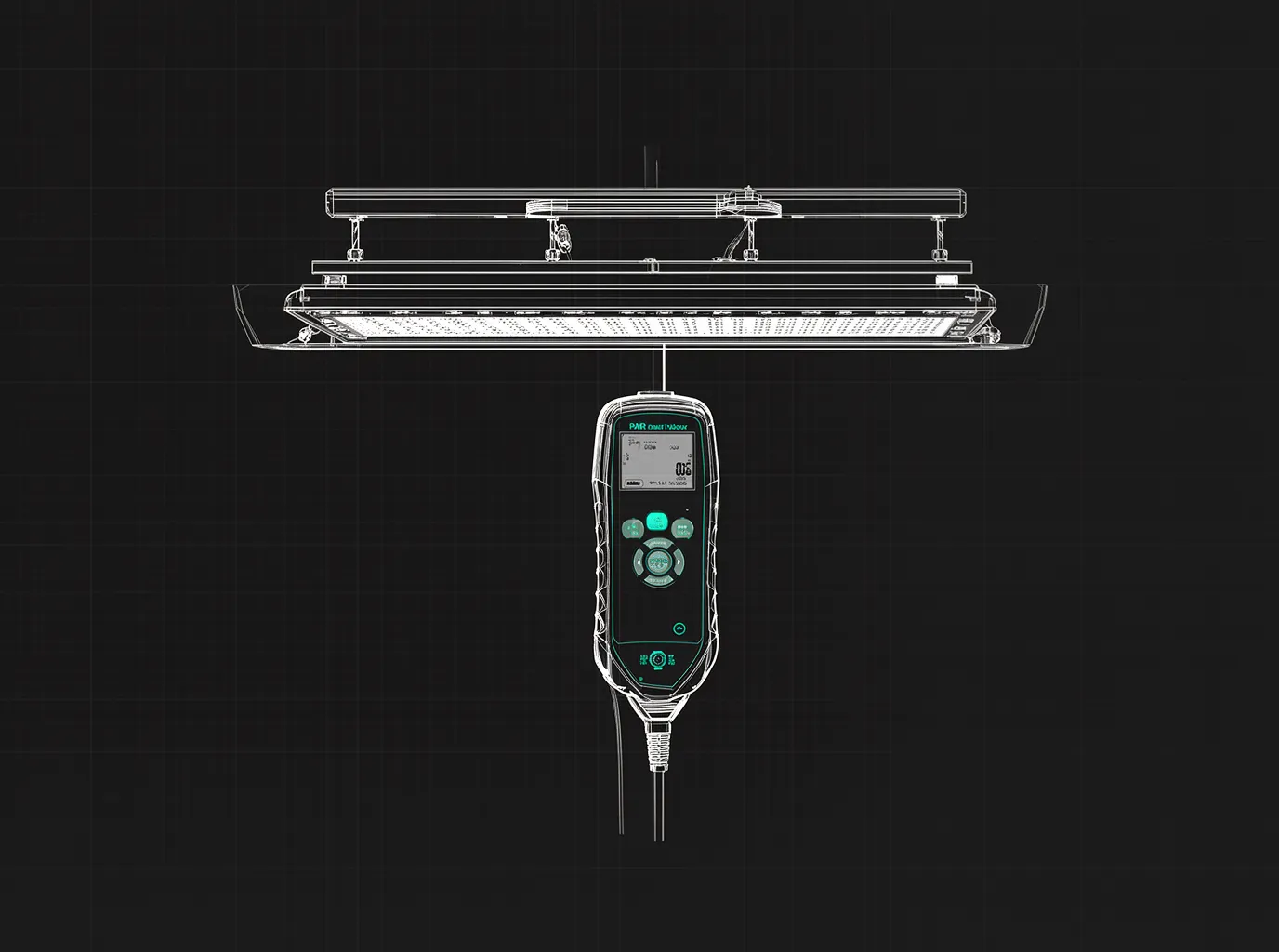
- Lighting. LED fixtures dominate modern reef keeping. Look for units that provide full-spectrum output with adjustable intensity. PAR (photosynthetically active radiation) values matter more than wattage or brand claims.
- Auto top-off (ATO). Evaporation raises salinity. An ATO system replaces evaporated water with fresh RO/DI water automatically, keeping salinity stable.
- RO/DI unit. Reverse osmosis and deionization filtering produces pure water free of chlorine, heavy metals, phosphates, and silicates. Tap water is not acceptable for reef tanks.
This is where many beginners underestimate cost. The equipment for a reef tank often costs more than the tank itself. Cutting corners on equipment almost always leads to problems later.
Water Chemistry: The Foundation of Reef Keeping
If you have ever kept a freshwater tank, the shift to reef water chemistry can feel daunting. In a planted freshwater tank, you manage pH, GH, and KH. In a reef tank, the parameter list is longer and the tolerances are tighter.
Here are the core parameters every reef keeper must monitor and maintain:
- Salinity. 1.025 to 1.026 specific gravity (35 ppt). Measured with a refractometer, not a hydrometer. Consistency matters more than hitting an exact number.
- Alkalinity (dKH). 7 to 11 dKH. This is the single most important parameter in reef keeping. Alkalinity is consumed by coral calcification. When it drops or swings, corals stress and can die.
- Calcium (Ca). 380 to 450 ppm. Corals use calcium to build their skeleton. Calcium and alkalinity are chemically linked, and dosing one without the other causes imbalances.
- Magnesium (Mg). 1250 to 1400 ppm. Magnesium stabilizes the relationship between calcium and alkalinity. If magnesium is low, you cannot maintain stable calcium and alkalinity no matter how much you dose.
- Temperature. 76 to 78 degrees Fahrenheit. Stability is critical. Even a 2-degree swing over a few hours can trigger coral stress.
- Phosphate (PO4). Below 0.1 ppm for most reef tanks. Elevated phosphate inhibits coral calcification and fuels nuisance algae.
- Nitrate (NO3). 1 to 10 ppm. Ultra-low nitrate (below 1 ppm) can starve corals. Elevated nitrate (above 20 ppm) stresses them. Some nitrate is beneficial.
This is why alkalinity testing becomes a daily habit for most reefers. It is the parameter that changes fastest, tells you the most about your system, and causes the most damage when ignored.
The Calcium-Alkalinity-Magnesium Triangle
In most reef tanks, the relationship between calcium, alkalinity, and magnesium determines whether corals grow or decline. These three parameters are chemically interdependent, and managing them as a system is one of the core skills of reef keeping.
Corals pull calcium and carbonate (alkalinity) from the water to build their aragonite skeleton. As they do, both values drop. Magnesium acts as a stabilizer, preventing calcium and carbonate from precipitating out of solution before corals can use them.
This is what causes the classic beginner frustration: you dose calcium, but alkalinity drops. You dose alkalinity, but calcium crashes. In practice, this happens because magnesium is too low to keep the system in balance.
The solution is to test all three, bring magnesium to the correct range first, then balance calcium and alkalinity together. Most reefers use a two-part dosing solution (calcium chloride and sodium bicarbonate/carbonate) or a calcium reactor for this purpose.
Lighting for a Reef Tank
Most aquarists are surprised by how much lighting matters in a reef tank. Corals are not just decorative. They contain symbiotic algae called zooxanthellae that photosynthesize and provide the coral with energy. Without appropriate light, these algae die, and the coral bleaches.
Modern reef lighting is almost exclusively LED. When selecting a light, the specifications that matter are:
- PAR output. Soft corals need 50 to 150 PAR. LPS corals thrive at 100 to 250 PAR. SPS corals demand 250 to 450+ PAR.
- Spectrum. Reef lights emphasize blue wavelengths (420 to 480 nm) because these penetrate water effectively and drive photosynthesis in zooxanthellae. White channels add visual appeal but are less biologically critical.
- Spread and coverage. Ensure the light covers your entire tank footprint. Dark corners mean dead coral.
- Controllability. Programmable lights let you ramp intensity up and down, simulating a natural photoperiod. Abrupt on/off lighting stresses corals and promotes algae.
This is usually the point when new reefers realize they cannot simply buy the brightest light available. Too much PAR too quickly bleaches corals just as effectively as too little. The key is matching light intensity to coral type and acclimating gradually.
A good starting approach for a mixed reef is to set PAR at around 150 to 200 at the sandbed, with higher values on rock structures where SPS corals will be placed. Run the lights for 8 to 10 hours per day with a 30 to 60 minute ramp up and ramp down period.
Cycling a Reef Tank
Before any coral or fish enters the tank, the biological filtration must be established. This process, called cycling, allows beneficial bacteria to colonize surfaces and convert ammonia to nitrite and then to nitrate.
In a reef tank, cycling typically takes 4 to 8 weeks. Here is how it works:
- Set up the tank with saltwater mixed to 1.025 specific gravity, live rock or dry rock, and sand. Start all equipment.
- Add an ammonia source. Dry rock systems need a source of ammonia to feed bacteria. A small piece of raw shrimp or pure ammonia works.
- Monitor ammonia and nitrite. Ammonia will spike first, followed by nitrite. Both should eventually drop to zero.
- Nitrate will rise. This confirms the cycle is progressing. A large water change at the end of the cycle brings nitrate down before adding livestock.
- Confirm the cycle is complete. Ammonia and nitrite at zero, nitrate present but manageable. The tank is ready.
In practice, many reefers use bottled bacteria products to accelerate cycling. These can shorten the process to 2 to 3 weeks, but they do not eliminate the need for patience and testing.
If you have ever rushed through a cycle and added coral too early, you already know the result: tissue recession, bleaching, and losses that feel avoidable in hindsight. The cycle is not optional. It is the biological foundation of your entire system.
Live Rock and Aquascaping
Live rock is the structural and biological backbone of a reef tank. In most reef systems, it provides the majority of biological filtration surface area, creates habitat for corals and invertebrates, and defines the visual layout of the display.
When building your aquascape, consider these principles:
- Create open structures. Stacked rock with caves, arches, and open channels allows water to flow through the entire structure. Solid walls of rock create dead spots where detritus accumulates and oxygen levels drop.
- Leave space for coral growth. Corals grow outward and need room to expand without touching neighbors. Placing frags too close together leads to chemical warfare between species.
- Secure the structure. Use reef-safe epoxy or cement to bond rocks. A collapsing aquascape can crack glass, crush livestock, and destroy months of coral growth.
- Plan placement zones. High-light zones at the top for SPS. Mid-level ledges for LPS. Shaded areas and the sandbed for soft corals and mushrooms.
Almost always, the best aquascapes are simpler than you expect. One well-structured island or two connected pillars with negative space looks better and functions better than a wall of rock filling the tank.
Choosing Corals for Your Reef Tank
Early on in reef keeping, the temptation is to buy every coral that catches your eye. This is usually where problems start. Coral compatibility, light requirements, flow preferences, and aggression levels all matter, and ignoring them leads to losses.
Corals broadly fall into three categories:
Soft Corals (beginner-friendly)
- Mushrooms, leathers, zoanthids, green star polyps
- Tolerate a wide range of light and flow
- Grow quickly and are forgiving of parameter swings
- Good first corals for new reef keepers
LPS Corals (intermediate)
- Torch corals, hammers, frogspawn, acans, brain corals
- Need moderate light (100 to 250 PAR) and moderate flow
- More sensitive to alkalinity swings than soft corals
- Many have sweeper tentacles that sting neighboring corals
SPS Corals (advanced)
- Acropora, Montipora, Pocillopora, Stylophora
- Demand high light (250+ PAR), strong flow, and rock-stable parameters
- The least forgiving group: they respond to instability with rapid tissue loss
- Only attempt SPS once your tank is mature (6+ months) and your parameters are consistently stable
This explains why experienced reefers recommend starting with soft corals and a few hardy LPS. Build your skills, stabilize your system, and add SPS only when you have proven you can maintain consistent chemistry over months, not days.
Fish Selection for Reef Tanks
Not every saltwater fish belongs in a reef tank. Some species eat coral. Others dig up sand, knock over frags, or harass invertebrates. Choosing reef-safe fish is essential.
In most reef tanks, the following fish families work well:
- Clownfish. Hardy, iconic, reef-safe. Pairs well with anemones but does not require one.
- Gobies. Small, peaceful, often beneficial (sand-sifting gobies help turn the substrate).
- Wrasses. Many species are reef-safe and eat pests like flatworms and pyramidellid snails. Fairy wrasses and flasher wrasses are popular choices.
- Tangs. Algae grazers that help control nuisance growth. Require larger tanks (75+ gallons minimum for most species).
- Blennies. Small, active, and reef-safe. Lawnmower blennies graze algae from rocks.
- Cardinalfish. Peaceful, low-bioload, and easy to keep in groups.
Avoid triggers, large angels, puffers, and most butterflyfish in reef tanks. These species frequently nip at or consume coral tissue.
Stock slowly. One or two fish at a time, with weeks between additions. Every new fish adds bioload, and sudden spikes in waste production can destabilize water chemistry.
Maintenance and Routine
Once a reef tank is running, consistency becomes the most important factor. In practice, most reef tank failures happen not because of a single catastrophic event, but because of gradual neglect: skipped water changes, infrequent testing, deferred equipment maintenance.
Here is a practical maintenance schedule:
Daily
- Check temperature and salinity
- Test alkalinity (especially if dosing)
- Top off evaporated water (or confirm ATO is functioning)
- Feed fish and corals
- Visually inspect coral health and equipment
Weekly
- 10 to 15 percent water change using properly mixed saltwater
- Clean glass or acrylic panels
- Empty protein skimmer collection cup
- Test calcium, magnesium, phosphate, and nitrate
Monthly
- Clean powerheads and pump intakes
- Inspect and replace filter media as needed
- Calibrate refractometer and test kits
- Check for pest organisms (aiptasia, flatworms, red bugs)
Quarterly
- Deep clean the sump
- Replace RO/DI filters and membranes
- Evaluate coral growth and adjust frag placement
- Review dosing rates against consumption trends
This is where reef keeping becomes a discipline rather than a hobby. The aquarists who succeed long-term are the ones who treat maintenance as routine, not reactive.
Common Mistakes in Reef Keeping
After spending time in reef keeping communities, you will notice the same mistakes appearing again and again. Most of them come from impatience or from applying freshwater logic to a saltwater system.
Here are the most common reef tank mistakes and how to avoid them:
- Skipping the cycle or rushing livestock. The nitrogen cycle is not negotiable. Adding coral to an uncycled tank is the fastest way to lose money and confidence.
- Chasing numbers instead of stability. A tank sitting at 8.5 dKH consistently will outperform a tank swinging between 7 and 10 every week. Stability matters more than hitting a "perfect" number.
- Overdosing. Adding supplements without testing is guessing. Test, calculate consumption, then dose. Never dose blind.
- Ignoring flow. Dead spots in flow create waste buildup and algae. Corals need randomized, turbulent flow, not a steady laminar stream pointing at them.
- Mixing incompatible corals. Corals engage in chemical warfare. Placing a leather coral next to an SPS colony releases terpenes that can kill the SPS within days.
- Using tap water. Tap water contains phosphates, silicates, chloramine, and heavy metals. All of these fuel algae and stress coral. RO/DI water is mandatory.
Advanced: System Stability and Long-Term Success
Once you move past the first few months, reef keeping shifts from setup to system management. The corals that survive the initial phase are now growing, consuming more calcium and alkalinity, and generating more biological waste. The system is maturing.
This is usually where reefers discover that their dosing rates need to increase as coral mass grows. A tank that needed 5 ml of two-part daily at six months may need 15 ml daily at eighteen months. If you do not adjust dosing to match consumption, alkalinity drifts downward and corals start to show stress.
Long-term reef stability depends on three principles:
- Test and adjust regularly. Parameters shift as coral mass increases. Monthly recalibration of dosing is normal.
- Maintain nutrient export. Protein skimming, water changes, and controlled feeding keep phosphate and nitrate in range. As bioload increases, export must scale with it.
- Observe before reacting. Not every change requires intervention. A coral that closes for a day is not an emergency. A coral that has been receding for a week warrants investigation.
In practice, the most successful reef tanks are the ones where the aquarist develops a feel for the system. You learn what normal looks like. You notice when something is off before the test kit confirms it. This pattern recognition is the real skill of reef keeping, and it only comes with time.
Common Myths
"You need a huge tank to keep a reef." Nano reefs under 20 gallons can support soft corals and small LPS successfully. Smaller tanks are less forgiving of mistakes, but they are not impossible. The key is more frequent testing and smaller, more consistent water changes.
"LED lights are all the same." LED quality varies enormously. Cheap LEDs often lack the spectrum and intensity that corals need. A budget LED that puts out 80 PAR at the sandbed will not grow SPS coral, no matter what the product listing claims.
"You need to add supplements every day from the start." A new tank with few corals consumes very little calcium and alkalinity. Regular water changes replenish what is used. Dosing becomes necessary only when consumption outpaces what water changes can replace.
"Reef tanks are too hard for beginners." Reef tanks demand more attention and investment than freshwater, but they are not beyond a motivated beginner. Start with soft corals, test regularly, and resist the urge to rush. The difficulty is overstated when the approach is methodical.
FAQ
How much does it cost to set up a reef tank? A basic 40-gallon reef setup, including tank, sump, lighting, skimmer, heater, powerheads, RO/DI unit, and initial livestock, typically costs between $1,500 and $3,000. Costs increase significantly with larger tanks and advanced equipment.
How long does it take to cycle a reef tank? Most reef tanks cycle in 4 to 8 weeks. Bottled bacteria can reduce this to 2 to 3 weeks, but testing must confirm that ammonia and nitrite have reached zero before adding livestock.
Can I keep a reef tank without a protein skimmer? Some nano reefers successfully run skimmerless systems using frequent water changes and refugiums for nutrient export. For tanks over 30 gallons, a protein skimmer is strongly recommended.
How often should I do water changes? Weekly water changes of 10 to 15 percent are standard. Some advanced reefers reduce frequency by using dosing systems and reactors, but water changes remain the simplest and most effective maintenance tool.
What is the best beginner coral? Mushroom corals, green star polyps, and zoanthids are the most forgiving corals for new reef keepers. They tolerate a range of lighting and flow conditions and recover quickly from minor parameter swings.
Do I need a sump? A sump is not strictly required, but it is highly recommended. It provides space for equipment, increases water volume (improving stability), and keeps the display tank visually clean.
How do I know if my coral is healthy? Healthy corals display full polyp extension, vibrant coloration, and visible growth over weeks and months. Signs of stress include retracted polyps, color loss (bleaching), tissue recession, and excess mucus production.