
Dinoflagellates in Reef Tank: Why They Appear and
Quick Summary
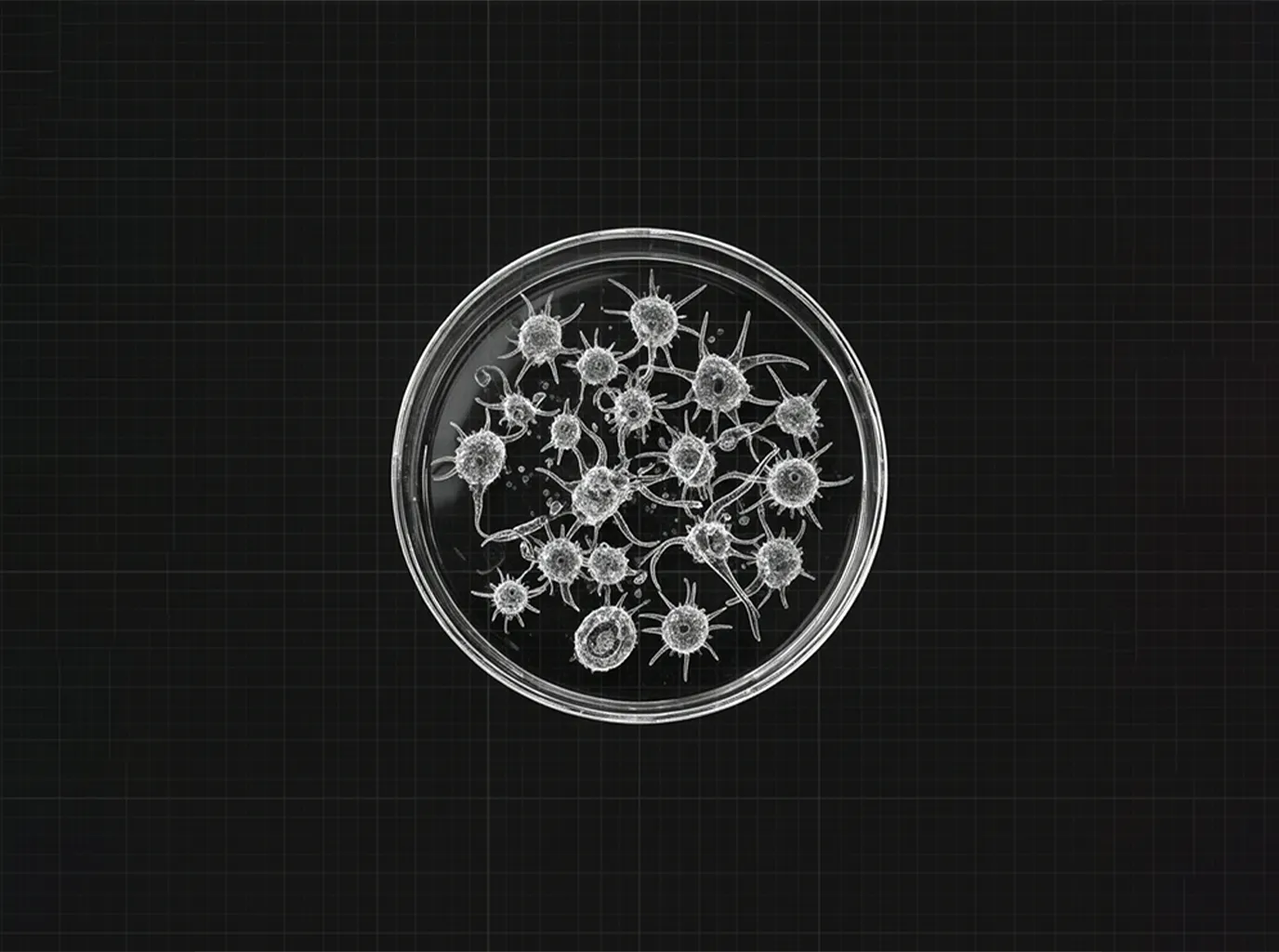
Dinoflagellates, commonly called dinos, are single-celled organisms that form slimy, stringy, bubble-producing mats across sand, rock, and even coral in reef tanks. They are not algae, though they are often mistaken for it. Dinos are one of the most persistent and frustrating problems in the hobby.
Here is what to know immediately:
- Dinos thrive in ultra-clean water. This is the opposite of most nuisance organisms. Lowering nutrients further makes them worse, not better.
- Identification matters. There are multiple species of dinoflagellates, and the treatment approach depends on which one you have.
- Standard algae fixes do not work. More water changes, more skimming, and more GFO often intensify a dino outbreak because they strip the nutrients that competing organisms need to suppress dinos.
- Dinos are beatable. It takes patience and a counterintuitive approach, but reef tanks recover from dinos routinely.
Why Dinos Break Every Rule You Have Learned
If you have been keeping a reef tank by the standard playbook, dinos will feel like a betrayal. You did everything right. You kept nutrients low, ran your skimmer aggressively, changed water religiously, and maintained pristine conditions. Then a brown, snotty film appeared on your sand, and nothing you do makes it go away.
This is the core frustration with dinoflagellates: they exploit the conditions that most reefers work hard to create. Ultra-low nitrate, ultra-low phosphate, aggressive nutrient export, and a sterile-feeling system are exactly the environment where dinos outcompete everything else.
In practice, most dino outbreaks happen after the aquarist has successfully beaten a different algae problem. They crushed hair algae or cyano by aggressively reducing nutrients, and within weeks, dinos appeared. The tank went from one problem to a worse one because the nutrient reduction that killed the algae also killed the microbial competition that was keeping dinos in check.
This is why understanding dinos requires abandoning the "cleaner is better" mindset. Dinos are not a cleanliness problem. They are a biodiversity problem.
How to Identify Dinoflagellates
Misidentification is common and costly. Treating dinos with standard algae protocols makes the problem worse. Before doing anything, confirm what you are actually dealing with.
Most reefers first notice dinos as a brown film on the sandbed or lower rock surfaces. At a glance, it looks like diatoms. The differences become obvious within a day or two.
Here is how to tell dinos apart from similar-looking organisms:
Dinoflagellates:
- Slimy, mucous-like texture that strings and stretches when disturbed
- Produce visible oxygen bubbles trapped within the strands during the light period
- Disappear or recede at night and return aggressively each morning
- Cannot be easily brushed away; they cling and smear
- Often have a golden-brown or amber colour
- Tend to appear in tanks with very low nutrients (nitrate below 2 ppm, phosphate below 0.03 ppm)
Diatoms:
- Dusty, powdery brown film
- Wipe off glass and surfaces easily
- Do not produce stringy mucous or trapped bubbles
- Common in new tanks (first 1 to 3 months)
- Do not cycle dramatically between day and night
Cyano:
- Red, maroon, or dark green slimy sheets
- Peels off in mats or ribbons
- Has a distinctive musty or earthy smell
- Favours low-flow dead spots
- Responds to standard nutrient export strategies
If you are still uncertain, the definitive test is microscopy. A drop of tank water with dino material under a basic microscope (even a phone-attached lens at 100x) reveals individual dinoflagellate cells, which are distinctly shaped with visible flagella. This is the gold standard for identification and also reveals which species you have.
The Species That Matter
Not all dinoflagellates are the same. The species determines severity, behaviour, and the most effective treatment. In reef tanks, three species account for the vast majority of outbreaks.
Ostreopsis
Ostreopsis is the most common dinoflagellate in reef aquariums. It forms the classic brown, snotty mats on sand and rocks with visible bubble production during the day. It cycles predictably with the light, retreating at night and blooming each morning.
Ostreopsis is persistent and irritating but responds well to the standard dino treatment protocol (covered below). Most successful dino recoveries in the hobby involve this species.
Amphidinium
Amphidinium tends to coat surfaces more uniformly and can appear slightly greenish-brown. It is generally less aggressive than Ostreopsis and often responds faster to biodiversity-based treatments.
In most tanks, Amphidinium outbreaks are shorter-lived and less severe. If your dinos are present but not overwhelming, Amphidinium is a likely candidate.
Prorocentrum
Prorocentrum is the most difficult species to deal with. It can produce toxins that directly harm corals and invertebrates, and it tends to be more resistant to the standard treatment approaches. Some strains are pelagic (free-floating in the water column), causing a persistent brown haze rather than surface mats.
If corals are showing stress alongside a dino outbreak, or if the water itself appears persistently cloudy with a brownish tint that does not settle, Prorocentrum is a possibility. This species warrants more aggressive intervention and possibly UV sterilization.
Why Dinos Appear: The Biodiversity Collapse
To understand why dinos take over, you need to understand what normally keeps them in check. In a healthy reef tank, the sand, rock, and water column support a diverse population of bacteria, microalgae, copepods, and other microorganisms. These organisms compete with dinoflagellates for space, light, and the small amount of nutrients available.
When nutrients crash to near-zero levels, this microbial ecosystem collapses. Bacteria starve. Competing microalgae die off. Copepod populations decline. The biological diversity that was suppressing dinos disappears, and dinos fill the vacuum.
This is what causes the counterintuitive pattern. The cleanest tanks get the worst dino outbreaks because there is nothing left to compete with them. Dinos are adapted to nutrient-poor environments. They can photosynthesize, they can feed heterotrophically (consuming other microorganisms), and some species can even fix nitrogen. They are survival specialists in exactly the conditions that kill their competitors.
This explains why every nutrient-reducing strategy makes dinos worse. More water changes dilute the nutrients that competitors need. More aggressive skimming strips dissolved organics that feed beneficial bacteria. More GFO removes the phosphate that competing microalgae require. Each intervention further simplifies the ecosystem in favour of dinos.
The solution is the opposite of what instinct suggests: you need to rebuild biodiversity, not increase sterility.
How to Beat Dinoflagellates
Eliminating dinos requires a multi-pronged approach that addresses the root cause (biodiversity collapse) while managing symptoms. This is not a quick fix. Most dino recoveries take 3 to 6 weeks of consistent effort.
Step 1: Stop Making It Worse
Before adding anything, stop the practices that are fuelling the outbreak.
- Stop running GFO. Phosphate removal is stripping nutrients from an already depleted system.
- Reduce water change frequency. Drop to every other week or even monthly while fighting dinos. Each water change replaces established water with sterile water.
- Do not reduce feeding. Your fish waste and uneaten food are producing the small amount of nutrients that competitors need to recover.
- Stop dosing carbon sources (vodka, vinegar, biopellets) if you are using them. Carbon dosing drives nutrients to near-zero, which is exactly where dinos thrive.
Step 2: Raise Nutrients Deliberately
This is the counterintuitive step that most reefers resist. Your target is to bring nitrate to 5 to 10 ppm and phosphate to 0.03 to 0.1 ppm.
Methods to raise nutrients:
- Feed more. Increase feeding frequency or volume slightly. Target feeding corals with amino acids and coral food adds nutrients directly.
- Dose nitrate and phosphate directly. Sodium nitrate and monopotassium phosphate (available as aquarium supplements) allow precise control. Raise levels gradually over several days, not all at once.
- Reduce export temporarily. Turn the skimmer off for a few hours per day or raise the collection cup to reduce how much it pulls.
In practice, raising nutrients feels wrong when you have a tank full of brown slime. But it is the foundation of the recovery. You are rebuilding the conditions that support the microbial ecosystem that was keeping dinos suppressed before they appeared.
Step 3: Introduce Biodiversity
With nutrients at a level that can support microbial life, the next step is to reintroduce the organisms that compete with dinos.
Effective biodiversity additions:
- Live phytoplankton. Dose live phyto (not dead or preserved) daily. Phytoplankton competes directly with dinos for light and nutrients, and it feeds the filter-feeding organisms that contribute to a balanced ecosystem.
- Copepods. Add live copepods (tisbe and tigriopus species). Copepods graze on dinos directly and contribute to the microbial food web.
- Beneficial bacteria. Products like Microbacter7 or similar reef-specific bacterial supplements introduce bacterial diversity. Dose daily during the outbreak.
- Live sand or live rock from a healthy tank. Borrowing a cup of sand or a small piece of rock from a fellow reefer's established, dino-free tank introduces a starter culture of the diverse microbiology you need.
This is usually the turning point. Within 1 to 2 weeks of consistent biodiversity dosing combined with elevated nutrients, most reefers notice the dinos becoming less aggressive each morning. The comeback is gradual, not sudden.
Step 3: Lights-Out Period
A 3-day blackout (tank completely covered, no light at all) can knock dinos back significantly. Dinoflagellates are highly dependent on photosynthesis, and a multi-day blackout depletes their energy reserves.
Important rules for a blackout:
- Cover the tank completely. Even ambient room light allows dinos to photosynthesize at a reduced rate.
- Keep all equipment running (skimmer, flow, heater).
- Do not feed fish during the blackout. Healthy fish tolerate 3 days without food.
- After the blackout, resume lighting at reduced intensity (50 percent) and ramp back up over a week.
A blackout alone rarely eliminates dinos permanently, but it reduces their biomass and gives competitors a window to establish. Combine it with biodiversity additions for the best results.
Step 4: UV Sterilization
A UV sterilizer is one of the most effective tools against dinoflagellates, particularly pelagic species that float in the water column. UV light kills dino cells as water passes through the unit, reducing the population that resettles on surfaces each day.
For dino treatment, use a UV sterilizer rated for your tank volume and run it 24 hours a day. Slower flow through the UV unit increases exposure time and kill rate. A properly sized UV sterilizer running during a dino outbreak can make a visible difference within days.
UV sterilization is not a standalone fix. It reduces dino numbers but does not address the biodiversity collapse that allowed them to dominate. Use it alongside nutrient elevation and biodiversity dosing.
Step 5: Manual Removal
While the biological recovery develops, reducing dino biomass manually helps corals and speeds recovery.
Effective manual removal for dinos:
- Siphon the sandbed during the late afternoon when dino mats are at their peak. Direct the siphon into a filter sock to capture the material while returning the water.
- Turkey baster blast dinos off rock surfaces and let the skimmer or filter sock capture them.
- Do not stir dinos into the water column aggressively. Gentle removal into a siphon is better than blasting them everywhere.
Manual removal reduces the population but must be repeated daily or every other day. It is symptom management, not a cure.
Timeline for Recovery
In most reef tanks, dino recovery follows this general timeline:
- Week 1: Stop nutrient reduction practices. Begin raising nutrients and dosing phyto, copepods, and bacteria daily. Dinos may initially appear worse.
- Week 2: Dino mats start thinning or recovering more slowly each morning. Biodiversity additions are beginning to compete.
- Weeks 3 to 4: Visible improvement. Dinos retreat to smaller patches. Competing microalgae and bacterial films begin appearing on surfaces.
- Weeks 4 to 6: Dinos largely eliminated. Coralline algae and normal biofilms reclaim surfaces. System feels stable again.
Some outbreaks take longer, particularly with Prorocentrum or in tanks that have been ultra-low nutrient for extended periods. Consistency in the treatment protocol matters more than intensity.
Preventing Dinos From Coming Back
Once you have beaten dinos, the goal is to never create the conditions for them again.
Long-term prevention strategies:
- Maintain detectable nutrients. Keep nitrate between 2 and 10 ppm and phosphate between 0.02 and 0.08 ppm. Never chase zero on either parameter.
- Dose phytoplankton regularly. Even after dinos are gone, weekly phyto dosing supports the microbial diversity that keeps them suppressed.
- Run UV sterilization as standard equipment. A UV sterilizer running continuously prevents small dino populations from ever building to outbreak levels.
- Avoid aggressive nutrient stripping. If you use GFO, use it conservatively and monitor phosphate to avoid crashing it below 0.01 ppm.
- Support a refugium. A refugium with chaetomorpha and a healthy copepod population is a biodiversity engine that makes the entire system more resilient.
Advanced: Dinoflagellate Biology and Why They Are So Hard to Kill
Dinoflagellates are eukaryotic organisms with capabilities that make them uniquely difficult to eliminate. They sit at the intersection of plant and animal biology, which gives them survival options that neither pure algae nor pure animals have.
Most dino species in reef tanks are mixotrophic. They can photosynthesize like plants when light is available, and they can feed heterotrophically like animals when light is not. This dual metabolism means that a simple blackout starves their photosynthetic pathway but does not eliminate their ability to feed on bacteria and other microorganisms in the dark.
Some species also produce cysts, dormant structures that can survive in the sandbed for months. These cysts are resistant to UV, chemical treatment, and environmental stress. When conditions become favourable again, the cysts germinate and restart the outbreak. This is why dinos sometimes appear to return weeks after a seemingly successful treatment.
This is what makes the biodiversity approach the only reliable long-term solution. You cannot kill every dinoflagellate cell and cyst in the system. But you can create an ecosystem where their competitors are strong enough to prevent them from ever reaching outbreak levels. The goal is suppression through competition, not eradication through sterilization.
Advanced: The Relationship Between Dinos and Coral Health
Dinoflagellates and corals share an ironic connection. The zooxanthellae that live inside coral tissue and power coral growth are themselves dinoflagellates (family Symbiodiniaceae). The dinos coating your sandbed are distant relatives of the organisms keeping your corals alive.
This relationship has practical implications. Some dino species produce allelopathic compounds that can irritate coral tissue, causing polyp retraction and reduced extension. Severe dino outbreaks with toxic species (particularly Prorocentrum) can contribute to coral stress and tissue recession.
However, the treatments for dinos, particularly nutrient elevation, are generally beneficial for coral health. Corals in ultra-low nutrient systems are often nutrient-starved themselves. Bringing nitrate and phosphate back to healthy levels frequently improves coral colour and growth simultaneously with dino elimination. Many reefers report that their corals look better after a dino recovery than they did before the outbreak.
Common Myths
"Dinos are just another type of algae." Dinoflagellates are protists, not algae. They have fundamentally different biology, different survival strategies, and different triggers. Treating them like algae makes them worse.
"Lower nutrients will starve dinos." The opposite is true. Dinos thrive in ultra-low nutrient environments. Reducing nutrients eliminates their competitors while barely affecting the dinos themselves. Raising nutrients is part of the solution, not the problem.
"A blackout will kill dinos." A 3-day blackout reduces dino biomass but rarely eliminates them permanently. Dinos can feed heterotrophically in the dark and produce dormant cysts that survive extended blackouts. A blackout is a useful tool, not a standalone cure.
"Dinos mean your tank is dirty." Dinos almost exclusively appear in tanks that are too clean. The outbreak is a symptom of over-sterilization and biodiversity collapse, not poor maintenance.
"Once you get dinos, you will always have them." Dinos are beatable. Thousands of reef tanks have recovered from dino outbreaks using the biodiversity approach. Recovery takes patience and consistency, but it works.
FAQ
How long does it take to get rid of dinoflagellates? Most dino outbreaks resolve in 3 to 6 weeks with consistent treatment (nutrient elevation, biodiversity dosing, UV sterilization). Severe or long-standing outbreaks may take 8 to 12 weeks. The key is consistency rather than intensity.
Can dinos kill coral? Some dino species produce toxins that irritate coral tissue, causing polyp retraction and stress. Severe outbreaks can contribute to coral decline, particularly in already-stressed colonies. However, the treatment protocol (raising nutrients, adding biodiversity) generally improves coral health simultaneously.
Should I remove my sand to get rid of dinos? Removing sand eliminates visible dino mats but does not address the underlying biodiversity collapse. Dinos can colonize rock and glass equally well. Fix the ecosystem, not the substrate.
Do UV sterilizers prevent dinos? A properly sized UV sterilizer running continuously is one of the best preventive tools against dinos. It kills free-floating dino cells before they can settle and bloom. Many reefers add a UV sterilizer as permanent equipment after recovering from a dino outbreak.
I had dinos, they went away, and now they are back. Why? Dinos produce dormant cysts that survive in the sandbed. If the conditions that triggered the original outbreak return (nutrient crash, biodiversity decline), the cysts germinate and restart the cycle. Long-term prevention requires maintaining nutrients above zero and supporting microbial diversity.
Can I use hydrogen peroxide to kill dinos? Hydrogen peroxide spot treatment can kill localized dino mats, but it also kills the beneficial bacteria and microorganisms you need to outcompete the dinos. It is counterproductive for a biodiversity-based recovery. Avoid it during dino treatment.
My nitrate and phosphate are zero but I do not have dinos. Should I worry? Not every ultra-low nutrient tank gets dinos, but the conditions are favourable. Consider gradually raising nutrients to a detectable range (nitrate 2 to 5 ppm, phosphate 0.02 to 0.05 ppm) and dosing phytoplankton weekly as preventive measures.