
Why New Tanks Get Diatoms: The Silicate Cycle No
Quick Summary
Within two to three weeks of setting up a new planted tank, a brown dusty film covers everything. Glass, substrate, hardscape, even plant leaves. You have been told this is normal, that it will go away on its own, and that you should just wait. Sometimes it does disappear after four to six weeks. Sometimes it persists for months.
The standard advice is incomplete. Diatoms do not appear randomly in new tanks. They appear because new tanks contain high levels of dissolved silicates, and the biological systems that normally consume silicates have not yet established. Waiting works only if your silicate source is temporary. If silicates are being continuously introduced through your substrate, tap water, or hardscape, diatoms will not resolve on their own no matter how long you wait.
What you need to know:
- Diatoms consume silicates that leach from new substrate, sand, rocks, and some tap water sources
- They dominate new tanks because bacteria and biofilm have not yet colonised surfaces to compete for silicates
- Standard advice to "wait it out" assumes silicate levels will drop naturally, which is not always true
- Persistent diatoms signal an ongoing silicate source that must be identified and managed
What's Actually Happening in Your New Tank
In the first 48 hours after filling a new tank, dissolved silicates begin leaching from substrate, sand, rocks, and any silica-based materials in the system. Glass itself can release trace silicates, though this is minimal compared to substrate sources. These silicates dissolve into the water column and remain suspended until something consumes them.
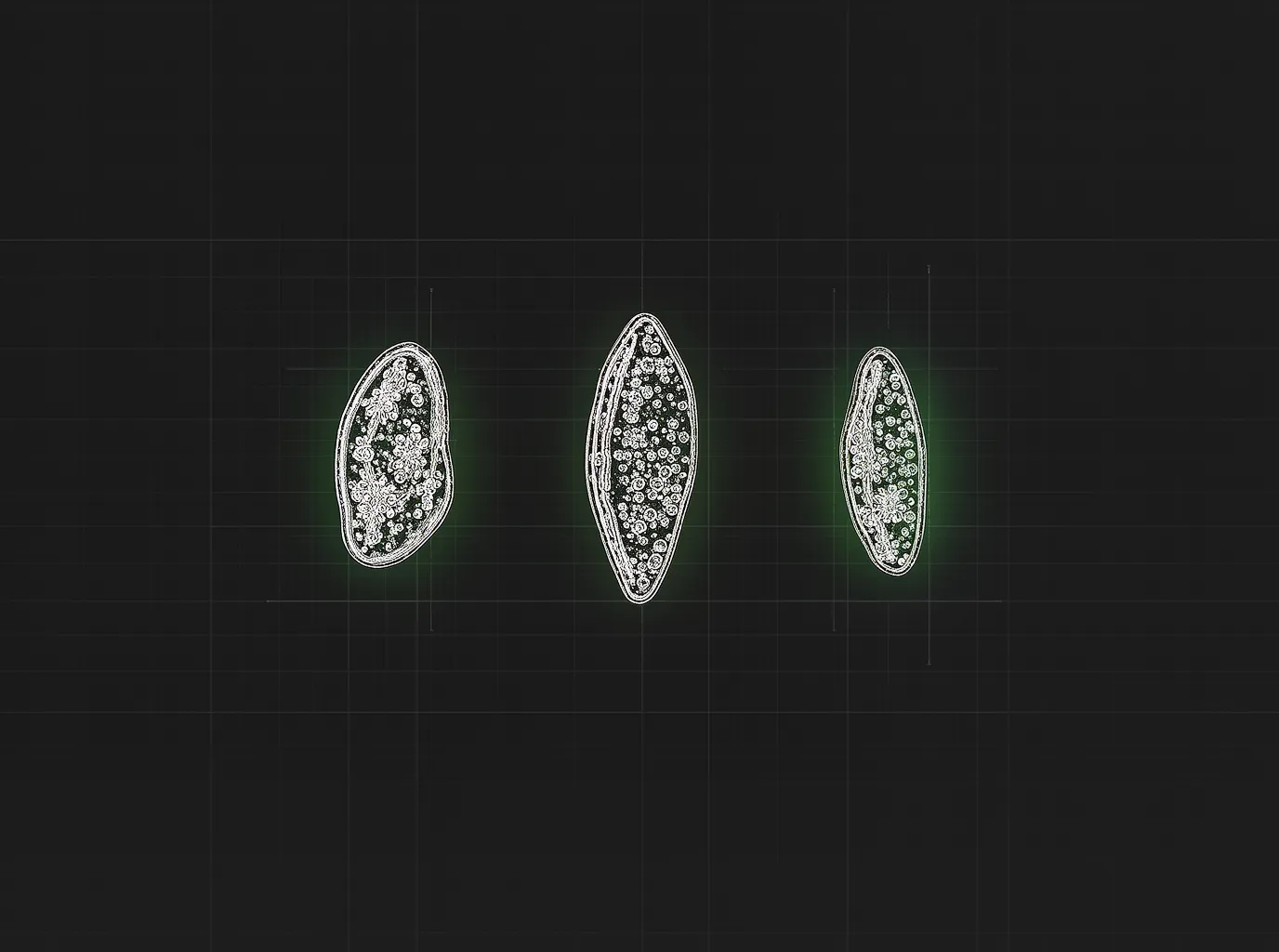
Diatoms are single-celled algae that use silica to build their cell walls. They are extraordinarily efficient at extracting dissolved silicates from water, far more so than plants or bacteria. In a new tank where silicate levels are elevated and microbial competition is minimal, diatoms colonise every available surface within days.
You will often notice the bloom beginning on the glass first, then spreading to hardscape, and finally coating plant leaves and substrate. This progression is not random. Diatoms prefer smooth, light-exposed surfaces where water flow delivers a steady supply of dissolved nutrients and silicates. Glass and polished rock provide ideal attachment points, while textured surfaces and low-light areas are colonised more slowly.
The bloom typically peaks between week two and week four, then begins to decline. This is usually the point when aquarists assume the problem is resolving naturally, but what is actually happening is more complex. The silicate supply is being depleted faster than it is being replenished, and competing microorganisms are beginning to establish on surfaces. Diatoms do not disappear because the tank "matured." They disappear because their primary resource became limited.
If silicates continue to leach into the water column at a rate equal to or greater than consumption, diatoms persist indefinitely. This is why some tanks clear within a month while others struggle with diatom blooms for three to six months or longer.
The Silicate Sources Everyone Overlooks
Most advice about diatoms focuses on patience, but it rarely addresses where the silicates are coming from. If you do not identify the source, you cannot predict whether the bloom will resolve or persist.
Substrate and Sand
The most common silicate source is substrate. Aquasoils, sand, and gravel all contain silica compounds that leach during the first several weeks after submersion. Pool filter sand, play sand, and silica-based sands are particularly high in leachable silicates. Even inert substrates like gravel release trace amounts during the initial curing period.
In planted tanks using nutrient-rich aquasoils, silicate leaching is compounded by the breakdown of organic matter in the soil. As the soil begins its initial decomposition phase, it releases not just ammonia and nitrates but also silicates bound within the organic matrix. This is why heavily planted tanks with rich substrates often experience more intense diatom blooms than minimalist hardscape tanks with inert sand.
Tap Water
Some municipal water supplies contain naturally occurring silicates, particularly in regions with high mineral content or where water is sourced from reservoirs with silica-rich bedrock. Silicate levels in tap water are rarely tested or reported, so most aquarists are unaware their water is contributing to the problem.
If your tap water contains 2 to 5 ppm silicates (a common range in many areas), every water change reintroduces silicates into the system. This creates a sustained low-level input that can extend diatom blooms far beyond the typical four to six week window. In extreme cases, tap water silicate levels of 10 ppm or higher make it nearly impossible to clear diatoms without switching to reverse osmosis (RO) water.
Rocks and Hardscape
Certain types of rock leach silicates continuously, even after months of submersion. Dragon stone, seiryu stone, and many sedimentary rocks contain silica compounds that dissolve slowly over time. Lava rock and some volcanic stones also contribute silicates, though typically at lower levels than sedimentary types.
In aquascapes with large amounts of hardscape, the cumulative silicate leaching from multiple rocks can sustain diatom growth long after substrate sources have depleted. This is why some tanks experience a second diatom bloom several months after the initial outbreak, particularly after water changes or when flow patterns shift and disturb settled sediment around rocks.
Silicate-Removing Filter Media
Ironically, spent silicate-removing filter media can become a silicate source. Products like Seachem PhosGuard and silicate-absorbing resins work by binding silicates chemically. Once saturated, these media can begin releasing previously bound silicates back into the water column if left in the filter too long. This creates a rebound effect where diatoms return shortly after seeming to clear.
Why "Just Waiting" Sometimes Fails
The standard advice is to let diatoms run their course because they will naturally deplete available silicates and then die off. This works in tanks where silicate input is temporary and finite. It fails in tanks where silicate input is ongoing or where microbial competition never fully establishes.
Continuous Silicate Input
If your substrate, rocks, or tap water continuously introduce silicates, waiting does not solve the problem. The diatoms will consume available silicates, reproduce, die, and release silicates back into the system through decomposition. This creates a self-sustaining cycle where the bloom may fluctuate in intensity but never fully resolves.
In practice, this looks like a diatom bloom that seems to clear for a week or two, then returns. Aquarists often interpret this as a new bloom, when it is actually the same bloom responding to fluctuating silicate availability. Each water change or substrate disturbance releases a fresh pulse of silicates, and diatoms respond within 48 to 72 hours.
Insufficient Microbial Competition
Diatoms dominate new tanks not just because silicates are available, but because biofilm and bacteria have not yet colonised surfaces to compete for nutrients. In mature tanks, surfaces are covered with microbial films that consume dissolved silicates and other nutrients before diatoms can access them. This competitive exclusion is what ultimately limits diatom growth, not silicate depletion alone.
If your tank develops slowly due to low bioload, infrequent feeding, or insufficient organic input, microbial colonisation lags behind silicate availability. Diatoms continue to dominate because they face no competition. This is why heavily planted tanks with active fish populations often clear diatoms faster than plant-only or lightly stocked tanks. The fish waste and feeding accelerate bacterial growth, which accelerates competitive exclusion of diatoms.
Light and Flow Interaction
Diatoms require light for photosynthesis, but they are remarkably efficient at low light levels. Reducing photoperiod or dimming lights slows diatom growth but rarely stops it entirely. In tanks with strong flow and high surface area exposure, diatoms receive enough light and nutrient delivery to sustain growth even under reduced lighting.
This is why diatoms often persist on filter outputs, the front glass, and hardscape edges even after they have cleared from plant leaves and low-flow areas. These high-flow surfaces receive continuous nutrient and silicate delivery, which allows diatoms to grow faster than they can be outcompeted or manually removed.
How to Actually Resolve Persistent Diatoms
Resolving diatoms requires identifying and managing silicate sources, accelerating microbial competition, and maintaining consistent removal until the system stabilises.
1. Test Silicate Levels
The first step is confirming silicate presence. Use a silicate test kit to measure levels in your tap water and tank water separately. If tap water contains more than 2 ppm silicates, it is contributing to the problem. If tank water contains more than 5 ppm, you have an active leaching source.
Test immediately after a water change, then again 48 hours later. If silicate levels increase between tests, substrate or hardscape is actively leaching. If levels remain stable or decrease, the primary source is your water supply.
2. Reduce Silicate Input
If tap water is the primary source, switch to RO or distilled water for water changes. Remineralise with appropriate buffers to maintain stable GH and KH. If RO water is not practical, use a silicate-removing resin in your filter. Replace the media every two to three weeks to prevent saturation and silicate rebound.
If substrate is the source, perform more frequent water changes during the first month to export leached silicates before diatoms can consume them. Aim for 30 to 40% water changes twice per week during the peak bloom period. This does not stop leaching, but it reduces accumulation.
If rocks are the source, consider removing the most porous or heavily colonised pieces. Soak them in a separate container with frequent water changes for two to four weeks, then return them to the tank once leaching slows. This is disruptive and not always practical, but it accelerates resolution in hardscape-heavy tanks.
3. Accelerate Microbial Colonisation
Introduce beneficial bacteria directly by adding bottled nitrifying bacteria or filter media from an established tank. This does not instantly clear diatoms, but it speeds up biofilm establishment and competitive exclusion.
Increase organic input by feeding fish more frequently (if present) or adding small amounts of liquid carbon or organic fertilisers. This seems counterintuitive, but it accelerates bacterial growth and biofilm formation, which ultimately limits diatom access to nutrients and silicates.
Avoid excessive cleaning during the first month. Scrubbing surfaces removes not just diatoms but also the developing biofilm that competes with them. Manual removal of diatoms from glass is fine, but leave hardscape and substrate largely undisturbed to allow microbial colonisation.
4. Maintain Consistent Manual Removal
Use a soft sponge or algae scraper to remove diatoms from glass every two to three days. This prevents accumulation and keeps the tank visually clear while waiting for systemic resolution. For hardscape, use a soft brush during water changes to dislodge loose diatom buildup without damaging developing biofilm.
For plant leaves, gently wipe affected leaves with your fingers during water changes. Diatoms attach loosely to smooth leaves and can be removed with minimal effort. Avoid aggressive scrubbing, which can damage delicate plant tissue.
5. Introduce Diatom Grazers
Otocinclus catfish, nerite snails, and Malaysian trumpet snails consume diatoms efficiently. They do not eliminate the bloom, but they significantly reduce visible accumulation and help break the cycle by consuming diatoms before they can reproduce and die back into the substrate.
Add grazers after the tank has been running for at least two weeks to ensure some biofilm and algae are present for them to feed on. Introducing them too early can result in starvation, as diatoms alone are often insufficient to sustain these species long-term.
System Maturation as the Real Resolution
Diatom blooms resolve not because they run out of food, but because the tank matures into a stable ecosystem where multiple organisms compete for silicates and other nutrients. This maturation process cannot be rushed, but it can be supported through proper management.
In mature tanks, biofilm coats every surface. This film is composed of bacteria, protozoa, fungi, and microorganisms that consume dissolved nutrients and silicates continuously. Diatoms cannot establish on surfaces already occupied by biofilm, which is why mature tanks rarely experience diatom blooms even when silicate levels are measurable.
The transition from diatom-dominated to biofilm-dominated typically occurs between week four and week eight in most tanks. During this transition, you will notice diatoms becoming patchier and easier to remove. New growth appears more slowly, and previously colonised surfaces remain clear for longer periods after cleaning. This is not because silicates are gone. It is because microbial competition has reached a threshold where diatoms can no longer dominate.
Once this threshold is reached, occasional diatom patches may still appear, particularly after large water changes, substrate disturbances, or equipment maintenance. These are temporary and resolve within days, not weeks. This is the sign that your tank has stabilised into a mature system.
Advanced: Diatoms as a Maturation Indicator
Experienced aquarists treat diatom blooms as a maturation timeline rather than a problem to eliminate. The presence, intensity, and duration of the bloom provide diagnostic information about substrate stability, microbial colonisation rates, and water chemistry.
A heavy diatom bloom that peaks around week three and clears by week six indicates normal silicate leaching and healthy microbial colonisation. This is the expected pattern in most planted tanks using aquasoils or nutrient-rich substrates.
A light or absent diatom bloom in a new tank can signal insufficient silicate availability, which may indicate that substrate is too inert or that microbial colonisation is unusually rapid due to heavy bioload. This is not necessarily better. Tanks that skip diatom blooms sometimes experience green dust algae or other blooms later as microbial balance shifts.
A diatom bloom that persists beyond eight weeks signals ongoing silicate input or delayed microbial colonisation. This requires investigation of tap water silicate levels, substrate leaching rates, or hardscape composition. Persistent diatoms are not a failure. They are feedback that something in the system needs adjustment.
Aquarists who understand this can use diatom patterns to predict tank stability. A tank that clears diatoms quickly and does not experience rebound blooms is likely to remain stable long-term. A tank that clears slowly or experiences multiple waves of diatoms may need closer attention to water chemistry and microbial balance in the months ahead.
Common Myths About Diatoms in New Tanks
Myth: Diatoms mean your tank is not cycled
Diatoms have no direct relationship to the nitrogen cycle. A tank can be fully cycled (zero ammonia, zero nitrite) and still have a heavy diatom bloom. Diatoms consume silicates and nutrients, not ammonia or nitrite. Their presence indicates silicate availability, not cycling status.
Myth: Diatoms are harmless and can be ignored
While diatoms are not toxic, heavy blooms can smother plant leaves and reduce photosynthesis. On slow-growing plants like Anubias or Java fern, thick diatom coatings can cause leaves to yellow and weaken. On carpet plants, diatoms can block light penetration and slow establishment. Ignoring the bloom is fine if plants are robust, but it can hinder growth in sensitive species.
Myth: Reducing light will eliminate diatoms
Diatoms are highly efficient at low light levels. Reducing photoperiod from eight hours to six hours may slow growth slightly, but it rarely eliminates the bloom. In many cases, reducing light weakens plants more than it weakens diatoms, which can worsen the overall balance.
Myth: Diatoms come from dirty substrate or poor water quality
Diatoms are not a sign of poor husbandry. They appear in pristine tanks with perfect water parameters as long as silicates are available. Clean, well-maintained tanks with new substrate will always experience diatoms unless silicate levels are artificially suppressed.
Myth: Once diatoms clear, they never return
Diatoms can return in mature tanks if silicate levels increase due to new substrate, new rocks, or changes in tap water chemistry. They are opportunistic and will colonise whenever conditions favour them. The difference is that in mature tanks, diatom blooms are typically brief and resolve within days as microbial competition reasserts control.
FAQ
How long do diatoms last in a new planted tank?
In most tanks, diatoms peak between week two and week four, then gradually decline over the following two to four weeks. Total bloom duration is typically four to eight weeks. If diatoms persist beyond eight weeks, test for ongoing silicate input from tap water, substrate, or hardscape.
Can I prevent diatoms from appearing in a new tank?
Complete prevention is difficult, but you can reduce intensity by using pre-soaked substrate, filtering tap water through silicate-removing media before filling the tank, and avoiding silica-rich rocks. However, some level of diatom bloom is normal and even beneficial as part of tank maturation.
Should I remove diatoms manually or let them die off naturally?
Manual removal from glass improves visibility and prevents accumulation, but it does not affect bloom duration. Removing diatoms from plant leaves is beneficial for plant health. Leaving diatoms on hardscape and substrate allows them to be consumed by microbial grazers and can accelerate natural resolution.
Do water changes make diatoms worse?
Large water changes can temporarily increase diatom growth if tap water contains silicates. However, frequent water changes during the bloom period help export dissolved silicates and can shorten overall bloom duration. The key is ensuring your replacement water has low silicate levels.
Will adding more plants reduce diatoms?
Plants do not directly compete with diatoms for silicates. However, fast-growing plants consume dissolved nutrients that diatoms also need, which can slow their growth. Heavy planting accelerates overall tank maturation, which indirectly helps resolve diatoms faster through increased microbial activity.
Can I use chemicals to eliminate diatoms?
Algaecides and chemical treatments can kill diatoms, but they do not address the underlying silicate availability. Dead diatoms decompose and release silicates back into the water, often leading to rebound blooms within days. Chemical treatment is not recommended for diatom management.
What if diatoms appear in a mature tank?
Diatoms in mature tanks usually signal a change in silicate input. Check if you recently added new substrate, rocks, or changed your water source. Test tap water for silicates. In most cases, mature tank diatom blooms resolve quickly once the silicate source is identified and managed.
Are diatoms the same as brown algae?
Yes. Brown algae is a common term for diatoms. The brown colour comes from their chloroplasts, which contain pigments that give them a brownish appearance. Despite the name, diatoms are not true algae in the biological sense, but the terms are used interchangeably in the aquarium hobby.
Related Guides
- Algae Control Guide: Comprehensive algae management strategies
- Brown Diatom Algae Reference: Detailed diatom identification and treatment
- Planted Tank Beginner Guide: Setting up a new planted tank
- Water Change Guide: Maintaining stability through proper water changes