
Brown Diatom Algae (Brown Algae) Complete Guide:
Quick Summary (Beginner)
Brown diatom algae (commonly called brown algae) appears as a dusty brown or tan film coating glass, substrate, plants, and decorations. Unlike true algae, diatoms are single-celled organisms with silica-based cell walls that thrive in new tank environments. In most tanks, diatoms appear within the first 2 to 4 weeks after setup, creating an unsightly brown coating that concerns beginners.
The condition indicates new tank cycling rather than serious imbalance. Diatoms are NOT harmful to fish or plants, though heavy coating blocks light from reaching plant leaves. This is usually the point when beginners consider tearing down their new tank, but understanding the natural lifecycle prevents unnecessary action.
Brown diatoms are caused by excess silicate (from new substrate, tap water, or decorations) combined with low beneficial bacteria populations and often low light conditions. You'll often notice they appear suddenly after initial water clarity, coating everything in brown dust within days. The good news is diatoms almost always clear naturally within 3 to 8 weeks as the tank matures.
What to do immediately:
- Continue normal tank cycling (do NOT restart the tank)
- Wipe brown film from front glass for visibility (safe to remove)
- Perform regular 25 to 50 percent weekly water changes
- Maintain consistent lighting schedule (6 to 8 hours daily)
- Add algae eaters like otocinclus or nerite snails (accelerates clearance)
- Be patient (natural clearance is most reliable method)
When not to panic:
- Brown film appears in first 4 weeks of new tank (completely normal cycling stage)
- Fish and plants appear healthy despite brown coating
- Brown dust easily wipes off with finger or cloth (characteristic of diatoms)
- Diatoms in established tank after major substrate disturbance (temporary)
When to take action:
- Diatoms persist beyond 12 weeks in new tank (investigate silicate source)
- Brown coating prevents light from reaching plants (causing yellowing)
- Diatoms return repeatedly in established tank (ongoing silicate input)
- Tap water tests positive for silicate above 2 ppm
What Are Brown Diatoms?
Brown diatoms represent a unique organism that bridges the gap between algae and other microorganisms. Understanding their biology reveals why they behave differently from typical algae.
Biological Classification
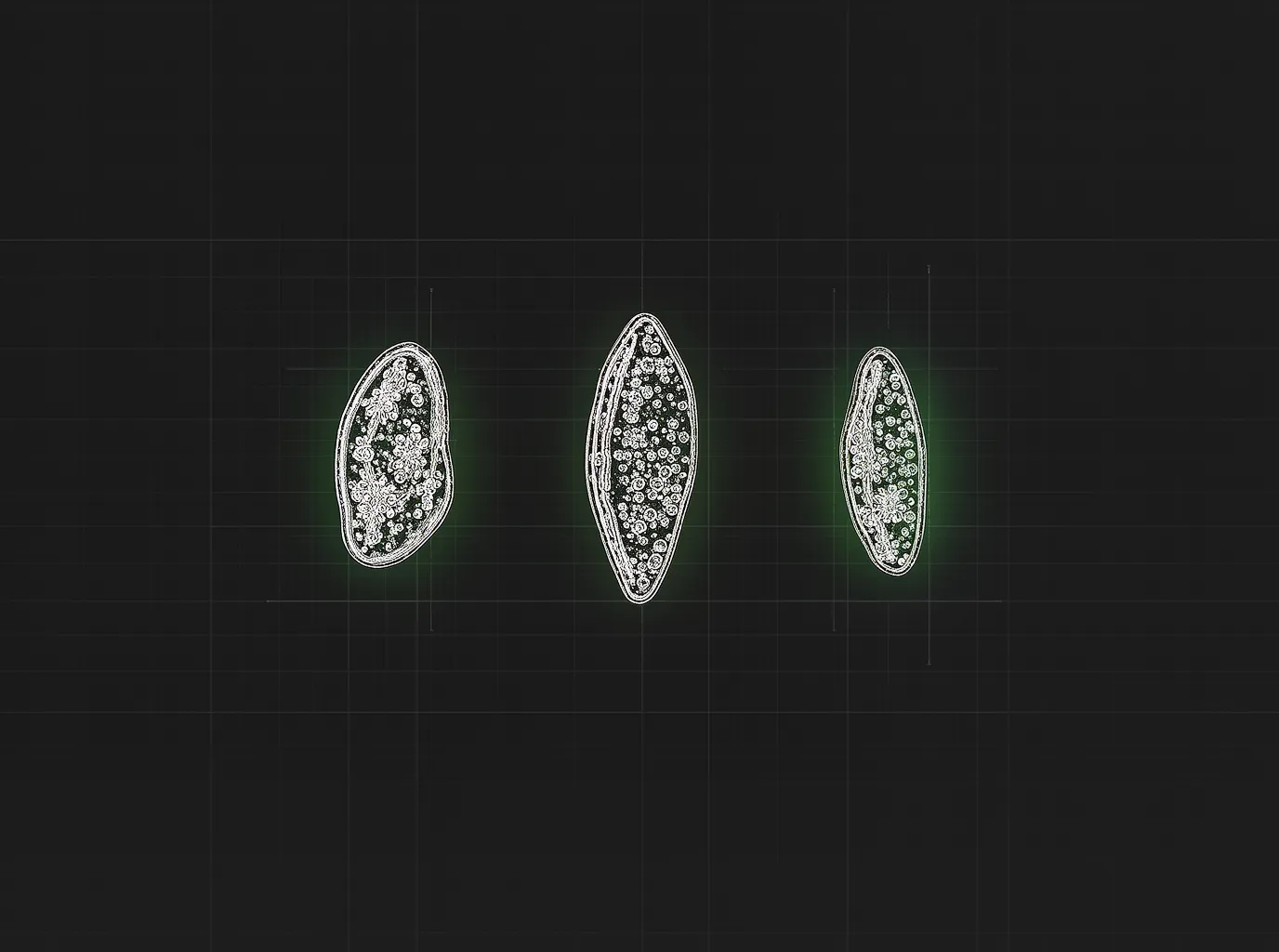
Diatoms are not true algae despite common terminology. They belong to the phylum Bacillariophyta, consisting of single-celled organisms with distinctive silica-based cell walls. Each diatom cell constructs an intricate shell (frustule) from silica extracted from water. These shells create the characteristic brown or golden-brown coloration visible as surface coating.
The organisms are photosynthetic, containing chlorophyll a and c plus fucoxanthin (brown pigment). The fucoxanthin gives diatoms their distinctive brown appearance rather than green coloration typical of most algae. Cell size ranges from 2 to 500 micrometers depending on species, with aquarium diatoms typically 10 to 50 micrometers.
Visual Identification
Recognizing diatoms quickly prevents confusion with other algae types or bacterial films.
Appearance characteristics:
- Color ranges from light tan to dark brown or rusty orange
- Texture appears dusty, powdery, or fine film (not slimy or fuzzy)
- Coating feels slightly gritty when rubbed between fingers (silica content)
- Distribution typically uniform across affected surfaces
Affected surfaces:
Diatoms coat any surface receiving light in the tank environment.
- Glass panels (front, sides, back) develop visible brown film
- Substrate surface appears brown rather than natural color
- Plant leaves accumulate brown dust (especially broad-leaved species)
- Decorations including rocks, driftwood, and equipment acquire brown coating
- Filter intake and output areas often show heavy accumulation
Texture test:
Run finger across affected surface. Diatoms easily wipe away leaving clean surface underneath. The removed material feels slightly gritty or sandy (silica shells). This distinguishes diatoms from bacterial films (slimy) or other algae (stringy or firmly attached).
Diatoms vs Other Brown-Colored Issues
Several conditions create brown coloration in aquariums requiring different approaches.
| Condition | Appearance | Feel | Behavior | Solution |
|---|---|---|---|---|
| Diatoms | Dusty brown film | Gritty, powdery | Wipes away easily | Wait for natural clearance |
| Brown Tannins | Water tinted brown/yellow | N/A (dissolved in water) | Affects water color not surfaces | Water changes + activated carbon |
| Dinoflagellates | Brown slime/sheets | Very slimy, peels off | Forms mats on substrate | Manual removal + reduced nutrients |
| Brown Hair Algae | Brown strands/threads | Stringy, hair-like | Attaches firmly | Manual removal + balance parameters |
The key distinguisher is texture. Diatoms feel gritty and dusty, unlike slimy dinoflagellates or stringy hair algae.
Why Brown Diatoms Happen
Understanding root causes explains why diatoms almost exclusively appear in new tanks or after major disturbances. Once causes are clear, prevention strategies become straightforward.
Primary Cause 1: Excess Silicate Availability
Silicate (SiO₂) is essential for diatom shell construction and represents their primary nutrient requirement.
Silicate sources in aquariums:
Multiple sources introduce silicate into new tank environments.
New aquarium substrate: Most aquarium substrates contain silicate minerals that leach into water during initial weeks. Silica sand releases significant silicate (being pure silica dioxide). Aquasoil substrates contain silicate minerals from clay composition. Gravel and crushed rock substrates often include silicate-bearing minerals. This explains why new substrate releases silicate heavily for 4 to 8 weeks before exhausting available supply.
Tap water silicate content: Municipal water supplies naturally contain dissolved silicate from geological sources. Concentrations vary widely by region (0 to 20 ppm typical range). Well water often contains higher silicate from underground rock contact. Silicate passes through most water treatment processes unaffected. Areas with volcanic or granite bedrock typically show elevated silicate levels.
Glass and silicon-based decorations: New aquarium glass releases trace silicate during initial months. Silicon-based sealants leach silicate as they cure. Certain rocks (especially volcanic types) slowly release silicate. Sand-blasted decorations may introduce fine silica particles.
Filter media materials: Some filter media contain silicate-based materials that leach initially. Ceramic media made from clay releases silicate during first weeks. Lava rock and certain bio-media types contribute silicate.
In practice, you'll often notice diatom blooms correlate with new substrate additions or tank setups. The silicate availability creates ideal conditions for diatom population explosion.
Primary Cause 2: Immature Biological Filtration
New tanks lack established beneficial bacteria populations that compete with diatoms for nutrients.
The bacterial competition dynamic:
Mature tanks contain billions of beneficial bacteria colonizing all surfaces. These bacteria consume ammonia, nitrite, and organic compounds that might otherwise support diatom growth. They also physically occupy surface area that diatoms might colonize. Established biofilm creates chemical environment less favorable for diatom attachment.
This is why diatoms thrive in new tanks. During weeks 0 to 4, bacterial populations remain small and developing. Available nutrients and surface area allow diatom dominance. Diatoms actually grow faster than bacteria initially (shorter reproduction cycle). By weeks 4 to 8, bacterial populations mature and outcompete diatoms for resources and space.
The cycling correlation:
Diatom blooms typically peak during mid-cycle phase (weeks 2 to 4). Ammonia and nitrite levels remain elevated during this period, indicating bacterial populations still establishing. As cycling completes and parameters stabilize (ammonia and nitrite reach zero), diatom populations simultaneously crash. This correlation is not coincidental but reflects shared dependence on system maturity.
Primary Cause 3: Light Intensity and Spectrum
Diatoms have different light requirements compared to green algae and plants.
Low to moderate light preference:
Unlike green algae that thrives in high light, diatoms grow optimally in lower light conditions. Low light environments (20 to 40 PAR) provide sufficient energy for diatom photosynthesis without favoring green algae competitors. Moderate light (40 to 60 PAR) supports both diatoms and plants, creating competition. High light (over 60 PAR) typically favors green algae over diatoms once silicate depletes.
This explains why diatoms often appear in dimly lit tanks or shaded areas. They can photosynthesize efficiently at lower light levels than most competing organisms. New tanks often start with conservative lighting (to prevent algae), inadvertently creating perfect diatom conditions.
Spectrum considerations:
Diatoms utilize blue and red light efficiently through their unique pigment combination. Lower Kelvin lighting (3000K to 5000K warmer spectrum) may favor diatom growth slightly. However, light intensity matters more than spectrum for diatom establishment.
Primary Cause 4: Nutrient Availability During Cycling
New tanks experience nutrient fluctuations that favor diatom growth temporarily.
Phosphate availability:
New substrates often leach phosphate during initial weeks. Dead plant matter from shipping stress releases phosphate. Fish food in newly stocked tanks provides phosphate. Diatoms efficiently utilize phosphate for cellular processes. As the tank matures, plants and bacteria begin consuming available phosphate, reducing diatom nutrient supply.
Organic compounds:
Cycling tanks accumulate organic compounds from decomposition processes. Uneaten food, plant debris, and substrate organics provide nutrient sources. Diatoms can utilize some dissolved organic compounds directly. Mature bacterial populations eventually process these compounds, eliminating diatom nutrient advantage.
Triggering Events in Established Tanks
Diatoms occasionally appear in mature tanks after specific disturbances.
Substrate disturbance or replacement: Major cleaning or replanting disturbs substrate releasing stored silicate. Adding new substrate sections introduces fresh silicate source. Vacuuming deeply into substrate can liberate trapped silicate minerals. These disturbances create temporary silicate spike allowing brief diatom bloom.
Filter media replacement: Replacing all filter media simultaneously removes established bacterial biofilm. Temporary bacterial population crash reduces competition for diatoms. New ceramic or lava rock media may leach silicate initially. This creates conditions similar to new tank for 2 to 4 weeks.
Medication treatments: Certain medications (especially antibiotics) kill beneficial bacteria along with pathogens. Temporary bacterial population reduction allows diatom opportunity. The tank essentially mini-cycles during bacterial recovery period.
Extended darkness periods: Prolonged tank darkness (moving, blackout treatment) stresses established organisms. When lights resume, diatoms may establish before plants fully recover. However, this scenario is less common than substrate disturbances.
How to Diagnose Brown Diatoms
Proper diagnosis distinguishes diatoms from other brown-colored issues requiring different treatment approaches. With diagnosis confirmed, clearance strategy becomes straightforward.
Visual Confirmation
Simple tests provide definitive diatom identification without specialized equipment.
Physical characteristics test:
Examine the brown material closely under good lighting. Diatoms appear as uniform dusty coating rather than distinct structures. Wipe a small area with finger or cloth. Diatom coating removes easily leaving clean surface underneath. Rub removed material between fingers. Diatoms feel slightly gritty (silica content) not slimy.
Distribution pattern analysis:
Observe where brown coating appears most heavily. Diatoms typically coat all light-exposed surfaces relatively uniformly. Glass surfaces show clear brown film. Substrate surface develops brown dust layer. Plant leaves (especially horizontal surfaces) accumulate brown coating. Equipment and decorations in lighted areas show brown buildup.
Color and texture assessment:
Examine coating color in different lighting. Diatoms appear tan to brown or rusty orange (never bright green). Texture looks dusty or powdery (not slimy, stringy, or fuzzy). Coating appears relatively uniform in thickness (not patchy or clumped).
Timing and Context Analysis
Tank history provides strong diagnostic clues about diatom likelihood.
New tank timeline:
Diatoms appearing within first 8 weeks of setup indicates typical new tank diatom bloom. This timing correlates with cycling phase and initial silicate availability. Appearance during weeks 2 to 4 is most common (mid-cycle). If brown coating appears in this timeframe, diatoms are highly likely cause.
Recent changes checklist:
Review recent tank modifications that might trigger diatoms. Substrate added or replaced within past 4 weeks suggests silicate source. Major filter cleaning or media replacement within 2 weeks indicates bacterial disruption. Medication treatment completed within 3 weeks may have reduced bacterial populations. New decorations (especially rocks or sand-based items) added recently could introduce silicate.
Water Testing
Optional water tests can confirm silicate presence though not essential for diagnosis.
Silicate test kit:
Silicate test kits (available from aquarium suppliers) measure dissolved silicate concentration. Reading above 2 ppm indicates significant silicate availability supporting diatoms. Reading below 1 ppm suggests silicate depleting (diatom bloom ending naturally). Test both tap water and tank water to identify source.
Basic parameter assessment:
Test ammonia, nitrite, and nitrate to assess cycling status. Detectable ammonia or nitrite (above 0 ppm) confirms incomplete cycling correlating with diatom timing. High nitrate (above 40 ppm) with zero ammonia and nitrite suggests late cycling phase when diatoms often begin clearing.
Distinguishing from Similar Issues
Several conditions mimic diatom appearance requiring different approaches.
Diatoms vs bacterial bloom:
Bacterial blooms create whitish or grayish cloudy water (not brown). Cloudiness appears in water column not as surface coating. Bacterial blooms feel slimy when touched unlike gritty diatoms. Blooms typically clear within 3 to 7 days unlike diatom blooms lasting weeks.
Diatoms vs dinoflagellates:
Dinoflagellates form brown slimy sheets or mats (very slimy to touch). They often create bubbles underneath slime sheets (oxygen production). Dinoflagellates peel off in coherent sheets unlike dusty diatoms. They typically appear in established tanks with nutrient issues not new tanks.
Diatoms vs tannins:
Tannins tint the water itself brown or yellow. They do not coat surfaces with brown film. Tannins result from driftwood or leaf litter not organisms. They easily removed by activated carbon unlike diatoms.
If coating feels gritty, wipes away easily, and appeared during new tank cycling, confirmed diatoms.
How to Remove Brown Diatoms
Multiple approaches exist with dramatically different effectiveness for diatom clearance. Understanding system dynamics reveals why patience often outperforms intervention.
Method 1: Natural Clearance (Most Reliable, Recommended)
Allowing diatoms to clear naturally produces most reliable long-term results without disrupting tank maturation.
The natural clearance mechanism:
Diatoms clear naturally as tanks mature through multiple simultaneous processes. Available silicate gradually depletes as diatoms consume it for shell construction. Dead diatom shells trap silicate in insoluble form preventing reuse. Beneficial bacteria populations mature and outcompete diatoms for surface area and nutrients. Plant growth accelerates and begins shading surfaces reducing light for diatoms. Biofilm development creates less favorable surface chemistry for diatom attachment.
Natural clearance timeline:
Week 1 to 2: Diatoms appear and spread rapidly across surfaces. Week 2 to 4: Diatom coating reaches maximum density (peak bloom). Week 4 to 6: Coating stops spreading and stabilizes. Week 6 to 8: Diatom density begins decreasing noticeably. Week 8 to 12: Coating clears substantially or completely. Beyond week 12: Any remaining diatoms continue gradual decline to negligible levels.
This is why patience is most effective strategy. Natural clearance addresses root causes rather than symptoms. Tank maturity that eliminates diatoms also creates stable environment for long-term success.
What to do during natural clearance:
Maintain normal tank maintenance routine throughout diatom bloom period. Perform 25 to 50 percent weekly water changes (removes some dissolved silicate while maintaining cycling). Continue consistent lighting schedule at 6 to 8 hours daily (don't reduce light which stresses plants). Wipe front glass weekly for visibility (safe to remove and doesn't restart bloom). Feed fish normally but avoid overfeeding (excessive nutrients can prolong bloom). Test water parameters weekly to monitor cycling completion.
Advantages:
- Most reliable long-term solution (addresses root causes)
- No risk of disrupting beneficial bacteria establishment
- No cost or special equipment required
- Creates stable mature tank environment
- Diatoms very rarely return after natural clearance
Disadvantages:
- Requires patience (6 to 10 weeks typically)
- Tank appears unsightly during bloom period
- Some light blockage to plants during peak bloom
- No immediate gratification of clear tank
Recommendation: For new tanks, natural clearance is strongly preferred approach allowing proper maturation.
Method 2: Algae-Eating Crew (Accelerates Natural Clearance)
Certain fish and invertebrates consume diatoms accelerating clearance while still allowing natural maturation.
Most effective diatom eaters:
These organisms specifically target diatom-coated surfaces as primary food source.
Otocinclus catfish: Small peaceful catfish (1.5 to 2 inches) that specialize in eating diatoms and soft algae. Stock 3 to 6 per 20 gallons for significant impact. They constantly graze glass, plants, and decorations removing diatom coating. Otocinclus are safe for planted tanks and peaceful community fish. Note they require established tank with some algae present, so add after diatoms appear not before.
Nerite snails: Hardy snails (0.5 to 1 inch) that aggressively consume diatoms from all surfaces. Stock 1 per 5 to 10 gallons depending on diatom severity. They clean glass exceptionally well and reach tight spaces. Nerite snails cannot reproduce in freshwater preventing overpopulation. They tolerate wide range of water parameters suitable for cycling tanks.
Amano shrimp: Larger shrimp (1.5 to 2 inches) that consume diatoms along with other algae types. Stock 1 per 5 gallons for algae control. They clean plant leaves effectively without damaging plants. Amano shrimp require fully cycled tank (sensitive to ammonia and nitrite), so add after cycling completes.
Malaysian trumpet snails: Snails that burrow through substrate consuming diatoms on substrate surface. They turn substrate preventing dead spots and improving circulation. Population self-regulates based on food availability. Some aquarists consider them pests due to rapid reproduction.
Addition timing:
Add algae eaters after diatoms appear (not pre-emptively). They need diatom food source to thrive initially. Wait until ammonia and nitrite reach zero before adding sensitive species (Amano shrimp, otocinclus). Nerite snails tolerate late cycling phase and can be added earlier.
Expected impact:
Algae eaters reduce diatom clearance time from 8 to 10 weeks down to 4 to 6 weeks typically. They continuously remove visible coating while natural processes address root causes. Glass and decorations remain cleaner throughout bloom period. However, they don't prevent diatom bloom, only accelerate clearance.
Advantages:
- Significantly accelerates visible clearance
- Provides ongoing algae control after diatoms clear
- Natural solution without chemicals or equipment
- Algae eaters become permanent beneficial tank inhabitants
Disadvantages:
- Requires purchasing livestock (cost consideration)
- Some species sensitive to cycling parameters (delay addition)
- Overstocking algae eaters creates waste and nutrient issues
- Won't completely eliminate diatoms during active bloom phase
Method 3: Manual Removal (Cosmetic Temporary Fix)
Physical removal clears diatoms from visible surfaces but doesn't address root causes.
Manual removal techniques:
Several tools effectively remove diatom coating from accessible surfaces.
Use magnetic algae scrapers for glass surfaces (inside and outside simultaneously). Soft cleaning pads or microfiber cloths work well for delicate surfaces. Old toothbrush cleans decorations and equipment. Gently brush plant leaves (only broad hardy species, avoid delicate plants). Turkey baster can blow diatoms off substrate surface temporarily.
Maintenance schedule:
Clean front glass 1 to 2 times weekly for visibility. Clean side and back glass less frequently (every 2 weeks acceptable). Avoid excessive plant leaf cleaning (risks damaging leaves). Leave substrate coating largely undisturbed (cleaning releases more silicate).
Why manual removal is temporary:
Removed diatoms don't address underlying silicate availability or immature tank status. Coating returns within 2 to 4 days on cleaned surfaces during active bloom. Manual removal becomes endless cycle without resolving root causes. This is why manual removal works best combined with natural clearance or algae eaters.
Advantages:
- Immediate improvement in tank appearance
- Safe for fish and plants when done carefully
- No cost beyond basic cleaning tools
- Maintains visibility through front glass
Disadvantages:
- Purely cosmetic (doesn't address root causes)
- Coating returns quickly requiring frequent cleaning
- Risk of plant damage if overly aggressive
- Time-consuming during peak bloom
Method 4: Silicate-Removing Filter Media (Addresses Root Cause)
Specialized filter media removes dissolved silicate from water eliminating diatom nutrient source.
Silicate-absorbing media options:
Several products specifically target silicate removal from aquarium water.
Silicate-absorbing resins (specialized ion exchange resins) bind dissolved silicate removing it from solution. Capacity typically 500 to 1000 gallons treated per unit. Place in filter media bag inside canister or HOB filter. Replace every 4 to 8 weeks as silicate absorption capacity exhausts. Brands include Seachem PhosGuard (removes phosphate and silicate), Rowaphos, and specialized silicate removers.
Reverse osmosis (RO) filtration removes silicate from tap water before tank addition. RO filters produce pure water (near zero dissolved minerals including silicate). Mix RO water with tap water or remineralize for aquarium use. Prevents ongoing silicate input from water changes. Requires RO unit purchase or buying RO water from stores.
Implementation approach:
Test tap water silicate level to determine if water changes introduce silicate. If tap water shows above 2 ppm silicate, consider RO water for changes. Add silicate-absorbing media to filter during active diatom bloom. Replace media as directed (exhausted media releases absorbed silicate back to water). Continue use for 6 to 8 weeks until diatoms clear.
Effectiveness:
Silicate removal accelerates clearance by cutting off diatom nutrient supply. Reduces bloom duration from 8 to 10 weeks to 4 to 6 weeks typically. Prevents recurrence if tap water is primary silicate source. Most effective combined with algae eaters for comprehensive approach.
Advantages:
- Addresses root cause (silicate availability)
- Effective for persistent diatom issues
- Prevents recurrence from tap water silicate
- Can be removed after clearance if desired
Disadvantages:
- Requires purchasing specialized media or RO unit (cost)
- Media requires periodic replacement (ongoing cost)
- May not be necessary for typical new tank diatoms
- RO water requires remineralization for planted tanks
Recommendation: Reserve silicate removal for persistent cases beyond 12 weeks or confirmed high tap water silicate.
Prevention Strategy
Understanding prevention strategy transforms one-time clearance into permanent resolution. Once natural clearance occurs, prevention becomes straightforward.
Prevent Silicate Introduction
Controlling silicate input eliminates primary diatom nutrient requirement.
Substrate selection:
Choose substrates with lower silicate content for new setups. Aquasoils based on clay minerals contain some silicate but typically exhaust supply within 8 weeks. Inert substrates like sand or gravel vary in silicate content by source. Avoid pure silica sand if preventing diatoms is priority. Substrate silicate leaching is temporary problem resolving naturally regardless of substrate type.
Water source management:
Test tap water silicate level to identify ongoing input source. If tap water exceeds 2 ppm silicate, consider silicate-removing strategies. Use RO water for changes (remineralize appropriately for planted tanks). Install silicate-absorbing media in filter for continuous removal. Many municipal water supplies contain minimal silicate (under 1 ppm) requiring no intervention.
Decoration preparation:
Rinse new decorations thoroughly before adding to tank (removes surface silicate dust). Boil porous rocks for 30 minutes to leach surface silicate before use. Avoid adding multiple new decorations simultaneously to established tanks. One new item introduces manageable silicate load compared to complete redecoration.
In practice, silicate control matters most for preventing recurrence in established tanks. New tanks naturally exhaust substrate silicate through initial diatom bloom.
Establish Proper Lighting Schedule
Appropriate lighting reduces diatom favorability while supporting plants.
Photoperiod management:
Start new tanks with 6 to 8 hour photoperiod (not 10 to 12 hours). Shorter duration provides sufficient light for plants while limiting diatom growth energy. Increase to 8 to 10 hours only after tank matures (8 weeks plus) and diatoms clear. Consistent daily schedule prevents irregular light exposure favoring opportunistic organisms.
Intensity considerations:
Moderate light intensity (40 to 60 PAR at substrate) supports plants adequately while not excessively favoring diatoms. Very low light (under 30 PAR) may actually encourage diatoms over green algae. Very high light (over 80 PAR) creates different algae issues once diatoms clear. Match light intensity to plant requirements and CO₂ availability for balanced system.
Accelerate Tank Maturation
Faster bacterial establishment reduces diatom window of opportunity.
Beneficial bacteria strategies:
Seed new tanks with established filter media from mature healthy tank (jump-starts bacterial colonies). Use commercial bacterial starter products (quality varies, but some accelerate cycling). Avoid over-cleaning new tank (allow biofilm development on surfaces). Don't replace all filter media simultaneously in established tanks (maintains bacterial populations).
Gradual stocking approach:
Add fish gradually over 4 to 8 weeks allowing bacterial populations to match bioload. Sudden heavy stocking overwhelms developing bacteria creating nutrient surplus. Lighter initial bioload allows balanced maturation with minimal diatom bloom. You can increase stocking after cycling completes and diatoms clear.
Maintain Stable Mature Tank Conditions
Preventing disturbances eliminates diatom return triggers in established tanks.
Substrate disturbance minimization:
Avoid deep substrate vacuuming in established tanks (disturbs trapped silicate). Surface debris removal sufficient for planted tanks with healthy substrate. Major replanting or rescaping may trigger brief diatom return (expect 2 to 4 weeks clearance). Plan major changes understanding temporary diatom possibility.
Filter maintenance consistency:
Clean filter media gently in old tank water (preserves bacterial populations). Never replace all media simultaneously (maintain bacterial colony continuity). Stagger media replacement if needed (replace 30 to 50 percent at a time). Rinse mechanical media more frequently than biological media (reduces organic buildup).
Medication use caution:
Use targeted medications when needed but understand antibiotics may trigger mini-cycle. Monitor parameters closely during and after medication treatment. Expect possible brief diatom return after antibiotics (2 to 3 weeks clearance typical). Add extra water changes during treatment to export organic buildup.
System Interactions
Brown diatoms exist within interconnected system where multiple factors influence bloom potential and clearance. Understanding these relationships enables precise diagnosis and prevention.
Light
Light provides energy for diatom photosynthesis but with different requirements than green algae.
Intensity affects diatom competitiveness versus other organisms. Low light (20 to 40 PAR) favors diatoms over green algae (insufficient energy for green algae dominance). Moderate light (40 to 60 PAR) supports both diatoms and plants creating competition. High light (over 60 PAR) eventually favors green algae once silicate depletes and system matures. Duration determines total energy available (shorter photoperiods limit diatom growth without starving plants).
This is why reducing light in new tank doesn't prevent diatoms. Lower light actually favors them over green algae competitors. Maintaining moderate consistent light supports plant establishment allowing plants to eventually outcompete diatoms.
CO₂
CO₂ availability influences plant growth speed and competitive advantage against diatoms.
High CO₂ (25 to 30 ppm) accelerates plant growth allowing faster nutrient consumption competing with diatoms. Plants with adequate CO₂ establish more quickly reducing diatom window. Low or no CO₂ (under 10 ppm) slows plant establishment prolonging period before plants can outcompete diatoms. However, CO₂ injection in uncycled tank carries risks (pH swings, fish stress) often outweighing diatom control benefits.
Most successful approach starts new tanks without CO₂ until cycling completes and diatoms begin clearing naturally. Adding CO₂ after week 4 to 6 accelerates final diatom clearance through enhanced plant competition.
Nutrients
Nutrient dynamics during cycling create favorable diatom conditions temporarily.
Silicate represents most critical nutrient for diatoms (essential for shell construction). Availability above 2 ppm supports active diatom growth. Depletion below 1 ppm correlates with bloom crash. Phosphate supports diatom metabolism though less specifically than silicate. New tanks often show elevated phosphate from substrate leaching. Nitrogen (ammonia, nitrite, nitrate) fluctuates during cycling providing variable nutrient environment.
In practice, you'll often notice diatoms peak when silicate remains high but other nutrients stabilize. As silicate exhausts, diatoms crash regardless of other nutrient levels. This explains why general nutrient reduction strategies (reducing feeding, frequent water changes) provide minimal diatom impact compared to silicate-specific interventions.
Substrate
Substrate composition and condition heavily influence diatom bloom severity and duration.
New substrate releases silicate through leaching and surface dissolution. Clay-based aquasoils contain silicate minerals that slowly dissolve. Sand substrates vary widely in silicate content by mineral composition. Gravel from silicate-rich rock types releases dissolved silicate. Aged substrate (over 6 months) has exhausted readily available silicate showing minimal new diatom risk.
Substrate disturbance in established tanks releases trapped silicate from pore spaces. Deep vacuuming breaks down substrate particles increasing surface area for leaching. Replanting disturbs anaerobic zones potentially releasing accumulated silicate. This explains why established tanks occasionally show brief diatom return after major substrate work.
Filtration
Filtration affects diatom dynamics through multiple mechanisms beyond mechanical removal.
Mechanical filtration removes free-floating diatom cells (though most diatoms attach to surfaces). Biological filtration develops bacterial populations that compete with diatoms for space and nutrients. Chemical filtration with silicate-absorbing media directly reduces diatom nutrient supply. Flow patterns influence diatom deposition (low flow areas accumulate more diatom settlement). Filter maintenance disruptions can trigger brief diatom returns through bacterial population reduction.
Standard filtration cannot remove attached diatoms (they colonize surfaces outside filter). This is why increasing filter capacity or cleaning frequency provides minimal diatom impact. Filtration importance lies in supporting overall maturation rather than direct diatom removal.
Stability
System stability determines diatom susceptibility beyond simple nutrient availability.
Stable mature tanks resist diatom establishment even with transient silicate exposure. Established biofilm on surfaces prevents diatom attachment. Mature bacterial populations quickly consume nutrients preventing diatom foothold. Dense plant coverage shades surfaces and outcompetes for resources. Unstable new tanks lack these defenses allowing diatoms to dominate temporarily.
This explains why identical silicate levels produce different results in new versus mature tanks. The underlying stability creates resistance that simple parameter matching cannot replicate. Building stability through natural maturation provides lasting diatom prevention.
Advanced: Mechanism & Biology
Understanding diatom cellular biology and ecological relationships reveals why specific treatments work while others fail.
Diatom Cell Structure and Silica Shells
Diatoms construct unique silica-based shells distinguishing them from all other aquarium organisms.
Each diatom cell produces a frustule (shell) composed of two overlapping halves resembling petri dish. The frustule consists of hydrated silicon dioxide (silica) extracted from dissolved silicate in water. Shell construction requires active transport of silicate across cell membrane and polymerization into solid structure. Frustule morphology varies by species showing intricate patterns and ornamentations visible under microscopy.
The silica requirement creates diatom's fundamental vulnerability. Without adequate dissolved silicate (typically under 1 ppm), diatoms cannot complete cell division successfully. New cells form incomplete shells that fail structurally. This is why silicate depletion causes rapid population crash regardless of other nutrient availability. Dead diatom shells trap silicate in solid form preventing reuse, creating positive feedback accelerating bloom termination.
Reproduction and Population Dynamics
Diatom reproduction follows patterns explaining their explosive growth and sudden collapse.
Diatoms reproduce primarily through asexual binary fission (cell division). Each division produces two daughter cells with one receiving the larger shell half. The daughter cell receiving smaller half constructs new smaller half fitting inside. This creates progressive size reduction over generations. After multiple divisions, cells reach minimum viable size triggering sexual reproduction to restore size.
Division rates depend on silicate availability and light energy. Under optimal conditions (adequate silicate, moderate light), division occurs every 12 to 24 hours. This rapid reproduction explains how sparse initial diatom colonization becomes heavy coating within one week. Population doubling daily means 10 generations produce 1000-fold increase in just 10 days.
This is why diatom blooms appear suddenly rather than gradually. Exponential growth remains invisible until population exceeds visibility threshold. Once visible, bloom quickly intensifies to peak density within days. Collapse follows equally rapidly once silicate depletes below threshold.
Ecological Niche and Succession
Diatoms occupy specific ecological niche within aquarium succession sequence.
New bare surfaces provide ideal diatom colonization substrate (no biofilm competition). Pioneer bacteria colonize first but lack density to prevent diatom establishment. Diatoms establish as first major photosynthetic colonizers due to low light requirements. Their biofilm creates surface conditions favoring subsequent green algae colonization. As green algae and bacteria biofilm matures, diatoms become outcompeted and decline.
This succession pattern explains why diatoms appear predictably in new tanks. They fill ecological niche between initial bacterial colonization and mature mixed biofilm. Understanding diatom role as temporary pioneer organism reduces anxiety about blooms. The bloom represents normal maturation stage rather than tank failure.
Allelopathy and Competition
Chemical and physical competition determines which organisms dominate established surfaces.
Mature bacterial biofilm produces extracellular polymeric substances (EPS) creating slimy coating. This biofilm prevents diatom attachment through physical exclusion. Some bacteria produce compounds inhibiting diatom adhesion or metabolism. Green algae can overgrow diatom biofilm when light intensity favors their faster growth rate. Higher plants shade surfaces and alter local chemistry through root exudates reducing diatom favorability.
The competition dynamic explains why diatom clearance accelerates as tank matures. Multiple competing organisms establish creating hostile environment for diatoms. Single intervention (like reducing silicate) works synergistically with developing competition for rapid bloom termination.
Advanced: System Stability Analysis
Examining why some tanks show severe persistent diatom blooms while others clear quickly reveals stability principles.
The Silicate Depletion Curve
Tank silicate concentration follows predictable decline pattern determining bloom trajectory.
New tank starts with high silicate from substrate leaching (5 to 20 ppm typical). Diatom population growth rate tracks available silicate concentration. Exponential diatom growth rapidly consumes dissolved silicate. Dead diatoms trap silicate in frustules removing it from solution. Water changes dilute remaining silicate accelerating decline. By weeks 6 to 8, concentration drops below 1 ppm (critical threshold for sustained bloom).
This explains why diatom clearance timeline remains relatively consistent across tanks. The silicate depletion follows logarithmic decay curve regardless of intervention (except silicate removal media). Natural clearance simply allows curve to progress unimpeded. Patience permits inevitable silicate exhaustion that terminates bloom.
Maturation Synchronization
Diatom clearance coincides with multiple simultaneous maturation processes.
Bacterial populations mature achieving stable density by week 6 to 8. Plant growth accelerates as roots establish and cycling completes. Biofilm development creates established surface communities. Parameter stabilization indicates nitrogen cycle completion. All these processes converge around same timeframe as diatom clearance.
In most tanks, you'll often notice the magic week when multiple improvements occur simultaneously. Diatom coating stops spreading and begins receding. Water clarity improves as bacterial bloom subsides. Plant growth visibly accelerates with new leaf production. Parameters stabilize with consistent zero ammonia and nitrite readings. This synchronization reflects interconnected maturation rather than coincidence.
Recurrence Pattern Analysis
Understanding why some established tanks experience diatom returns reveals system fragility markers.
Persistent recurrence (every 4 to 8 weeks) suggests ongoing silicate input from tap water or substrate. Brief single recurrence after disturbance (substrate work, filter cleaning, medication) represents temporary instability. Isolated recurrence without obvious trigger may indicate competition breakdown from plant loss or lighting changes. Seasonal recurrence patterns might correlate with tap water chemistry variations or temperature effects on bacterial activity.
This is usually where diagnosis becomes important. Single post-disturbance bloom requires no intervention (natural clearance sufficient). Persistent recurrence demands silicate source investigation and removal. Competition breakdown requires replanting or lighting adjustment rather than algae-specific treatments.
Common Myths About Brown Diatoms
Myth 1: "Diatoms mean dirty tank"
Reality: Diatoms indicate new tank maturation, not poor maintenance. Pristine clean tanks with excellent maintenance develop diatom blooms during cycling. The bloom represents normal biological succession rather than cleanliness issue. Overcleaning new tanks can actually prolong blooms by disrupting bacterial establishment.
Well-maintained tanks simply experience shorter bloom duration (4 to 6 weeks) versus neglected tanks (8 to 12 weeks). However, all new tanks typically show some diatom presence regardless of maintenance quality.
Myth 2: "Reducing light will eliminate diatoms"
Reality: Lower light actually favors diatoms over green algae competitors. Diatoms photosynthesize efficiently at low light levels (20 to 30 PAR). Reducing photoperiod starves plants while minimally affecting diatoms. Blackout periods provide temporary clearance but diatoms return immediately when lights resume if silicate remains available.
Appropriate lighting supports plant establishment allowing plants to eventually outcompete diatoms. Light reduction delays rather than accelerates natural clearance.
Myth 3: "Diatoms will spread to other tanks"
Reality: While diatoms can transfer between tanks via shared equipment, they won't establish without favorable conditions (high silicate, immature tank). Mature established tanks resist diatom colonization even with direct introduction. The receiving tank's stability matters more than diatom presence.
This is why quarantining plants from tanks with diatoms is unnecessary. The diatoms naturally die without silicate supply within days of transfer.
Myth 4: "Chemical algaecides will clear diatoms safely"
Reality: Most algaecides show poor effectiveness against diatoms (designed for green algae). Products that work cause massive simultaneous diatom die-off. Decomposing diatom biomass releases ammonia potentially spiking parameters. Dead diatom shells remain coating surfaces (requires manual removal anyway). Algaecides don't address silicate availability allowing rapid recolonization.
Natural clearance or manual removal proves safer and more effective than chemical treatments.
Myth 5: "High phosphate causes diatoms"
Reality: Silicate availability controls diatom blooms far more than phosphate. Tanks with high phosphate (5 ppm plus) but low silicate (under 1 ppm) show no diatoms. Conversely, low phosphate (0.5 ppm) with high silicate (5 ppm) develops heavy diatom coating. While diatoms use phosphate, silicate is limiting nutrient determining bloom potential.
This explains why phosphate-removing media provides minimal diatom impact compared to silicate-removing media. Targeting correct nutrient is essential for effective intervention.
Myth 6: "Diatoms will damage plants"
Reality: Diatom coating on plant leaves blocks some light but rarely causes permanent damage. Plants may show slight growth slowing during heavy coating. Healthy plants resume normal growth immediately when diatoms clear. Only severe prolonged coating (over 12 weeks) on delicate species risks permanent harm.
Brushing coating from broad hardy leaves is safe if done gently. However, leaving coating undisturbed and allowing natural clearance prevents any risk of mechanical leaf damage.
FAQ
Q: Are brown diatoms harmful to my fish or plants?
A: Diatoms are not harmful to fish and only minimally affect plants. Fish ignore diatoms or may occasionally graze on coating. Heavy diatom coating on plant leaves blocks some light potentially slowing growth temporarily. However, healthy plants tolerate coating for weeks without permanent damage. Plants resume normal growth immediately once diatoms clear. The main issue is aesthetic rather than health concern.
Q: How long do brown diatoms last in new tanks?
A: Typical new tank diatom blooms last 6 to 10 weeks from appearance to substantial clearance. Bloom appears weeks 2 to 4, peaks weeks 4 to 6, and clears weeks 8 to 12. Tanks with algae eaters clear faster (4 to 6 weeks). Tanks with high tap water silicate or delayed cycling may extend to 12 weeks. Nearly all blooms clear naturally by week 12 without intervention.
Q: Should I restart my tank if it has brown diatoms?
A: Absolutely not. Diatoms represent normal new tank maturation stage, not failure requiring restart. Restarting resets cycling progress back to beginning, virtually guaranteeing another diatom bloom. Continue normal maintenance and allow natural clearance to proceed. Tank will mature and stabilize within weeks if left undisturbed. Patience prevents unnecessary work and stress.
Q: Can I add algae eaters immediately to prevent diatoms?
A: No, algae eaters need diatoms already present as food source. Adding before bloom appears leaves them without food in new tank. Additionally, many effective algae eaters (otocinclus, Amano shrimp) require cycled tank with zero ammonia and nitrite. Add algae eaters after diatoms appear and parameters stabilize (ammonia and nitrite zero). Nerite snails tolerate late cycling and can be added slightly earlier.
Q: Why do diatoms keep coming back after I clean them?
A: Cleaning removes visible coating but doesn't address underlying silicate availability. High silicate levels (above 2 ppm) allow rapid recolonization within 2 to 3 days. Coating returns until silicate naturally depletes through diatom consumption and water changes. This is why manual cleaning is temporary cosmetic fix rather than solution. Natural clearance or silicate removal media addresses root cause for permanent resolution.
Q: Will reducing feeding help clear diatoms faster?
A: Reducing feeding provides minimal diatom impact. Diatoms require silicate primarily, not nitrogen or phosphorus from fish waste. Light feeding prevents excess nutrients helping overall tank health but won't significantly accelerate diatom clearance. Maintain normal conservative feeding (once daily, amount consumed in 2 to 3 minutes) throughout bloom period.
Q: My diatoms cleared but returned after substrate cleaning. Why?
A: Substrate disturbance releases trapped silicate from pore spaces and breaks down particles increasing leaching. This creates temporary silicate spike allowing brief diatom return (typically 2 to 4 weeks clearance). Established tank quickly rebalances clearing new bloom faster than initial. Avoid deep substrate vacuuming in planted tanks to minimize disturbance. Surface cleaning sufficient for debris removal.
Q: Can I use silicate-removing media in new tank?
A: Yes, silicate-removing media is safe during cycling and accelerates clearance. However, it's typically unnecessary for standard new tank blooms clearing naturally. Reserve for persistent cases beyond 12 weeks or confirmed high tap water silicate (over 3 ppm). Media requires periodic replacement as capacity exhausts. Natural clearance remains most cost-effective approach for typical blooms.
Q: Are diatoms and brown algae the same thing?
A: Aquarists use terms interchangeably though technically diatoms are distinct from true algae. Diatoms belong to phylum Bacillariophyta while true algae belong to different groups. For practical aquarium purposes, distinction matters little since identification and treatment approach is identical. Brown coating in new tanks is almost always diatoms regardless of terminology used.
Q: Will carbon filter remove diatoms?
A: Activated carbon does not remove diatoms or silicate. Carbon adsorbs dissolved organic compounds, medications, and tannins but not mineral silicates. It provides no benefit for diatom clearance. Use silicate-specific media (specialized resins) or reverse osmosis filtration for silicate removal. Standard mechanical, biological, and carbon filtration cannot address diatom blooms.
Q: My tap water has high silicate. What should I do?
A: For tap water above 3 ppm silicate, consider reverse osmosis (RO) water for changes. RO removes silicate along with other minerals. Remineralize RO water appropriately for planted tank requirements. Alternatively, use silicate-absorbing media in filter for continuous removal from tap water additions. Many aquarists with high silicate tap water simply accept initial bloom knowing it will clear naturally, then rarely recurs in established tank.
Q: Can diatoms appear in established tanks?
A: Yes, established tanks occasionally show diatom returns after disturbances. Substrate replacement or major replanting releases fresh silicate. Complete filter media replacement disrupts bacterial populations. Medication treatments (especially antibiotics) temporarily reduce bacterial competition. These triggers cause brief blooms clearing within 2 to 4 weeks naturally. True persistent blooms in established tanks are rare and suggest ongoing silicate input requiring investigation.
Related Guides
- Algae Control Guide: Complete algae identification and treatment framework
- Beginner Algae Guide: Understanding algae in new planted tanks
- Green Spot Algae Guide: Hard green spots appearing after diatoms clear
- Hair Algae Guide: Green stringy algae often following diatom clearance
- Water Parameters Guide: Understanding nitrogen cycle and tank maturation
- Aquarium Lighting Guide: Proper lighting schedule for new tanks
- Planted Aquarium Guide: Complete new tank setup and maturation process
Key takeaway: Brown diatoms are normal temporary stage in new planted tank maturation caused by excess silicate from substrate combined with immature bacterial populations. They appear as dusty brown coating on all surfaces within first 2 to 4 weeks. Natural clearance occurs within 6 to 10 weeks as silicate depletes and tank matures without requiring intervention. Accelerate clearance by adding algae eaters (otocinclus catfish, nerite snails) after diatoms appear or use silicate-removing filter media for persistent cases. Prevent recurrence in established tanks by minimizing substrate disturbance, maintaining filter bacteria populations, and addressing high tap water silicate if present. Patience during initial bloom produces mature stable tank that rarely experiences diatom returns.