
Best Substrate for Planted Tanks: Complete Beginner's Guide
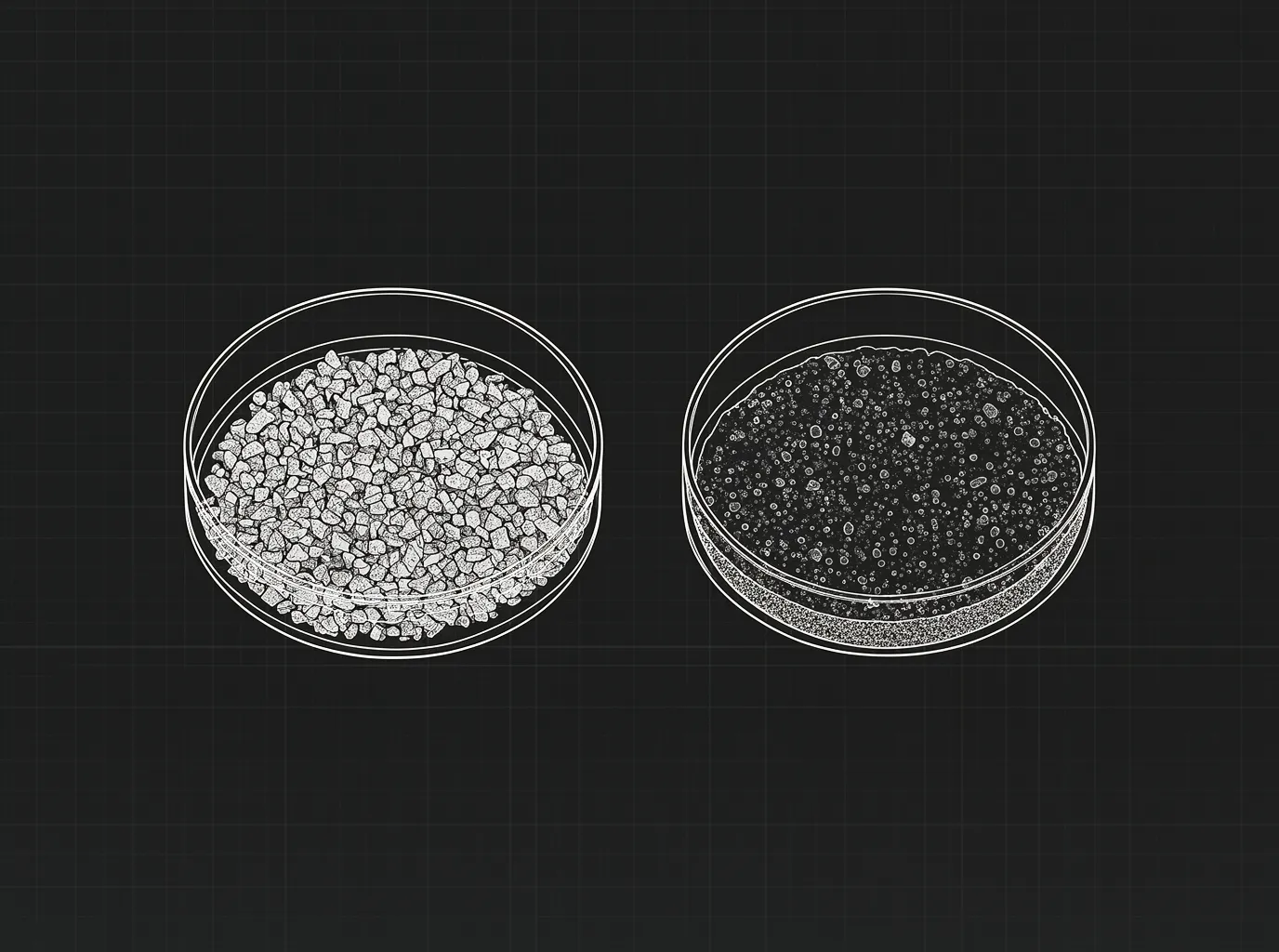
Quick Summary (For Beginners)
You don't need expensive substrate to grow plants successfully.
Many beginners overspend on substrate when simpler options work great.
What you need to know:
- Easy plants (Anubias, Java Fern, most stems) thrive in basic gravel or sand
- Nutrient-rich substrates (aquasoil) help but aren't required
- You can add root tabs to any substrate for root-feeding plants
- Depth matters: 2-3 inches minimum for most plants
- Dark substrates look better and plants show better coloration
What to do immediately:
- Choose based on plants and budget (not hype)
- Start with inert substrate + root tabs if budget-conscious
- Or use aquasoil if growing root-heavy plants and willing to invest
- Aim for 2-3 inch depth (more in heavily planted areas)
- Don't mix different substrate types (problematic long-term)
When not to worry:
- You chose gravel instead of aquasoil (works fine with fertilization)
- Your substrate isn't the "premium" brand (basic options work)
- Substrate is light-colored (plants still grow, just aesthetics)
- You didn't cap soil (advanced technique, not needed for beginners)
This guide will teach you substrate types, how to choose the right one, what depth you need, and how to avoid expensive mistakes.
Why Substrate Matters
Substrate serves three main functions:
1. Plant Anchoring
Roots need something to grip. Floating plants don't care, but rooted plants need stable substrate.
Minimum requirement: Any substrate works for anchoring (even sand).
2. Root Nutrition (For Some Plants)
Some plants are heavy root feeders. They absorb nutrients primarily through roots, not leaves.
Root feeders:
- Amazon Swords
- Cryptocoryne (most species)
- Vallisneria
- Carpeting plants (some)
Column feeders (don't care about substrate):
- Most stem plants
- Floating plants
- Anubias (doesn't root in substrate at all)
- Java Fern (attached to hardscape)
Implication: If growing mostly stem plants, Anubias, and ferns, substrate nutrition doesn't matter much.
3. Aesthetics
Substrate is the visual foundation of your aquascape.
Dark substrates (black, dark brown):
- Makes plants "pop" visually
- Hides debris better
- Preferred by aquascapers
Light substrates (beige, white, natural gravel):
- Shows every bit of debris
- Plants look washed out by contrast
- Not recommended aesthetically
Types of Substrate
Inert Substrates (No Nutrients)
What they are: Natural materials that don't contain plant nutrients. Stable, long-lasting, don't alter water chemistry.
Gravel
Description: Small rounded stones, 2-5mm typically
Pros:
- Very affordable ($10-20 for 20 lbs)
- Lasts forever
- Easy to vacuum
- Stable (won't compact)
- Doesn't affect water parameters
- Widely available
Cons:
- No nutrient content (need root tabs or water column fertilization)
- Light colors show debris
- Can trap debris in gaps
Best for:
- Budget-conscious setups
- Tanks with mostly stem plants or column feeders
- Aquarists who want simple, stable substrate
- Long-term low-maintenance approach
Recommended products:
- Seachem Onyx Sand (dark, plant-safe)
- Carib Sea Eco-Complete (actually inert despite marketing, contains some initial nutrients)
- Black diamond blasting sand (very cheap, popular, ~$10 per 50 lbs)
- Standard aquarium gravel (avoid painted/coated types)
Sand
Description: Fine particles, 0.5-2mm
Pros:
- Affordable ($10-20 for 20 lbs)
- Natural appearance
- Good for bottom-dwelling fish (Corydoras love sand)
- Roots penetrate easily
- Looks clean
Cons:
- No nutrient content (need root tabs)
- Can compact over time (reduces oxygen to roots)
- Harder to vacuum (disturbs easily)
- Very fine sand can get kicked up by filters
Best for:
- Natural aquascapes
- Tanks with Corydoras or other sand-sifting fish
- Dirted tank caps (advanced)
- Budget setups
Recommended products:
- Pool filter sand (very cheap, popular)
- Black diamond blasting sand (fine grade)
- Carib Sea Super Naturals (darker colors)
- Play sand (needs thorough rinsing)
Nutrient-Rich Substrates (Active Soil)
What they are: Specially formulated substrates containing nutrients for plant roots. Made from baked clay or volcanic soil.
Aquasoil / Planted Tank Soil
Description: Small granules of nutrient-rich material, usually dark brown/black
Pros:
- Rich in nutrients (iron, trace elements)
- Lowers pH slightly (beneficial for most plants)
- Softens water (lowers GH/KH)
- Excellent for root-feeding plants
- Dark color (great aesthetics)
- Plants establish faster
Cons:
- Expensive ($30-50 per bag, need 2-3 bags for typical tank)
- Breaks down over time (2-3 years, turns muddy)
- Leeches ammonia initially (must cycle before adding fish)
- Cannot be vacuumed vigorously (breaks apart)
- Messing in water during setup (requires patience)
- Needs replacing every 2-4 years
Best for:
- High-tech planted tanks
- Root-heavy plants (swords, crypts, carpets)
- Aquascapers prioritizing aesthetics
- Those willing to invest
- Tanks that will be replanted in 2-4 years anyway
Recommended products:
- ADA Amazonia (premium, $45-50 per 9L bag)
- UNS Controsoil (great quality, $35-40 per bag)
- Fluval Stratum (affordable, lighter, $25-30)
- Tropica Aquarium Soil (good middle ground)
- AquaSolum (budget aquasoil alternative)
Specialty Substrates
Laterite-enriched substrates:
- Red clay mixed with gravel
- Provides iron
- Outdated approach (root tabs work better)
Baked clay substrates:
- Similar to aquasoil but more stable
- Seachem Flourite (popular)
- Doesn't break down
- Less nutrient-rich than true aquasoil
Beginner Substrate Recommendations
Budget-Conscious Route ($15-30)
Best choice: Black gravel or Black Diamond Blasting Sand + Root tabs
Why:
- Cheap initial cost
- Stable long-term
- Works for 90% of plants with root tabs
- Easy to maintain
- Lasts forever
Fertilization: Add root tabs (Seachem Flourish Tabs, API Root Tabs) near heavy root feeders every 3-4 months.
Total cost: ~$15-20 substrate + $10-15 root tabs = $25-35
Mid-Range Route ($50-80)
Best choice: Fluval Stratum or similar budget aquasoil
Why:
- Nutrient-rich for faster plant establishment
- Dark aesthetics
- Not too expensive
- Good compromise
Fertilization: Minimal for first 6-12 months, then supplement with root tabs or water column fertilizers.
Total cost: 2 bags of Fluval Stratum (~$50-60)
Premium Route ($100-150)
Best choice: ADA Amazonia or UNS Controsoil
Why:
- Richest nutrients
- Best aesthetics (uniform, dark granules)
- Proven long-term performance
- Aquascaping standard
Fertilization: Minimal for first year, then supplement.
Total cost: 2-3 bags of ADA Amazonia or UNS (~$100-150)
How Much Substrate Do You Need?
Calculating Volume
Formula: Length (inches) × Width (inches) × Depth (inches) ÷ 231 = Gallons of substrate
Typical needs:
- 1 inch depth: 1-1.5 lbs per gallon
- 2 inches depth: 2-3 lbs per gallon
- 3 inches depth: 3-4 lbs per gallon
Examples:
20-gallon long (30" × 12" × 12"):
- For 2" depth: ~40-50 lbs of substrate
10-gallon (20" × 10" × 12"):
- For 2" depth: ~20-25 lbs of substrate
55-gallon (48" × 13" × 21"):
- For 2" depth: ~110-130 lbs of substrate
Depth Recommendations
Minimum viable: 1.5 inches (plants struggle below this)
Standard: 2-3 inches (works for most setups)
Heavily planted: 3-4 inches (for large root systems)
Sloped aquascapes:
- Front: 1-2 inches
- Back: 3-5 inches
- Creates depth illusion
Don't exceed 4-5 inches in most areas (anaerobic zones can develop, producing hydrogen sulfide)
Setting Up Substrate
Rinsing (Inert Substrates)
Gravel and sand need thorough rinsing.
Process:
- Place substrate in bucket
- Fill with water
- Stir vigorously
- Pour off cloudy water
- Repeat 5-10 times until water runs mostly clear
Note: Some cloudiness is normal initially. It will settle.
Aquasoil: Do NOT rinse. Add dry to tank. It will cloud water temporarily (normal).
Adding Substrate to Tank
Method 1: Dry substrate (empty tank)
- Ensure tank is on final stand (substrate adds weight)
- Add substrate, level or slope as desired
- Optional: Add hardscape first, substrate around it
- Fill tank slowly with plate or bowl method (pour water onto plate to minimize disturbance)
Method 2: Wet substrate (less cloud)
- Add small amount of water to tank (1-2 inches)
- Add substrate underwater (pour gently)
- Level as desired
- Continue filling carefully
For aquasoil: Expect significant clouding for 12-24 hours. This is normal. Run filter, be patient.
Sloping Substrate
Creating depth:
- Higher in back (3-4"), lower in front (1-2")
- Use rocks or egg crate as barriers
- Provides visual depth
- More room for root systems in back
Maintaining slope:
- Fish and cleaning disturb substrate over time
- Use barriers (rocks, driftwood) to hold levels
- Accept some leveling over time
- Re-slope during maintenance if needed
Fertilization Strategies by Substrate Type
Inert Substrate (Gravel/Sand)
Root feeders:
- Insert root tabs every 3-4 inches in planted areas
- Replace every 3-4 months
- Examples: Seachem Flourish Tabs, API Root Tabs
Column feeders:
- Dose all-in-one liquid fertilizer weekly
- Examples: NilocG Thrive, Aquarium Co-Op Easy Green
Both types: Use both root tabs for root feeders + liquid fertilizer for stem plants
Aquasoil
First 6-12 months:
- Minimal fertilization needed (substrate is nutrient-rich)
- Monitor plant health
- Add liquid fertilizer if deficiency symptoms appear
After 12+ months:
- Add root tabs to supplement depleted substrate
- Continue liquid fertilization for column feeders
Mixed Approach
Example: Inert substrate + root tabs under heavy root feeders + liquid for stems
This gives you control and flexibility without full aquasoil cost.
Common Substrate Mistakes
Mistake 1: Mixing substrate types
Why it's bad:
- Aquasoil breaks down into fine particles
- These sift through gravel gaps
- Creates ugly layered appearance
- Aquasoil breaks down faster when mixed
Fix: Use one substrate type. If capping, use compatible materials (e.g., sand over dirt, not gravel over aquasoil).
Mistake 2: Insufficient depth
Why it's bad:
- Plants can't establish proper root systems
- Tall plants fall over
- Roots hit glass bottom (limited nutrient access)
Fix: Minimum 2 inches. More is better for heavily planted tanks.
Mistake 3: Not rinsing inert substrate
Why it's bad:
- Weeks of cloudy water
- Dust settles on everything
- Clogs filter
Fix: Rinse gravel/sand thoroughly before adding (5-10 rinses).
Mistake 4: Vacuuming aquasoil aggressively
Why it's bad:
- Breaks apart granules
- Turns water muddy
- Shortens substrate lifespan
Fix: Hover vacuum above aquasoil to remove debris, don't dig into it. Or use turkey baster for spot cleaning.
Mistake 5: Choosing light-colored substrate
Why it's bad (subjective):
- Shows every speck of debris
- Plants don't "pop" visually
- Looks less natural
Fix: Choose dark substrates (black, dark brown) for better aesthetics. This is personal preference, but widely recommended.
Mistake 6: Adding fish too soon with aquasoil
Why it's bad:
- Aquasoil leaches ammonia for 2-4 weeks
- Toxic to fish
- Must cycle first
Fix: Fishless cycle with aquasoil for 3-4 weeks before adding fish. Test ammonia/nitrite until 0 ppm.
Mistake 7: Buying too little substrate
Why it's bad:
- Thin substrate layer (inadequate depth)
- Have to order more (shipping costs)
- Plants struggle
Fix: Calculate needs, add 20% buffer. Better to have leftover than run short mid-setup.
Substrate and Plant Types
Plants That Need Nutrient-Rich Substrate
Heavy root feeders:
- Amazon Swords (large species)
- Cryptocoryne (most species)
- Vallisneria
- Dwarf Sagittaria
- Some carpet plants (Dwarf Hairgrass)
These benefit significantly from aquasoil or root tabs.
Plants That Don't Care About Substrate
Column feeders and epiphytes:
- Stem plants (Rotala, Ludwigia, Hygrophila, Bacopa)
- Floating plants (all)
- Anubias (all species — attach to hardscape, don't plant)
- Java Fern (attach to hardscape)
- Bucephalandra (attach to hardscape)
- Mosses (attach to surfaces)
These thrive with liquid fertilization alone. Substrate nutrients are wasted on them.
Flexible Plants (Adapt to Either)
These do fine either way:
- Most Cryptocoryne (adapt to poor substrate + liquid ferts)
- Smaller swords
- Some stem plants (Bacopa, Hygrophila)
System Interactions: How Substrate Affects Everything
Substrate → Water Parameters
Aquasoil:
- Lowers pH (0.5-1.0 drop typically)
- Softens water (lowers GH/KH)
- Can make CO₂ injection more efficient (less buffering)
Inert substrates:
- No effect on pH, GH, KH
- Stable long-term
Crushed coral or limestone-based substrates:
- Raise pH and GH
- Not recommended for most planted tanks
Substrate → Nutrient Cycling
Rich substrates:
- Provide root zone nutrients
- Reduce need for water column fertilization
- Can lead to algae if too rich initially
Inert substrates:
- All nutrients from water column or root tabs
- More control over nutrient levels
- Less initial algae risk
Substrate → Plant Growth Speed
Aquasoil:
- Faster establishment
- More vigorous root growth
- Plants reach full size quicker
Inert + fertilization:
- Slower initial growth
- Eventual growth rate similar (if fertilized properly)
- More patience required
Substrate → Long-Term Stability
Inert substrates:
- Unchanging over years
- Can last lifetime of tank
- Consistent performance
Aquasoil:
- Degrades over 2-4 years
- Nutrient content depletes
- May need replacement or supplementation
Advanced: Dirted Tanks (Walstad Method)
What it is: Using organic potting soil capped with sand/gravel
Pros:
- Very cheap
- Extremely nutrient-rich
- Can support growth for years
- Low-tech approach
Cons:
- Messy setup
- Releases ammonia if disturbed
- Can't rescape easily (disturbing substrate releases organics)
- Risk of anaerobic pockets (hydrogen sulfide)
- Not beginner-friendly
Verdict for beginners: Skip this approach. Use inert substrate + root tabs, or use aquasoil. Dirted tanks are advanced and risky.
Advanced: Substrate Layering Systems
Some aquascapers use layered substrate systems:
Example:
- Bottom: Laterite or clay layer (nutrients)
- Middle: Coarse substrate (drainage)
- Top: Aquasoil or fine substrate (aesthetics)
Theory: Prevents compaction, provides drainage, creates nutrient gradient.
Reality: Unnecessary complexity for most setups. Standard substrate works fine.
Verdict for beginners: Don't overcomplicate. Single substrate layer is sufficient.
Substrate Maintenance Over Time
Inert Substrates
Maintenance:
- Vacuum during water changes to remove debris
- Add root tabs every 3-4 months near root feeders
- Lasts indefinitely
No need to replace.
Aquasoil
Maintenance:
- Avoid aggressive vacuuming (breaks granules)
- Remove debris with turkey baster or gentle hovering vacuum
- Add root tabs after 12-18 months to supplement
- Monitor for breakdown (granules turning muddy)
Replacement: After 2-4 years, aquasoil becomes depleted and breaks down. Options:
- Add new layer on top
- Remove and replace entirely (requires rescape)
- Supplement heavily with root tabs and continue using
FAQ
Can I use play sand from the hardware store?
Yes, but rinse thoroughly (10+ times). It's cheap and works fine. Some types have dust that's hard to rinse completely. Pool filter sand is slightly better (coarser, less dust).
Do I need to use expensive aquasoil?
No. Many successful planted tanks use basic gravel + root tabs. Aquasoil is convenient and speeds growth, but isn't required. Choose based on budget and goals.
Can I mix aquasoil with gravel?
Not recommended. Aquasoil breaks down over time and sifts through gravel, creating messy appearance. Keep them separate or use aquasoil alone.
How do I know when aquasoil is depleted?
Signs: Plants grow slower, deficiency symptoms appear, substrate granules break down into mud. Timeline: typically 2-4 years. Solution: Add root tabs or replace substrate.
Should I vacuum substrate during water changes?
Inert substrates: Yes, vacuum to remove waste. Aquasoil: No, or very gently. Hovering vacuum above surface only. Aquasoil breaks apart if vacuumed aggressively.
Can I reuse old substrate in a new tank?
Inert substrates: Yes, rinse well. Aquasoil: Not recommended if old (depleted nutrients, broken down). Fresh aquasoil only.
Will substrate affect my pH?
Aquasoil: Yes, lowers pH by 0.5-1.0 typically. Inert substrates: No. Crushed coral/limestone: Yes, raises pH (avoid in planted tanks).
Do I need underlayer nutrients?
Not necessary. Modern approach: aquasoil or root tabs. Underlayer laterite/clay is outdated and adds complexity without major benefit.
Related Guides
- Complete Planted Tank Guide — Foundation for setting up your tank
- Substrate Guide (Advanced) — Deep dive into substrate types, layering, and long-term management
- Aquasoil vs Gravel — Detailed comparison of substrate options
- Easy Plants for Beginners — Which plants work with different substrates
Final Recommendations
For absolute beginners on a budget:
- Black Diamond Blasting Sand or dark gravel (~$10-20)
- Root tabs for heavy root feeders ($10-15)
- Liquid fertilizer for stem plants ($15-20)
- Total: ~$35-55
For intermediate aquarists wanting easier setup:
- Fluval Stratum or similar budget aquasoil (~$50-60 for typical tank)
- Supplement with root tabs after 12+ months
- Total: ~$50-70
For dedicated aquascapers prioritizing aesthetics:
- ADA Amazonia or UNS Controsoil (~$100-150 for typical tank)
- Premium results, best aesthetics
- Total: ~$100-150
Universal truth:
Substrate is a tool, not a magic solution. Plants need light, CO₂, and nutrients. The substrate is just one nutrient delivery method. A cheap substrate with proper fertilization outperforms expensive substrate with poor lighting or no fertilization.
Focus on the system as a whole, not just the substrate.