
How to Trim Aquarium Plants: Complete Pruning Guide
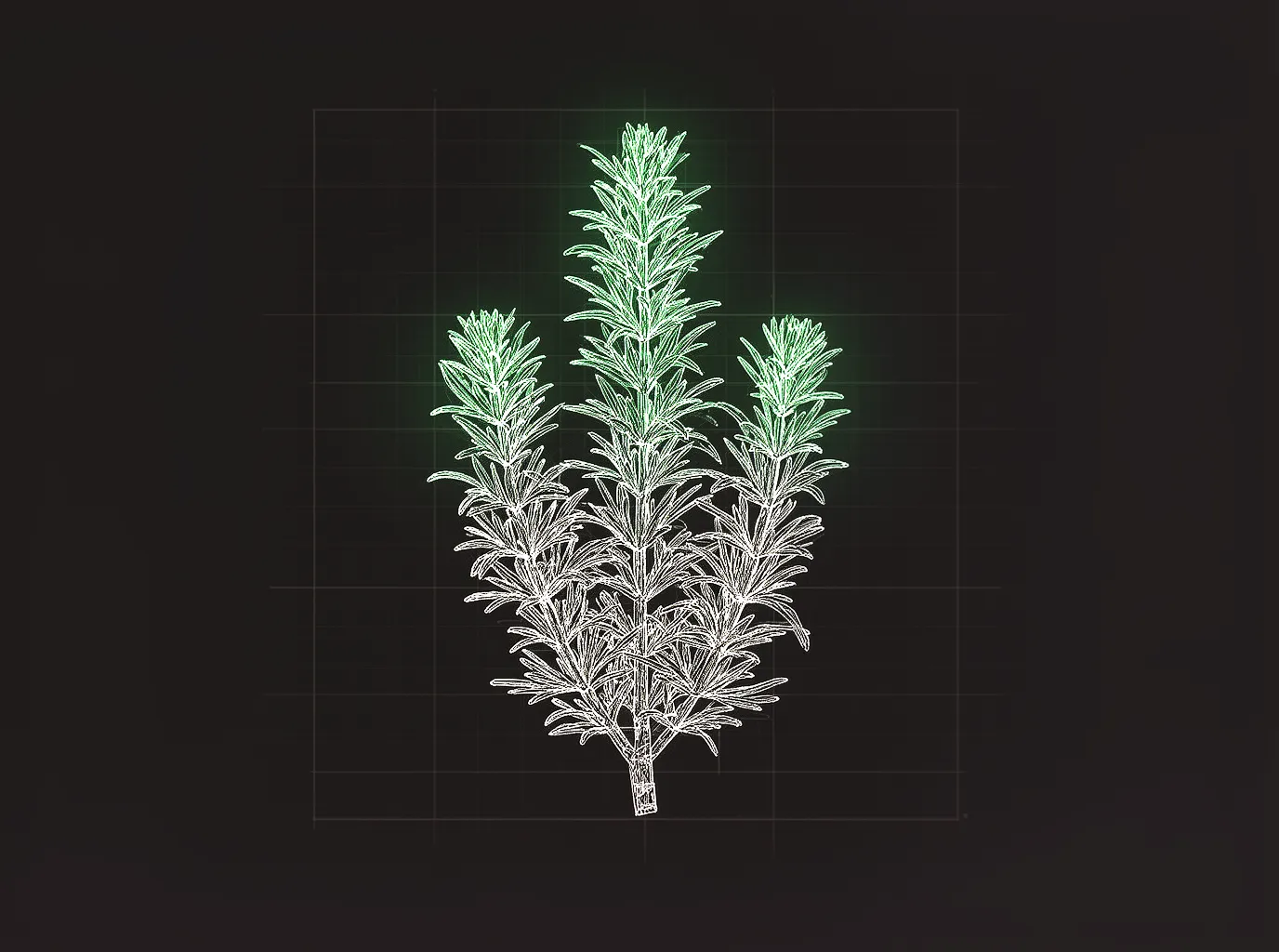
Trimming aquarium plants is essential maintenance that keeps planted tanks healthy, visually attractive, and balanced. Without regular pruning, fast-growing plants overtake slower species, light cannot penetrate to lower layers, and the aquascape loses its intended structure. Most aquarists learn trimming through trial and error, discovering that different plant types require completely different techniques.
In most tanks, the need for trimming becomes obvious when stem plants reach the surface, carpet plants thicken excessively, or overgrown sections start shading other plants. This is usually the point when aquascapers realize that planted tanks require ongoing maintenance rather than one-time setup. The good news is that proper trimming improves plant health, encourages bushier growth, and provides cuttings for propagation or sharing with other aquarists.
Quick Summary
Trimming aquarium plants involves cutting back overgrown growth to maintain tank aesthetics, plant health, and light penetration. Different plant types require specific techniques. Stem plants are cut midway down the stem and tops replanted, discarding leggy lower sections. Carpet plants are surface-trimmed with scissors once coverage is established, removing 30-40% of height. Rosette plants have outer leaves pruned individually at the base. Mosses and ferns are trimmed with scissors to shape and thin density. Essential tools include sharp aquascaping scissors (straight or curved), tweezers for replanting, and optional trimmers for carpet work. Trim every 2-4 weeks depending on growth rate, light intensity, and CO₂ levels. Always trim in well-lit conditions to see clearly, remove trimmings promptly to prevent decay, and adjust fertilization after heavy pruning. Proper trimming encourages lateral branching, maintains compact growth, prevents shading, and keeps the aquascape structured.
Why Trimming is Necessary
Aquarium plants grow continuously when conditions support photosynthesis. Unlike terrestrial gardens where seasonal changes limit growth, aquarium plants in stable conditions grow year-round. Without intervention, this constant growth disrupts tank balance.
Overgrown stem plants reach the surface and spread horizontally, blocking light to plants below. The shaded lower portions of these stems lose leaves and turn brown or transparent. This creates unsightly bare stems with foliage only at the top, ruining the intended aquascape design.
Carpet plants thicken over time as runners layer on top of previous growth. While some density is desirable, excessive thickness prevents light from reaching lower layers. The bottom layers die and decompose, creating anoxic pockets in the substrate that harm root health and release organic waste.
Fast-growing species outcompete slow-growing plants if not controlled. In practice, species like Rotala or Hygrophila can double their mass in 2-3 weeks under high light and CO₂, while Anubias or Cryptocoryne barely grow. Without trimming, the fast growers dominate and eliminate slower species through shading.
Trimming also stimulates branching and denser growth. When you cut a stem plant, dormant buds below the cut activate and produce lateral shoots. This is why regular trimming creates bushier, more attractive growth rather than tall, sparse stems.
Essential Trimming Tools
Sharp scissors are the primary tool for plant trimming. Aquascaping scissors come in various sizes and shapes, each suited to different tasks. Straight scissors (8-12 inches long) work well for general trimming of stem plants and larger leaves. Curved scissors help reach into tight spaces between hardscape or trim curved areas precisely.
Shorter scissors (6-8 inches) provide better control for detailed work in small tanks or foreground trimming. Wave scissors create textured cuts for carpets, though straight scissors work fine for most aquarists.
Tweezers (8-12 inches long) are essential for replanting stem plant cuttings and removing debris. Straight tweezers work for open areas, while angled or curved tweezers help plant in tight spaces behind rocks or wood.
A plant trimmer or rotary tool can speed up large carpet trimming jobs, but scissors work perfectly well for most tank sizes. Some aquarists use dedicated carpet-trimming scissors with long handles and horizontal blade orientation.
Sharp tools matter significantly. Dull scissors crush plant tissue rather than cutting cleanly, creating ragged edges that brown or rot. This invites infection and slows healing. Rinse tools after use and store them dry to prevent rust or bacterial growth.
How to Trim Stem Plants
Stem plants are the fastest-growing category and require the most frequent trimming. These include Rotala species, Ludwigia, Bacopa, Limnophila, Hygrophila, and similar upright-growing plants.
When a stem plant reaches the desired height (typically 2-3 inches below the water surface), cut it approximately halfway down the stem. Make the cut just above a node (the point where leaves attach to the stem). This encourages the plant to branch from buds at that node.
Remove the cut top section from the tank. If the top is healthy with good color and compact growth, replant it by removing the bottom 2-3 leaves and pushing the bare stem 1-2cm into the substrate using tweezers. This creates a new plant while maintaining the original's position.
The lower section remaining in the substrate will produce new shoots from lateral buds within 5-10 days. However, if the lower section is leggy (long internodes, few leaves, poor color), discard it entirely. Pull it out and plant only the healthy top cutting. This is where many aquascapers make mistakes, leaving unsightly lower stems that never recover fully.
For very overgrown stem plants that have reached the surface and grown horizontally, cut them down to 4-6 inches above substrate. Discard all cut material or replant only the healthiest top portions. The shortened stems will branch heavily, creating much denser growth than the original lanky stems.
Trim stem plants every 2-4 weeks depending on growth rate. High-tech tanks (strong light, CO₂ injection) may need weekly trimming for fast species like Rotala rotundifolia. Low-tech tanks might need trimming only monthly.
How to Trim Carpet Plants
Carpet plants require different technique than stem plants. The goal is maintaining even coverage at the desired height (typically 2-5cm depending on species) while preventing excessive thickness.
Wait until carpet coverage reaches 70-80% before the first trim. Trimming too early disrupts establishment and slows spreading. Once established, trim the surface layer using scissors held horizontally, cutting 30-40% of the plant height.
For species like Monte Carlo or HC Cuba, insert scissors parallel to the substrate and cut across the carpet surface. Remove the cut material promptly using a net or by siphoning during water changes. Floating trimmings can resettle and root in unwanted areas.
Work in sections to maintain visual clarity. Trim one-third of the carpet, remove debris, then move to the next section. This prevents overwhelming amounts of floating plant matter.
Dwarf Hairgrass requires vertical trimming. Cut the grass blades to 4-6cm height, similar to mowing a lawn. This encourages horizontal runner growth and maintains the carpet aesthetic. Uncut hairgrass can reach 15+ cm and loses the carpeted appearance.
Trimming frequency depends on growth rate. Fast-growing carpets (Monte Carlo, Glossostigma) under high light and CO₂ need trimming every 3-4 weeks. Slower carpets (Staurogyne repens) need trimming every 6-8 weeks.
Remove accumulated detritus during carpet trimming. Use a small siphon tube (4-6mm diameter) to vacuum between plants without uprooting them. This prevents organic buildup that creates anoxic conditions.
How to Trim Rosette Plants
Rosette plants (Cryptocoryne, Echinodorus, Vallisneria) grow from a central crown and do not branch like stem plants. Trimming these plants involves removing entire leaves rather than cutting stems.
Identify old, damaged, or excessively large outer leaves. Using scissors or your fingers, cut or pinch the leaf stem at the base near the crown. Remove the entire leaf including the stem. Do not leave partial stems, as they rot and foul the water.
In most tanks, rosette plants naturally shed older outer leaves as new inner leaves emerge. You are simply accelerating this process by removing leaves that are declining anyway. Focus on yellowing, brown-spotted, algae-covered, or damaged leaves.
Avoid removing too many leaves at once. Removing more than 30-40% of the foliage stresses the plant. Trim 2-3 outer leaves per maintenance session, allowing the plant to maintain photosynthetic capacity.
For plants that grow too large for their position (common with sword plants), remove the largest outer leaves to reduce overall size. However, if the plant is fundamentally too large, consider relocating it rather than constant heavy pruning.
Never cut into the crown itself. The crown contains the growth point, and damage causes the entire plant to die. Only remove complete leaves by cutting their stems at the base.
Rosette plants typically need trimming every 2-4 weeks, much less frequently than stem plants. The process is quick, removing only a few leaves rather than extensive cutting.
How to Trim Mosses and Ferns
Mosses (Java Moss, Christmas Moss, Flame Moss) and ferns (Java Fern, Bolbitis) grow slowly but eventually need thinning and shaping to prevent excessive density and maintain visual structure.
For mosses, use scissors to trim surface growth, cutting away 30-50% of the thickness. Mosses grow in layers, with new growth on top and older, brown growth underneath. Trimming removes excess thickness and allows light to penetrate, keeping the entire mass green and healthy.
Trim mosses attached to wood or rocks by following the contour of the hardscape. Shape the moss to enhance the hardscape's visual lines rather than obscuring them. Remove any moss extending into areas where it should not grow.
Java Fern trimming involves removing old leaves that have developed brown spots, holes, or become covered in algae. Cut the leaf stem (petiole) at the base where it attaches to the rhizome. Do not cut the rhizome itself unless removing the entire plant or dividing it for propagation.
If Java Fern grows too large, thin it by removing 30-40% of the oldest leaves. This opens up space, improves water flow around the plant, and reduces organic buildup in the dense leaf structure.
Bolbitis trimming is similar to Java Fern. Remove old, damaged outer fronds at their base. The rhizome should never be cut unless intentionally dividing the plant.
Anubias (technically not a fern but similar in growth) rarely needs trimming. Remove yellowing old leaves occasionally. If Anubias grows too tall and the rhizome extends upward, you can trim roots but avoid damaging the rhizome.
Mosses and ferns need trimming every 6-10 weeks, much less frequently than faster-growing plants. The slow growth rate and low-maintenance nature make them popular in low-tech setups.
When to Trim Aquarium Plants
Timing matters for both plant health and aquascape maintenance. Trim plants before they become severely overgrown rather than waiting until problems appear.
The best time of day to trim is morning to mid-day, shortly after lights turn on or during peak light hours. Plants photosynthesize actively during this period and recover faster from trimming stress. Trimming in the evening or before lights turn off gives plants no opportunity to heal before the dark period.
Trim on water change days when possible. This allows you to remove floating debris easily, and fresh water post-trim provides clean conditions that support healing and recovery.
For stem plants, trim when they reach 2-3 inches from the surface or when internodal spacing increases (leggy growth indicating declining conditions at the bottom). Do not wait until they reach the surface and spread horizontally.
For carpets, trim when the thickness exceeds 3-5cm or when you notice lower layers browning. Waiting too long creates dead material that decomposes and harms substrate conditions.
Avoid trimming immediately after major parameter changes, after adding new plants, or during disease or algae outbreaks. Stressed plants recover poorly from trimming. Wait until conditions stabilize before major pruning sessions.
In high-tech tanks, establish a regular trimming schedule (every 2-4 weeks) rather than waiting for visual overgrowth. Consistent maintenance prevents severe overgrowth and keeps the aquascape structured.
What to Do With Trimmings
Healthy trimmings from stem plants can be replanted to fill gaps or increase density. Remove lower leaves, leaving only the top 2-3 leaf sets, and plant the bare stem 1-2cm deep using tweezers. These cuttings root quickly (3-7 days) under good conditions.
Excess trimmings make excellent gifts or trades with other aquarists. Many planted tank communities (online forums, local clubs, social media groups) have active plant trading. Species like Rotala, Ludwigia, or Hygrophila propagate easily from cuttings.
Never discard trimmings in natural waterways, drains, or outdoor water bodies. Aquarium plants are often invasive species in new environments. Dispose of unwanted trimmings in compost, trash, or by letting them dry and decompose in a sealed container.
Some aquarists maintain a separate propagation tank where trimmings are grown under high light to produce more cuttings for sale or sharing. This can offset hobby costs and provide a supply of healthy plants for the main display tank.
Carpet plant trimmings rarely root successfully when replanted. The small pieces float and disturb livestock. Remove and discard them during trimming rather than letting them settle and potentially root in unwanted locations.
Common Trimming Mistakes
Trimming Too Infrequently
Many aquarists wait too long between trimming sessions, allowing severe overgrowth. By the time they trim, plants have become leggy, lower stems have lost leaves, and recovery takes longer. Regular small trims maintain better plant health than infrequent heavy pruning.
Replanting Leggy Lower Sections
When trimming stem plants, aquarists often replant the lower section that remained in substrate. If this section is leggy and unhealthy, it rarely produces attractive new growth. Discard leggy lower sections and replant only healthy tops.
Using Dull Tools
Dull scissors crush plant tissue, creating ragged wounds that brown and potentially rot. This slows recovery and increases infection risk. Maintain sharp tools for clean cuts that heal quickly.
Removing Too Much at Once
Removing more than 50% of a plant's foliage in one session severely stresses it. Growth stops, and the plant may melt or die. Trim conservatively (30-40% maximum) and allow recovery time before further pruning.
Not Removing Trimmings Promptly
Floating trimmings decompose if not removed, releasing organic waste that spikes ammonia and feeds algae. Floating plant fragments also block light and can resettle in unwanted locations. Remove all trimmings during or immediately after trimming.
Trimming During Stress Periods
Pruning plants that are already stressed (nutrient deficiency, CO₂ fluctuation, algae infestation) compounds the stress and delays recovery. Address underlying problems before heavy trimming.
Ignoring Tool Hygiene
Using dirty tools can transfer algae, pathogens, or parasites between plants or tanks. Rinse and dry tools after use. If trimming diseased plants, disinfect tools with bleach solution (1:10 bleach:water), rinse thoroughly, and dry before next use.
System Interactions
Light
Light intensity affects growth rate and trimming frequency. High light (60-100+ PAR) drives rapid growth, requiring trimming every 1-3 weeks. Low light (20-40 PAR) slows growth, extending intervals to 4-8 weeks.
After trimming, ensure adequate light reaches all plant sections. Dense canopies of regrown plants can shade themselves, creating the same problem trimming was meant to solve. Thin plants sufficiently to allow light penetration throughout the aquascape.
Trimming improves light distribution by removing surface growth that blocks penetration. This benefits midground and foreground plants that would otherwise be shaded by overgrown background stems.
CO₂
CO₂ availability affects recovery speed after trimming. High CO₂ (25-35 ppm) allows plants to heal cuts and produce new growth within 3-7 days. Low CO₂ (below 15 ppm) slows recovery to 10-14+ days.
When replanting stem cuttings, ensure CO₂ reaches the planting area. Cuttings positioned in low-flow zones with poor CO₂ distribution may fail to root or grow slowly despite adequate light and nutrients.
Consistent CO₂ prevents stress during the recovery period. Fluctuating CO₂ after heavy trimming can cause melting or poor regrowth.
Nutrients
Plants consume fewer nutrients immediately after heavy trimming because biomass has decreased. Some aquarists reduce fertilizer dosing by 20-30% for 7-10 days post-trim to prevent nutrient accumulation and algae growth.
However, as new growth emerges (within 5-10 days), nutrient demand increases rapidly. Resume normal dosing once regrowth begins to support the burst of new growth.
Nitrogen and potassium are especially important during recovery. New shoot development requires amino acid synthesis (nitrogen) and cell division (potassium). Ensure these macros remain available (10-20 ppm nitrate, 10-20 ppm potassium).
Substrate
When replanting stem cuttings, substrate quality affects rooting success. Nutrient-rich aquasoil or substrate with root tabs encourages faster root development (3-5 days) compared to inert sand or gravel (7-10 days).
Avoid replanting in compacted substrate areas. Loosen the substrate with tweezers before inserting cuttings to allow easier root penetration.
After carpet trimming, substrate health improves due to better light penetration and reduced organic accumulation in the top layer. This is one of the benefits of regular carpet maintenance.
Filtration
Increased organic matter enters the water column during trimming from cut plant tissue and disturbed debris. This temporarily increases biological filtration load.
In mature tanks with established filtration, this is rarely problematic. In new tanks (under 6 weeks old), trim conservatively to avoid overwhelming immature biological filtration.
Increase mechanical filtration temporarily by rinsing filter media or adding extra fine filter floss during trimming sessions. This captures floating plant fragments and organic particles before they decay.
Stability
Trimming disrupts tank stability temporarily. Plants consume fewer nutrients immediately post-trim, CO₂ demand may decrease slightly, and organic waste increases.
Minimize disruption by trimming gradually. Instead of trimming the entire tank in one session, trim different sections on different weeks. This maintains overall tank stability while keeping the aquascape maintained.
Avoid trimming simultaneously with other major maintenance (substrate changes, filter media replacement, large water changes). Space these activities apart to maintain stability.
Advanced: Strategic Trimming for Aquascaping
Professional aquascapers use trimming to create visual effects and maintain specific design principles. Understanding these techniques elevates trimming from maintenance to artistry.
The triangular composition (tallest plants in the back, shortest in front) is maintained through strategic trimming. Trim background plants aggressively to control height, midground plants moderately to maintain transition, and foreground plants minimally to preserve coverage.
Creating depth involves varying plant heights even within the same species. Trim some stems shorter than others in the same group, creating layered heights rather than uniform domes. This adds three-dimensionality and prevents the flat, manicured appearance.
Directional trimming guides growth toward desired areas. When trimming stem plants, cut at angles that direct new lateral growth inward toward the center of plant groups rather than outward toward edges. This creates denser, more cohesive clusters.
Negative space (empty areas without plants) is intentional in many aquascapes. Trimming maintains these spaces by removing plants that encroach into open areas. This prevents the tank from looking overgrown and maintains visual balance.
The golden ratio (approximately 1:1.6) can be applied to trimming. Position the tallest point of the aquascape at roughly 60% across the tank width rather than center. Trim to maintain this asymmetric focal point.
Advanced: Trimming to Optimize Growth
Trimming affects plant physiology beyond aesthetics. Strategic pruning can optimize growth rate, coloration, and health.
Apical dominance is the phenomenon where the main growing tip suppresses lateral bud growth. Removing the apex (trimming the top) breaks this dominance, triggering multiple lateral shoots. This is why regular trimming creates bushier plants.
For red plants, trim more aggressively to maintain compact growth and intense coloration. New growth under high light produces the deepest red tones. Removing older, less-red lower growth and replanting tops maintains vibrant color throughout the plant mass.
Thinning dense plant masses improves water circulation through the foliage. This reduces detritus accumulation, prevents anoxic pockets, and decreases algae growth on shaded inner leaves. Remove 20-30% of stems from very dense groups even if they have not overgrown, purely to improve flow.
Rejuvenation trimming involves cutting plants back severely (to 2-3 inches) to stimulate completely fresh growth. This is useful when plants have been neglected, accumulated damage, or developed algae on older growth. The new growth emerges clean and vigorous under improved conditions.
Common Myths About Trimming
Myth: Trimming harms plants Proper trimming improves plant health by stimulating branching, removing damaged growth, and improving light distribution. Plants have evolved to handle herbivory and mechanical damage in nature. Aquarium trimming mimics this natural process.
Myth: You should never cut healthy growth Preemptive trimming before plants overgrow maintains better tank health than waiting until problems appear. Cutting healthy stems prevents shading, controls growth, and provides cuttings for propagation. Waiting until growth is unhealthy makes recovery slower.
Myth: Stem plants will regrow from any cut point Stem plants regrow best when cut just above a node. Cuts made mid-internode (between nodes) may not produce lateral shoots reliably. Some species can recover from any cut, but cutting at nodes optimizes regrowth.
Myth: Trimming causes algae outbreaks Trimming done properly does not cause algae. However, leaving trimmings to decompose or disrupting substrate heavily can release organic waste that feeds algae. Remove trimmings promptly and trim carefully to avoid algae.
Myth: Plants need recovery time between trims As long as you do not remove more than 40-50% at once, plants can be trimmed again as soon as they regrow to the trim point. Fast-growing stem plants in high-tech tanks can be trimmed weekly without harm. The growth rate determines frequency, not arbitrary recovery periods.
FAQ
How often should I trim my planted tank? It depends on growth rate. High-tech tanks with strong light and CO₂ need trimming every 1-3 weeks. Moderate-tech tanks every 3-4 weeks. Low-tech tanks every 4-8 weeks. Observe your specific plants and trim when they reach your desired height or density rather than following rigid schedules.
Can I trim plants during cycling? Yes, but trim minimally during the first 4-6 weeks. Cycling tanks have immature filtration, and excessive organic waste from heavy trimming can cause ammonia or nitrite spikes. Once cycling completes, trim normally.
What do I do if I trimmed too much? Maintain stable conditions (light, CO₂, nutrients) and wait. Plants recover from over-trimming in 2-4 weeks if at least 30-40% of foliage remains. Do not reduce light or fertilization, as this slows recovery. Severely over-trimmed plants may die, requiring replanting.
Should I trim before or after a water change? Trim before or during water changes. This allows you to remove floating trimmings easily with the drained water or by scooping them before refilling. Trimming after water changes means trimmings float around until the next maintenance session.
Do I need special scissors or can I use regular scissors? Regular scissors can work for basic trimming but are harder to use in water and may rust. Dedicated aquascaping scissors have long handles, stainless steel blades, and designs optimized for underwater use. They make trimming much easier and last longer.
Can I trim plants without removing them from the tank? Yes, most trimming happens in-tank. Only remove plants for major reshaping, division, or replanting. In-tank trimming is faster, less stressful to plants, and maintains the aquascape layout.
Why do my plants look worse after trimming? Immediate post-trim appearance is often sparse or messy. Plants need 7-14 days to produce new growth and fill in. Patience is essential. If plants continue declining after 2 weeks, check CO₂, lighting, and nutrients rather than blaming the trim.
Should I trim slow-growing plants like Anubias? Only remove damaged, yellowing, or algae-covered leaves. Do not trim healthy leaves. Anubias and similar slow-growers take months to replace leaves, so unnecessary trimming sets them back significantly.
Related Guides
- Planted Aquarium Guide – Foundation for maintaining healthy planted tanks requiring regular trimming
- Carpet Plants Guide – Detailed carpet species information including trimming requirements
- Best Plants for Low Light – Low-maintenance species requiring less frequent trimming
- Red Aquarium Plants – Trimming strategies to maintain vibrant red coloration
- Plant Growth Stages – Understand growth patterns to optimize trimming timing