
Staghorn Algae Complete Guide: Identification,
Quick Summary (Beginner)
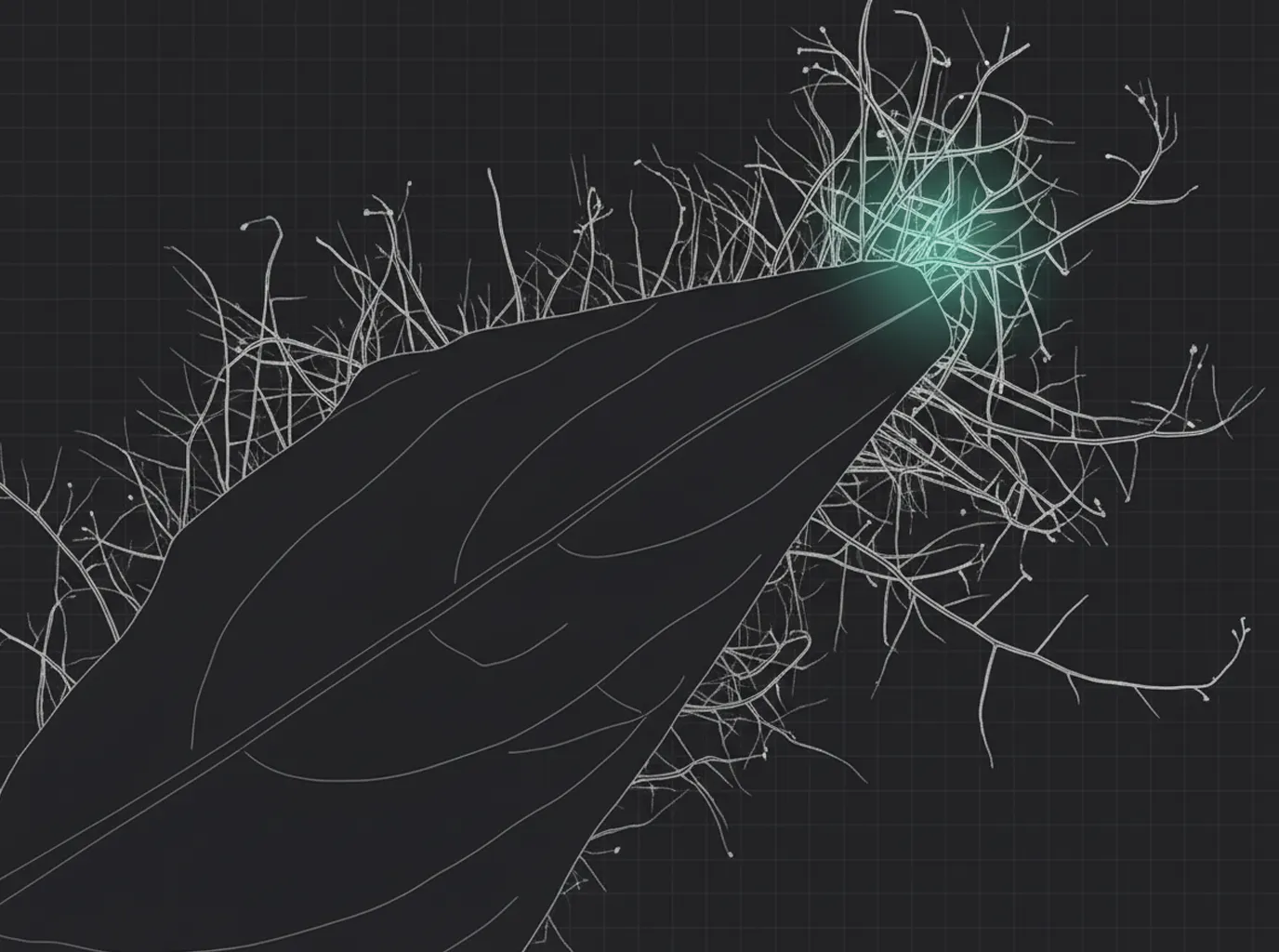
Staghorn algae appears as gray-green bushy tufts with branching structures resembling deer antlers growing on plant leaves, equipment, and hardscape. Unlike most algae, staghorn belongs to red algae family (Rhodophyta) despite its grayish coloration. In most tanks, staghorn algae indicates CO₂ instability or inconsistent flow patterns rather than simple nutrient excess.
The condition signals system instability, particularly CO₂ fluctuations or low circulation areas. Staghorn is NOT immediately harmful but grows aggressively, smothering plant leaves and creating unsightly tufts within 2 to 3 weeks. This is usually the point when aquarists realize their CO₂ system needs attention or flow optimization is required.
Staghorn algae is caused by fluctuating CO₂ levels (day-to-day inconsistency), poor water circulation creating dead zones, and organic waste accumulation in low flow areas. You'll often notice it appears on equipment near filter outlets, older plant leaves with reduced defenses, and edges of slow-growing plants where flow stagnates.
What to do immediately:
- Stabilize CO₂ injection to consistent 25 to 30 ppm (eliminate fluctuations)
- Check and repair any CO₂ leaks or timer issues
- Increase water circulation with additional powerhead or adjust filter output
- Spot treat existing staghorn with hydrogen peroxide (1 to 2 ml per affected area)
- Consider liquid carbon (Excel, Easy Carbon) for supplemental control
- Remove heavily affected leaves rather than attempting to save them
When not to panic:
- Small isolated tufts on single leaf or decoration (easily spot treated)
- Staghorn appears during CO₂ system adjustment period (temporary while dialing in)
- Slow-growing Anubias or Java fern show minor staghorn (common on these species)
When to take action:
- Staghorn spreading to multiple plants weekly (indicates ongoing instability)
- Tufts appearing on equipment and filter outputs (shows poor flow)
- CO₂ drop checker showing inconsistent color day to day
- Staghorn returns repeatedly after treatment (root cause not addressed)
What Is Staghorn Algae?
Staghorn algae represents a distinct red algae species requiring specific identification for proper treatment. Understanding its biology reveals why it differs from similar-looking black beard algae.
Biological Classification
Staghorn algae belongs to phylum Rhodophyta (red algae), specifically Compsopogon species. Despite red algae classification, aquarium staghorn appears gray-green or bluish-gray due to pigment ratios in submerged conditions. The organism is multicellular with branching filamentous structure creating characteristic bushy appearance.
Cell structure includes thick cell walls making staghorn physically tougher than green algae. Growth occurs through cell division at branch tips creating elongating antler-like structures. Under microscope, staghorn shows regular branching pattern with consistent branch angles distinguishing it from random hair algae growth.
Visual Identification
Recognizing staghorn quickly prevents confusion with black beard algae requiring different treatment approaches.
Appearance characteristics:
Physical features provide reliable staghorn identification without microscopy.
- Color ranges from gray-green to bluish-gray or dark green (not black)
- Structure shows dense bushy tufts with multiple branching (resembles miniature deer antlers)
- Texture feels coarse and tough when rubbed between fingers (not slimy)
- Length typically 3 to 10 millimeters per tuft (occasionally longer if neglected)
- Growth pattern shows distinct tufts with clear attachment points (not continuous film)
Affected locations:
Staghorn colonizes specific areas revealing flow and CO₂ distribution issues.
Equipment surfaces show staghorn prominently. Filter intake and output areas develop heavy tufts where flow creates turbulence. Heater surfaces and thermometer tubes accumulate staghorn in low circulation zones. CO₂ diffuser exteriors often host staghorn despite high local CO₂ (surface flow issues).
Plant leaves show preferential colonization patterns. Older mature leaves develop staghorn more readily than young growth. Leaf edges and tips accumulate tufts where flow slows. Slow-growing species like Anubias, Java fern, and Cryptocoryne show higher susceptibility. Fast-growing stem plants rarely develop staghorn except on oldest leaves.
Hardscape provides attachment surfaces in specific zones. Driftwood areas with low flow host staghorn colonies. Rock surfaces facing away from main flow develop tufts. Decorations in tank corners with poor circulation accumulate staghorn preferentially.
Staghorn behavior patterns:
Growth characteristics distinguish staghorn from other algae types.
Initial colonization appears as single small gray-green spot (1 to 2 millimeters). Within 3 to 5 days, branching begins creating miniature bush structure. By week 2, tuft expands to 5 to 8 millimeters showing clear antler pattern. Mature tufts can reach 15 to 20 millimeters if left untreated for months.
Staghorn vs Black Beard Algae (BBA)
These closely related red algae require careful distinction for targeted treatment.
| Feature | Staghorn Algae | Black Beard Algae |
|---|---|---|
| Color | Gray-green to bluish-gray | Dark gray to true black |
| Structure | Bushy branching tufts (3D structure) | Short dense hair-like strands (2D mat) |
| Length | 3 to 10 mm tufts | 1 to 5 mm strands |
| Texture | Coarse, tough, thick tufts | Fine hair-like, dense mat |
| Growth pattern | Distinct separated tufts | Continuous spreading carpet |
| Preferred location | Equipment, leaf edges, low flow | Leaf edges, high flow areas |
| Primary cause | CO₂ fluctuation, low circulation | Low CO₂, excess organics |
| Alcohol test | Turns reddish-pink | Turns pink to red |
The alcohol test:
Remove small sample of suspect algae. Place in container with rubbing alcohol (70 percent isopropyl). Observe after 30 seconds. Both staghorn and BBA turn pink or reddish (confirms red algae family). Color intensity and exact shade vary but doesn't reliably distinguish between types.
The key distinguisher is structure. Staghorn forms distinct bushy tufts with clear branching. BBA creates dense hair-like mat or beard. Staghorn tufts stand away from surface in 3D structure. BBA lies flatter against surfaces in 2D pattern.
Why Staghorn Algae Happens
Understanding root causes reveals why staghorn appears suddenly despite stable nutrient levels. Once causes are clear, prevention becomes straightforward.
Primary Cause 1: CO₂ Fluctuation and Instability
Consistent CO₂ levels prevent staghorn while day-to-day fluctuations trigger establishment.
The CO₂ consistency requirement:
Staghorn sensitivity to CO₂ fluctuation exceeds most other algae types. Stable 25 to 30 ppm CO₂ maintained daily prevents staghorn colonization. Fluctuations between 15 to 35 ppm across different days create vulnerability window. Even plants tolerating these swings experience cellular stress allowing staghorn attachment.
This is why staghorn often appears in tanks with CO₂ injection. Systems with inconsistent delivery create ideal conditions. Tanks without CO₂ show less staghorn (no fluctuation despite low baseline). Stable low CO₂ (10 to 15 ppm consistently) resists staghorn better than fluctuating high CO₂ (20 to 40 ppm varying daily).
Common CO₂ fluctuation sources:
Multiple factors create inconsistent CO₂ delivery disrupting system stability.
CO₂ system leaks or inconsistencies: Slow leaks at connections cause gradual pressure drop reducing delivery rate. Regulator creep allows working pressure to drift over days affecting bubble rate. Solenoid malfunction creates irregular on-off cycling. CO₂ cylinder near empty shows declining pressure affecting consistency. These issues create day-to-day variation even with stable bubble count.
Timer or photoperiod changes: CO₂ timer failure causes missed injection days. Frequent photoperiod adjustments alter CO₂ on-duration creating instability. Power outages disrupt CO₂ schedule recovery. Manual intervention (forgetting to turn on CO₂) introduces gaps.
Temperature fluctuations: Seasonal temperature swings alter CO₂ solubility in water. Summer heat reduces dissolved CO₂ despite consistent injection. Winter cold increases CO₂ retention but may affect regulator performance. Heater malfunction creates temperature instability affecting CO₂ dynamics.
Diffuser performance degradation: Ceramic diffusers clog gradually reducing dissolution efficiency. Bubble size increases as diffuser ages decreasing CO₂ absorption. Cleaning schedules affecting diffuser efficiency create periodic fluctuation. Biofilm accumulation on diffuser reduces performance until cleaning.
In practice, you'll often notice staghorn appears 1 to 2 weeks after CO₂ system changes or issues begin. The lag reflects time required for algae spores to germinate and visible tufts to develop.
Primary Cause 2: Poor Water Circulation and Flow
Inadequate circulation creates low-flow zones where staghorn establishes preferentially.
The flow requirement:
Staghorn thrives in areas with poor circulation rather than high flow zones. Low flow allows organic particles to settle and accumulate. Stagnant areas experience reduced CO₂ distribution despite adequate tank-wide levels. Limited water movement reduces competition from faster-growing organisms.
Equipment surfaces in turbulent but stagnant zones show heavy colonization. Filter output creates turbulence but immediately adjacent surfaces experience flow shadow. Heater bodies disrupt flow creating downstream dead zone. Intake tubes in corners receive minimal circulation from main tank flow.
Plant leaf edges in low-flow areas accumulate staghorn while well-circulated leaves remain clean. Tank corners opposite filter output show poorest circulation. Behind large hardscape pieces creates flow shadows hospitable for staghorn. Lower tank regions in tanks with surface-oriented flow patterns develop staghorn preferentially.
Flow distribution issues:
Several scenarios create insufficient circulation enabling staghorn establishment.
Undersized or improperly positioned filtration: Filter turnover rate under 5 times tank volume per hour provides insufficient circulation. Single filter outlet creates strong flow in one direction with dead zones elsewhere. Filter output aimed at water surface rather than distributing through tank volume. Return positioned in corner rather than along longer wall.
Obstructed flow patterns: Dense plant growth blocks circulation to lower tank areas. Large hardscape pieces create extensive flow shadows. Multiple decorations clustered together create stagnant zone in center. Filter intake and output too close together short-circuits circulation.
Tank shape limitations: Very long tanks (over 120 cm) difficult to circulate with single filter. Rimless tanks with low water level reduce effective filter output angle. Cube-shaped tanks need multiple circulation sources for adequate flow. Tanks over 60 cm depth struggle with vertical circulation.
Primary Cause 3: Organic Waste Accumulation
Excess organics in low-flow areas provide nutrient base for staghorn colonization.
Organic accumulation mechanism:
Detritus and organic particles settle in low-circulation areas. Dead plant material accumulates in corners and behind hardscape. Uneaten food collects in stagnant zones. Filter media degradation releases fine particles into system. These organic accumulations create localized nutrient hotspots.
This is where staghorn establishes initial colonies. Organic-rich microenvironments support early growth before visible tufts develop. Poor circulation prevents export of organics through filtration. Combined with CO₂ fluctuation, organic accumulation accelerates staghorn establishment.
Contributing factors to organic buildup:
Multiple practices inadvertently increase organic accumulation supporting staghorn.
Overfeeding fish creates excess food settling in low-flow zones. Inconsistent maintenance allows detritus accumulation over weeks. Dying plant leaves left in tank release organics during decomposition. Filter maintenance delays allow organic buildup in media. Overstocked tanks produce more waste than circulation can distribute.
Primary Cause 4: Plant Stress and Vulnerability
Stressed plants with weakened defenses allow easier staghorn colonization.
Plant defense mechanisms:
Healthy plants produce surface compounds and maintain cellular integrity resisting algae attachment. Allelopathic chemicals released by vigorous plants inhibit algae settlement. Strong new growth outpaces algae colonization attempts. Healthy leaf cuticle provides smooth surface difficult for algae attachment.
Stressed plants show reduced defenses allowing staghorn establishment. CO₂ fluctuation stresses plants even while promoting staghorn. Nutrient deficiencies weaken cellular integrity. Light intensity mismatched to CO₂ availability creates chronic stress. Old leaves with declining metabolism become vulnerable to colonization.
High susceptibility plant types:
Certain species show greater staghorn vulnerability regardless of care quality.
Slow-growing plants maintain old leaves longer creating extended vulnerability window. Anubias species with very slow turnover accumulate staghorn readily. Java fern and Bolbitis show high susceptibility. Cryptocoryne leaves persist for months becoming targets. Bucephalandra and other slow epiphytes develop staghorn easily.
Fast-growing stem plants rarely develop staghorn on new growth. Old lower leaves of stems may host staghorn before dying off naturally. Carpet plants with rapid turnover shed potentially colonized leaves before visible infection.
How to Diagnose Staghorn Algae
Proper diagnosis distinguishes staghorn from similar red algae requiring confirmation before treatment. With diagnosis confirmed, treatment selection becomes straightforward.
Visual Confirmation
Simple observation provides reliable staghorn identification without specialized equipment.
Three-step visual identification:
These tests confirm staghorn versus similar algae types.
Structure test: Examine algae closely with magnification if available. Staghorn shows distinct bushy structure with multiple branches radiating from attachment point. Individual tufts appear separated rather than continuous mat. Branching pattern shows regular angles creating antler-like appearance. Compare to reference images confirming structural match.
Color assessment: Observe algae color under good lighting conditions. Staghorn appears gray-green, bluish-gray, or dark green (never true black). Color differs noticeably from black beard algae dark appearance. Some green tinge typically visible distinguishing from pure black or dark gray.
Location pattern: Document where algae appears most heavily. Staghorn preferentially colonizes equipment surfaces (filter pipes, heaters). Older plant leaves show tufts while new growth remains clean. Low-circulation areas host more staghorn than high-flow zones. This pattern distinguishes from BBA often appearing in higher flow.
System Analysis for Root Causes
Identifying contributing factors allows targeted correction beyond symptom treatment.
CO₂ system evaluation:
Assess CO₂ consistency as primary diagnostic step.
Check drop checker color throughout photoperiod. Consistent green color indicates stable CO₂ (desirable). Color shifting from yellow to green to blue across day indicates fluctuation (staghorn risk). Color varying between days suggests system inconsistency requiring investigation.
Test for leaks at all connections using soapy water. Bubbles indicate leak creating gradual pressure loss. Check cylinder pressure gauge for normal reading (over 500 psi when more than quarter full). Monitor bubble count consistency over multiple days. Significant variation suggests regulator or solenoid issues.
Verify timer operation for consistent daily CO₂ schedule. Confirm solenoid clicks on and off reliably. Check working pressure stability (should remain constant at set value). Replace aging regulators showing creep or inconsistent delivery.
Flow pattern assessment:
Evaluate circulation adequacy revealing flow-related colonization.
Observe plant movement throughout tank. Gentle consistent movement indicates good circulation. Stationary plants or dead zones reveal insufficient flow. Drop food or small particle near suspected dead zone. Particle remaining stationary for over 30 seconds confirms poor circulation.
Calculate filter turnover rate (gallons per hour divided by tank volume). Target minimum 5 times turnover for planted tanks. 10 times turnover ideal for high-tech systems. Below 5 times suggests undersized filtration or clogged media.
Check for flow obstructions blocking circulation. Large hardscape or dense planting may create extensive shadows. Reposition decorations or thin plants improving flow distribution. Consider adding supplemental powerhead in opposite corner from filter output.
Maintenance and organic load review:
Assess organic accumulation potential in system.
Review feeding frequency and amount. More than once daily or uneaten food indicates overfeeding. Check filter media condition during maintenance. Excessive brown sludge suggests organic buildup. Inspect low-flow tank areas for visible detritus accumulation.
Count weeks since last significant maintenance. Over 3 weeks between thorough cleanings allows organic buildup. Test nitrate levels as organic load indicator. Consistently over 40 ppm suggests excess organics or insufficient export.
How to Remove Staghorn Algae
Multiple treatment approaches exist with dramatically different effectiveness and collateral impact. Understanding mechanisms reveals optimal treatment combinations.
Method 1: Hydrogen Peroxide Spot Treatment (Most Effective Direct Treatment)
Hydrogen peroxide (H₂O₂) provides targeted staghorn elimination with minimal plant impact when used correctly.
Hydrogen peroxide mechanism:
H₂O₂ oxidizes organic material through free radical production. Concentrated application overwhelms algae cellular defenses causing rapid death. Algae cells lyse (burst) within minutes of contact. Dead algae turns white or pink then decays over 24 to 48 hours. Diluted H₂O₂ breaks down into water and oxygen within hours becoming harmless.
Spot treatment application method:
This technique treats individual staghorn tufts without tank-wide dosing.
Turn off filter and circulation for 10 minutes before treatment (prevents immediate dispersion). Use syringe (1 ml, 3 ml, or 5 ml capacity) to draw 3 percent hydrogen peroxide. Target individual staghorn tufts applying 1 to 2 ml directly onto tuft. H₂O₂ should coat tuft completely. Treat maximum 10 to 15 tufts per session to limit total H₂O₂ introduced.
Wait 5 minutes after application allowing H₂O₂ contact time. Staghorn begins turning white or pinkish during this period. Resume filtration after 5 minute contact period. Algae will appear dead (white or pale) within 30 minutes. Complete decay and disappearance takes 2 to 3 days.
Application variations by location:
Different surfaces require adapted application techniques.
For equipment staghorn, remove equipment from tank if possible and apply H₂O₂ directly. Let sit 2 minutes then rinse before returning to tank. For in-tank equipment, apply with syringe as close to surface as possible. Multiple small applications better than single large dose.
For plant leaf staghorn, hold syringe 1 to 2 centimeters from tuft. Apply slowly allowing H₂O₂ to coat algae without excessive dripping. Some plant species tolerate direct H₂O₂ better than others. Hardy plants (Anubias, Java fern, most stems) handle treatment well. Delicate species (some mosses, fine-leaved stems) may show leaf damage.
For hardscape staghorn, apply liberally as rock and wood tolerate H₂O₂ without damage. Can use cotton swab dipped in H₂O₂ for precise application. Or use spray bottle with 3 percent H₂O₂ for larger areas.
Dosing safety guidelines:
Proper H₂O₂ use prevents fish stress and plant damage.
Use only 3 percent hydrogen peroxide (standard drugstore concentration). Never use higher concentrations requiring dilution. Maximum spot treatment amount: 2 ml per gallon of tank water in single session. Wait 3 to 4 days between treatment sessions allowing full H₂O₂ breakdown. Observe fish behavior during treatment for any stress signs (gasping, erratic swimming).
Remove carbon from filter before treatment (adsorbs H₂O₂ reducing effectiveness). Can add carbon 24 hours post-treatment to remove any residual H₂O₂ though not necessary. Keep H₂O₂ bottle sealed and refrigerated to maintain potency (degrades over time).
Expected results:
Timeline shows treatment effectiveness and necessary follow-up.
Immediate (5 to 30 minutes): Treated staghorn turns white, pink, or pale gray indicating death. Day 1 to 3: Dead algae breaks apart and disappears as decomposition completes. Week 1 to 2: New growth may appear on previously treated surfaces if root causes not addressed. Month 1: Areas treated plus root cause correction remain algae-free long-term.
Advantages:
- Highly effective killing staghorn on contact (95 percent plus success)
- Targeted application minimizes impact on tank inhabitants
- Fast visible results (dead algae within minutes)
- Inexpensive and readily available (drugstore purchase)
Disadvantages:
- Requires individual tuft treatment (time-consuming for heavy infestations)
- Must address root causes or staghorn returns within weeks
- Risk of plant damage if over-applied or used on delicate species
- Doesn't prevent new colonization without system correction
Method 2: Liquid Carbon (Excel, Easy Carbon) Dosing
Liquid carbon products provide both treatment and prevention through glutaraldehyde algaecide properties.
Liquid carbon mechanism:
Products contain glutaraldehyde (Excel) or similar compounds acting as algaecide. Compounds disrupt algae cellular processes while plants tolerate exposure. Regular dosing creates inhospitable environment for algae establishment. Effect accumulates over weeks rather than immediate kill like H₂O₂.
Dosing protocols:
Two approaches serve different purposes in staghorn control.
Standard preventive dosing: Dose daily at manufacturer recommended rate (typically 1 ml per 10 gallons). Add after lights turn on for optimal plant utilization. Continue indefinitely as ongoing prevention measure. Provides mild suppression preventing new staghorn establishment. Less effective treating existing heavy infestations.
Aggressive treatment dosing: Dose at 2 to 3 times normal rate for 1 to 2 weeks. Typically 2 to 3 ml per 10 gallons daily during treatment phase. Monitor plants and fish for stress (some species sensitive). After 2 weeks, reduce to standard prevention dose. More effective against existing staghorn than standard dosing.
Spot treatment with Excel:
Alternative application method provides concentrated exposure.
Turn off circulation for 5 minutes. Use syringe to apply Excel directly to staghorn tufts (1 to 2 ml per tuft). Wait 5 minutes before resuming circulation. Repeat every other day for 1 week. Effectiveness lower than H₂O₂ but useful if H₂O₂ unavailable.
Plant and fish sensitivity:
Several species show sensitivity requiring cautious use.
Sensitive plants include Vallisneria (melts with Excel), some mosses (Riccia, Fissidens), Egeria, Elodea, and Najas. Start with half dose and observe for 1 week before increasing. Discontinue if melting or browning appears.
Most fish tolerate Excel well at standard doses. Sensitive species include some tetras, rasboras, and dwarf shrimp. Monitor closely and reduce dose if stress observed. Never exceed 3 times recommended dose even for treatment.
Advantages:
- Provides ongoing prevention with daily dosing
- Easy to apply (add to water column)
- Acts as carbon source benefiting plants
- Safer than chemical algaecides for tank inhabitants
Disadvantages:
- Less effective than H₂O₂ for killing existing staghorn
- Requires ongoing purchases (recurring cost)
- Some plant species very sensitive to glutaraldehyde
- Must continue dosing indefinitely for prevention benefits
Method 3: Manual Removal
Physical removal eliminates visible staghorn but doesn't address root causes.
Removal techniques by location:
Different surfaces require specific approaches for effective removal.
For plant leaves with heavy staghorn, remove entire affected leaf at base. Trying to clean leaf often damages tissue and proves futile. Healthy plants quickly produce replacement growth. Focus removal on old leaves with heavy infection rather than minor tufts.
For equipment with staghorn, remove from tank and scrub with old toothbrush. Soak in hydrogen peroxide or bleach solution (10 to 1 water to bleach) for 30 minutes. Rinse thoroughly before returning to tank. For equipment that can't be removed, scrub in place weekly.
For hardscape staghorn, brush vigorously with stiff brush during water change. Some staghorn dislodges but stubborn colonies remain attached. Consider removing decoration for bleach treatment (30 minutes in 10 to 1 solution). Rinse thoroughly and soak in dechlorinator before returning.
Manual removal limitations:
Physical removal provides temporary relief without lasting solution.
Staghorn attachment is very strong making complete removal difficult. Brushing removes visible tufts but leaves microscopic base allowing regrowth. Regrowth appears within 1 to 2 weeks if conditions remain favorable. Manual removal becomes endless cycle without addressing CO₂ stability and flow issues.
This is why manual removal works best combined with system corrections. Remove visible staghorn while simultaneously stabilizing CO₂ and improving circulation. Prevents rapid recolonization providing lasting clearance.
Advantages:
- Immediate reduction in visible algae
- No chemicals or treatments required
- Safe for all plants and fish
- Useful for heavy infestations before chemical treatment
Disadvantages:
- Very labor-intensive for widespread staghorn
- Incomplete removal leaves algae base for regrowth
- Purely temporary without root cause correction
- Can damage plants if removing leaves aggressively
Method 4: Algae-Eating Crew
Few organisms effectively consume staghorn due to its tough structure.
Limited effectiveness of algae eaters:
Staghorn's tough cell walls and coarse structure resist most algae eaters.
Most commonly recommended algae eaters ignore staghorn completely. Otocinclus, nerite snails, and Amano shrimp rarely touch established staghorn. They may consume very young staghorn in early colonization stage. Mature tufts prove too tough for most algae-eating species.
Partially effective species:
A few organisms show some staghorn consumption.
Siamese algae eaters (true SAE, Crossocheilus oblongus) occasionally consume staghorn though prefer softer algae. Florida flagfish (Jordanella floridae) reported eating some staghorn but require cooler temperatures. Certain snail species (ramshorn, pond snails) may consume dead or dying staghorn after treatment. However, none provide reliable staghorn control as primary strategy.
This is why algae eaters serve supporting role rather than primary treatment. They help clean up dead staghorn after H₂O₂ treatment. May prevent new colonization by grazing early stages. Don't expect them to clear existing mature staghorn.
Prevention Strategy
Understanding prevention transforms one-time treatment into permanent resolution. Once treatment clears visible staghorn, prevention becomes essential.
Stabilize CO₂ Injection System
Consistent CO₂ delivery represents most critical staghorn prevention factor.
CO₂ system optimization:
These steps ensure consistent daily CO₂ levels eliminating fluctuation.
Check all connections for leaks using soapy water monthly. Tighten any connections showing bubbles. Replace aging tubing or cracked fittings before failures occur. Keep spare check valve and tubing for quick replacement when needed.
Monitor bubble rate consistency by counting bubbles at same time daily. Variation over 10 percent suggests system issue requiring investigation. Mark ideal bubble count on tank or diffuser for reference. Adjust only small amounts (5 to 10 percent change maximum) waiting 3 days to assess effect.
Verify drop checker shows consistent color throughout photoperiod and between days. Target steady green color (not yellow to green to blue oscillation). Keep drop checker solution fresh (replace monthly) for accurate reading. Position drop checker in medium flow area for representative reading.
Service regulator annually checking for working pressure creep. Replace regulator if unable to maintain stable pressure. Keep spare solenoid for quick replacement if failure occurs. Replace CO₂ cylinder before fully empty preventing inconsistent end-of-tank performance.
Achieving stable 25 to 30 ppm CO₂:
This range provides optimal plant growth while preventing staghorn establishment.
Start CO₂ 1 to 2 hours before lights turn on allowing full dissolution before photoperiod. Run CO₂ for entire photoperiod plus 1 hour before lights (not just photoperiod duration). Turn off CO₂ when lights turn off or 1 hour before (prevents overnight pH crash). Maintain this exact schedule daily without variation.
Test pH morning (lights off, no CO₂) and afternoon (lights on, CO₂ running) for 3 days. Calculate CO₂ level from pH drop (1.0 pH drop equals approximately 30 ppm CO₂). Adjust bubble rate incrementally achieving target consistent 0.8 to 1.0 pH drop. Retest weekly for 3 weeks confirming stability.
Optimize Water Circulation and Flow
Adequate circulation eliminates low-flow dead zones where staghorn establishes.
Flow distribution strategies:
Multiple approaches improve circulation addressing staghorn colonization sites.
Calculate current turnover rate dividing filter GPH by tank volume. Target minimum 5 times turnover (10 times ideal for planted tanks). If under 5 times, upgrade filter or add supplemental circulation. Clean filter media monthly maintaining maximum flow rate.
Position filter output for maximum tank distribution. Aim output along longest tank dimension creating flow across length. Angle slightly downward promoting vertical circulation. Avoid aiming at water surface which creates turbulence without tank circulation.
Add powerhead or wavemaker in corner opposite filter output. Use adjustable flow powerhead starting at low setting. Position to create circular flow pattern with filter output. Increase gradually until all plant leaves show gentle movement.
Ensure no major flow obstructions blocking circulation. Reposition large hardscape allowing flow around and behind. Thin dense plant growth in areas creating flow shadows. Leave clear circulation paths from filter output through tank volume.
In practice, you'll often notice staghorn clearance and prevention requires addressing every dead zone. Residual staghorn in single low-flow corner can reseed entire tank.
Maintain Consistent Stable Parameters
Parameter consistency supports plant health and resistance to algae colonization.
Reduce organic accumulation:
Lower organic load through maintenance consistency and feeding discipline.
Feed fish once daily only amount consumed in 2 to 3 minutes. Skip 1 to 2 days weekly allowing tank to process accumulated organics. Remove uneaten food within 5 minutes if overestimated amount. Use sinking foods for bottom feeders preventing surface organic accumulation.
Perform weekly maintenance including gravel vacuuming in open areas. Remove dead or dying plant leaves immediately (before decay begins). Clean filter intake pre-filter or sponge weekly removing trapped organics. Conduct 25 to 50 percent water changes weekly exporting dissolved organics.
Trim old slow-growing plant leaves showing early staghorn colonization. Remove entire leaf at base rather than attempting cleaning. Plants rapidly replace removed leaves with fresh growth. Proactive removal prevents heavy infestation requiring extensive treatment.
Parameter monitoring:
Regular testing identifies developing issues before visible algae.
Test CO₂ level via drop checker daily during staghorn-prone periods. Test nitrate weekly keeping under 40 ppm through water changes. Check pH stability ensuring consistent readings at same time daily. Monitor GH and KH monthly confirming stable mineral content.
Plant Health Optimization
Healthy vigorous plants resist staghorn colonization through multiple mechanisms.
Support fast plant growth:
Rapidly growing plants outcompete algae and shed potentially colonized leaves quickly.
Maintain consistent fertilizer dosing schedule (don't skip doses or dose irregularly). Provide adequate macronutrients (nitrogen, phosphorus, potassium) for growth rate. Ensure sufficient micronutrients (iron, manganese, etc.) preventing deficiencies. Match fertilization to light intensity and CO₂ level for balanced system.
Maintain lighting schedule appropriate for plant selection and CO₂ availability. Don't change photoperiod frequently (creates instability favoring algae). Keep 6 to 8 hour photoperiod for high-tech tanks (not 10 to 12 hours). Consistent shorter photoperiod more stable than longer irregular periods.
Manage slow-growing species:
Accept higher staghorn susceptibility of slow species like Anubias and Java fern.
Position slow growers in good flow areas minimizing dead zones. Prune old leaves proactively before heavy staghorn establishes. Consider occasional hydrogen peroxide spot treatment for minor tufts. Accept that slow growers may require ongoing minor maintenance.
System Interactions
Staghorn algae exists within interconnected system where multiple factors influence establishment and persistence. Understanding these relationships enables comprehensive prevention.
Light
Light intensity affects staghorn indirectly through plant health rather than direct growth promotion.
Moderate light (40 to 60 PAR) supports healthy plant growth without excess energy favoring algae. High light (over 80 PAR) without proportional CO₂ stresses plants creating vulnerability. Low light (under 30 PAR) weakens plant defenses though reduces total algae growth potential. Duration matters less than consistency (variable photoperiod creates instability).
This is why staghorn appears in both low and high light tanks. Light level doesn't directly control staghorn like green algae. Instead, light-CO₂-nutrient balance determines plant health affecting staghorn resistance.
CO₂
CO₂ consistency represents most critical factor for staghorn control exceeding all other parameters.
Stable 25 to 30 ppm eliminates staghorn even with moderate flow or light issues. Fluctuating CO₂ (15 to 40 ppm varying daily) triggers staghorn despite optimal flow and nutrients. No CO₂ systems rarely show staghorn (no fluctuation though low baseline). Adding unstable CO₂ to non-CO₂ tank often introduces staghorn problems.
Interestingly, very high stable CO₂ (35 to 40 ppm consistently) prevents staghorn as effectively as moderate stable levels. The key is consistency not absolute level. However, fish safety limits practical maximum to 30 to 35 ppm.
Nutrients
Nutrient availability affects staghorn less directly than CO₂ or flow.
Excess nutrients (nitrate over 40 ppm, phosphate over 3 ppm) don't cause staghorn specifically. However, excess nutrients support algae growth once it establishes. Nutrient deficiency weakens plants allowing easier colonization. Optimal range (nitrate 10 to 30 ppm, phosphate 1 to 2 ppm) supports plants without excess.
In practice, staghorn appears in both high and low nutrient tanks. Nutrient levels matter less than CO₂ stability and flow adequacy. Focus CO₂ correction before adjusting nutrients for staghorn control.
Substrate
Substrate contributes organic matter and influences flow patterns near substrate level.
Aquasoil substrates with high organic content may support staghorn if disturbed releasing organics. Inert substrates minimize organic contribution but don't prevent staghorn. Deep substrate (over 5 cm) creates anaerobic zones if circulation poor. Thick substrate layers can obstruct near-bottom flow creating dead zones.
Substrate primarily matters through flow interaction. Ensure circulation reaches substrate level preventing organic accumulation. Avoid extremely deep substrate beds (over 7 to 8 cm) in tanks with marginal flow.
Filtration
Filtration affects staghorn through circulation, organic export, and CO₂ distribution.
Adequate turnover rate (5 to 10 times per hour) ensures good circulation preventing dead zones. Filter removes organic particles preventing accumulation and staghorn nutrient base. Mechanical filtration exports waste before decomposition. Biological filtration processes dissolved organics into less available forms.
Filter maintenance consistency prevents gradual flow reduction from clogged media. Decreasing flow creates expanding dead zones allowing staghorn establishment. Regular cleaning maintains design flow rate preventing circulation degradation.
Stability
System stability determines staghorn susceptibility beyond individual parameter values.
Stable mature tanks resist staghorn even with minor CO₂ fluctuations or flow limitations. Unstable systems with frequent changes show high vulnerability. Recent tank modifications (rescaping, new CO₂ system, changed lighting) create transition period with elevated risk. Consistent conditions for 4 to 6 weeks establish resistance to staghorn.
This explains why identical tank parameters produce different staghorn outcomes. Underlying stability creates resistance that parameter matching alone cannot replicate. Building stability through consistent practices provides lasting prevention.
Advanced: Mechanism & Biology
Understanding staghorn cellular biology and ecological relationships reveals why specific treatments work while others fail.
Red Algae Characteristics and Adaptations
Staghorn's red algae classification explains unique properties distinguishing it from green algae.
Red algae (Rhodophyta) evolved distinct photosynthetic pigments including phycoerythrin (red pigment) and phycocyanin (blue pigment). These pigments absorb green and blue light allowing growth in lower or different light spectra. Cell walls contain complex polysaccharides (carrageenans, agars) creating tough structure. Cells connect via pit connections allowing resource sharing between cells.
In aquarium conditions, pigment ratios shift creating gray-green appearance rather than red. Submerged freshwater conditions favor chlorophyll expression over phycoerythrin. This explains why aquarium red algae appear gray or green despite red classification. Only alcohol exposure reveals red pigment (alcohol dissolves other pigments leaving phycoerythrin visible).
Growth Patterns and Reproduction
Staghorn growth follows predictable patterns explaining appearance and spread.
Initial colonization occurs from microscopic spores present in all aquariums. Spores settle on surfaces attempting establishment continuously. Most attempts fail on healthy plants with good defenses. Successful attachment occurs on stressed plants, equipment, or in organic-rich locations.
Cell division at branch tips creates elongating structure. Regular branching produces characteristic antler pattern. Growth rate approximately 1 to 2 millimeters per week under favorable conditions. Mature tufts release spores back into water column spreading to new locations.
This is why staghorn appears suddenly despite absence in prior months. Spores always present but only establish when conditions favor. Once visible tufts form, they seed new colonies accelerating spread. Early intervention prevents exponential expansion.
Hydrogen Peroxide Effectiveness
H₂O₂ kills staghorn through oxidative damage overwhelming cellular defenses.
Concentrated H₂O₂ generates hydroxyl radicals (highly reactive molecules) that attack cellular components. Cell membranes rupture from lipid peroxidation. DNA and proteins denature from oxidative damage. Photosynthetic pigments bleach (causing white appearance). Cell death occurs within minutes of adequate exposure.
The concentration difference explains spot treatment success. Brief exposure to 3 percent H₂O₂ provides concentrated dose overwhelming algae. Background tank concentration after dilution becomes minimal (typically under 0.01 percent). Plants tolerate brief concentrated exposure better than algae due to larger cell size and protective tissues.
Flow Requirements and Microenvironments
Staghorn's preference for low-flow areas reflects specific ecological requirements.
Stagnant zones allow organic particle accumulation creating nutrient-rich microenvironment. Limited water movement reduces grazing pressure from organisms that might consume early colonization. Reduced flow creates CO₂ distribution variations even in tanks with adequate average levels. These factors combine creating favorable niche for staghorn establishment.
This explains why improved circulation eliminates staghorn. Enhanced flow exports organic particles preventing accumulation. Better CO₂ distribution eliminates local deficiencies. Increased water movement may physically limit attachment success. The multiple mechanisms work synergistically through flow improvement.
Advanced: System Stability Analysis
Examining why some tanks show persistent staghorn while others remain algae-free reveals stability principles.
The CO₂ Stability Window
Staghorn susceptibility shows sharp threshold around CO₂ consistency.
Tanks maintaining CO₂ within 5 ppm variation day-to-day rarely develop staghorn. Variation of 10 to 15 ppm creates moderate risk with occasional small outbreaks. Fluctuation over 20 ppm daily creates high staghorn risk with persistent blooms. The threshold reflects plant stress versus algae opportunity balance.
In most tanks, you'll often notice staghorn appears 10 to 14 days after CO₂ destabilization begins. Plants tolerate fluctuation initially through stored resources. After 1 to 2 weeks of inconsistency, cellular stress accumulates creating vulnerability. Staghorn spores establish during this vulnerability window. Restabilizing CO₂ allows plant recovery and algae clearance.
Flow Pattern Evolution
Tank flow patterns change over time affecting staghorn susceptibility.
New tanks with sparse planting show excellent circulation initially. As plants grow, dense areas create flow shadows. After 3 to 6 months, mature planting can reduce effective circulation significantly. Staghorn appears in newly created low-flow zones rather than changing water chemistry.
This is usually where established tanks develop unexpected staghorn. Initial circulation proved adequate but plant growth altered flow dynamics. Regular pruning maintains flow paths preventing dead zone development. Alternatively, supplemental powerhead compensates for reduced filter effectiveness.
Treatment Response Patterns
Tank response to staghorn treatment reveals underlying system health.
Rapid clearance after H₂O₂ treatment with no recurrence indicates good underlying stability. System simply needed visible algae reset. Clearance followed by slow recurrence (over 4 to 8 weeks) suggests minor remaining instability. Rapid recurrence within 2 weeks indicates significant unresolved issues requiring investigation.
Staghorn limited to equipment surfaces after correction indicates flow issue isolated to turbulent zones. Widespread distribution including plant leaves suggests broader CO₂ or organic accumulation problems. Treatment response pattern guides diagnostic focus for persistent cases.
Common Myths About Staghorn Algae
Myth 1: "Staghorn and black beard algae are the same"
Reality: While both are red algae and appear similar, staghorn and BBA differ in structure, appearance, and primary causes. Staghorn forms bushy branching tufts (gray-green color) while BBA creates dense hair-like mats (dark gray to black). Staghorn indicates primarily CO₂ fluctuation while BBA suggests low CO₂ baseline. Treatment overlap exists but optimal strategies differ.
Misidentification leads to inappropriate treatment focus. Treating staghorn with BBA approaches (increasing steady CO₂) helps but doesn't address fluctuation. Proper identification ensures targeted effective correction.
Myth 2: "Excel alone will clear staghorn"
Reality: Liquid carbon at standard doses provides mild suppression but rarely clears established staghorn. Aggressive dosing (2 to 3 times rate) shows better results but still less effective than hydrogen peroxide spot treatment. Excel works best as prevention measure after clearing staghorn through other means.
Relying solely on Excel often leads to frustration as staghorn persists despite weeks of dosing. Combine Excel with H₂O₂ spot treatment and system corrections for reliable clearance.
Myth 3: "Staghorn means too much light"
Reality: Light intensity doesn't directly cause staghorn. Staghorn appears in both low-light and high-light tanks with equal frequency. The determining factor is CO₂ stability and flow adequacy, not light level. Reducing light may slightly slow staghorn growth but doesn't address root cause and weakens plants.
This myth leads aquarists to reduce light unnecessarily, weakening plant defenses. Maintain appropriate light for plant selection while correcting actual causes (CO₂, flow).
Myth 4: "Algae eaters will control staghorn"
Reality: Most algae-eating species ignore staghorn due to tough structure. Even species occasionally consuming staghorn (SAE, flagfish) provide unreliable control. Don't expect otocinclus, nerite snails, or Amano shrimp to touch established staghorn. Algae eaters serve supporting role cleaning dead algae after treatment but not primary control.
This myth causes frustration when purchased algae eaters ignore staghorn completely. Use algae eaters for other algae types and dead algae cleanup, not staghorn control.
Myth 5: "Staghorn indicates phosphate excess"
Reality: Staghorn appears in both high and low phosphate tanks with equal frequency. Phosphate level (within reasonable range 0.5 to 3 ppm) doesn't determine staghorn susceptibility. CO₂ fluctuation and flow deficiency represent far more important factors. Reducing phosphate doesn't eliminate staghorn and may starve plants.
This myth leads to unnecessary phosphate limitation harming plant growth. Maintain adequate phosphate (1 to 2 ppm) while correcting actual staghorn causes.
Myth 6: "Staghorn will damage plants permanently"
Reality: Staghorn coating reduces light to leaves and looks unsightly but rarely causes permanent plant damage. Most plants tolerate staghorn presence for weeks without lasting harm. Removing staghorn-covered leaves allows plant to produce new clean growth. Only severe prolonged infestation (over 3 months of heavy coating) risks permanent harm to slow-growing species.
This myth causes excessive anxiety over minor staghorn appearance. Small isolated tufts pose minimal threat requiring simple spot treatment without emergency intervention.
FAQ
Q: Is staghorn algae harmful to my fish or plants?
A: Staghorn is not harmful to fish and only minimally harmful to plants. Fish completely ignore staghorn (neither eating nor being affected by it). Heavy staghorn coating on plant leaves reduces light penetration potentially slowing growth. However, plants tolerate staghorn for weeks without permanent damage. The main issue is aesthetic appearance rather than actual harm. Remove heavily affected leaves rather than trying to save them.
Q: What is the fastest way to remove staghorn algae?
A: Hydrogen peroxide spot treatment provides fastest staghorn elimination (dead within 30 minutes, disappeared in 2 to 3 days). Apply 1 to 2 ml of 3 percent H₂O₂ directly to each tuft using syringe. Treat maximum 10 to 15 tufts per session. Wait 3 to 4 days between treatment sessions. Combine with CO₂ stabilization and flow improvement for permanent clearance without recurrence.
Q: Why does staghorn keep coming back after treatment?
A: Staghorn returns when root causes remain unaddressed. Most commonly, CO₂ fluctuation continues despite treatment clearing visible algae. Check drop checker for consistent color day-to-day. Also verify adequate circulation reaching all tank areas. Test for CO₂ leaks and timer issues. Staghorn recurrence stops permanently once CO₂ stabilizes and flow optimizes.
Q: Can I use Excel or Easy Carbon to kill staghorn?
A: Liquid carbon products provide moderate staghorn suppression but less effective than hydrogen peroxide. Standard dosing (1 ml per 10 gallons daily) prevents new growth but slowly clears existing. Aggressive dosing (2 to 3 times normal for 2 weeks) shows better results. Spot application directly to tufts works but requires repeated treatments. Best used as prevention after H₂O₂ clears initial infestation.
Q: Will Siamese algae eaters eat staghorn?
A: True Siamese algae eaters (SAE) occasionally consume young staghorn but ignore mature tough tufts. They strongly prefer softer algae types and will only eat staghorn if no other algae available. Don't rely on SAE for staghorn control. They may help prevent recolonization by consuming early stages. Most other algae eaters (otocinclus, nerite snails, Amano shrimp) completely ignore staghorn.
Q: Is staghorn caused by low CO₂ or high CO₂?
A: Neither specifically. Staghorn is caused by fluctuating CO₂ regardless of average level. Tank with consistent 15 ppm CO₂ daily resists staghorn. Tank with 30 ppm one day and 20 ppm next day develops staghorn. The day-to-day variation stresses plants while favoring algae. Stabilize CO₂ to consistent level (25 to 30 ppm ideal) rather than focusing on absolute amount.
Q: How can I prevent staghorn in new CO₂ setup?
A: Take time dialing in CO₂ system before adding sensitive plants. Start with hardy plants (stems, crypts) that tolerate adjustment period. Set bubble rate conservatively and adjust gradually over 2 to 3 weeks. Monitor drop checker closely ensuring consistent green (not varying colors). Check all connections for leaks weekly during initial setup. Once stable for 4 weeks, system becomes resistant to staghorn.
Q: Does staghorn spread from plant to plant?
A: Staghorn spreads via microscopic spores released into water. These spores settle on surfaces attempting colonization continuously. However, healthy plants with good defenses resist colonization. Only stressed plants or favorable microenvironments allow establishment. Removing heavily infested plants reduces spore load but doesn't eliminate spread entirely. Address root causes (CO₂ stability, flow) for effective control.
Q: Can I use bleach to kill staghorn?
A: Bleach effectively kills staghorn on removed decorations or equipment (30 minutes in 10:1 water to bleach solution). Never add bleach to tank with inhabitants (extremely toxic). For in-tank treatment, use hydrogen peroxide instead (safe when properly applied). Bleach only works for items removed from tank, thoroughly rinsed, and treated with dechlorinator before returning.
Q: Why does staghorn appear on my filter equipment?
A: Equipment surfaces in turbulent but stagnant zones provide ideal staghorn colonization sites. Filter pipes create turbulence but adjacent surfaces experience flow shadow. Organic particles accumulate in these zones. CO₂ distribution may be poor despite good tank-average levels. Improve circulation around equipment or spot treat monthly with hydrogen peroxide preventing buildup.
Q: Is staghorn worse in high-tech or low-tech tanks?
A: Staghorn appears more commonly in high-tech tanks due to CO₂ injection providing fluctuation opportunity. Low-tech tanks without CO₂ rarely develop staghorn (no fluctuation possible). However, high-tech tanks with stable well-maintained CO₂ systems resist staghorn completely. Properly managed high-tech shows less staghorn than poorly maintained low-tech. System stability matters more than tech level.
Q: How long does it take to clear staghorn naturally?
A: Natural clearance without treatment takes 3 to 6 months if root causes corrected. Very slow and frustrating approach. With hydrogen peroxide spot treatment plus system correction, clearance occurs within 2 to 4 weeks. Active treatment dramatically accelerates process. Natural clearance alone unreliable unless willing to wait months while addressing CO₂ and flow issues.
Related Guides
- Algae Control Guide: Complete algae identification and treatment framework
- Black Beard Algae Guide: Related red algae with similar appearance but different causes
- Hair Algae Guide: Green stringy algae often confused with staghorn
- CO₂ in Planted Tanks Guide: Complete CO₂ system setup and stability maintenance
- Beginner Algae Guide: Understanding algae types and basic control
- Water Parameters Guide: Maintaining stable water conditions
- Aquarium Filter Guide: Proper filtration and circulation for planted tanks
Key takeaway: Staghorn algae appears as gray-green bushy branching tufts indicating CO₂ fluctuation and poor water circulation rather than simple nutrient excess. It belongs to red algae family despite gray appearance and shows tough structure resistant to most algae eaters. Eliminate staghorn with hydrogen peroxide spot treatment (1 to 2 ml per tuft) combined with system corrections. Prevent recurrence by stabilizing CO₂ injection to consistent 25 to 30 ppm daily, improving circulation to eliminate dead zones (5 to 10 times turnover rate), and maintaining healthy fast-growing plants. Address root causes within 2 weeks of treatment for permanent clearance without recurrence. Liquid carbon provides supplemental prevention but cannot replace proper CO₂ stability and adequate flow.